



![[Exhibition Mystery Box] Shovel Edition - Display Sample](http://www.hxoutdoors.com/cdn/shop/files/8_d9080f6d-2af4-41f4-9361-46d53572e868.jpg?v=1787622405&width=104)
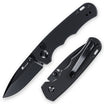

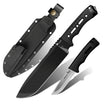


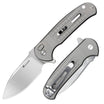
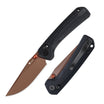
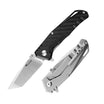


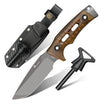
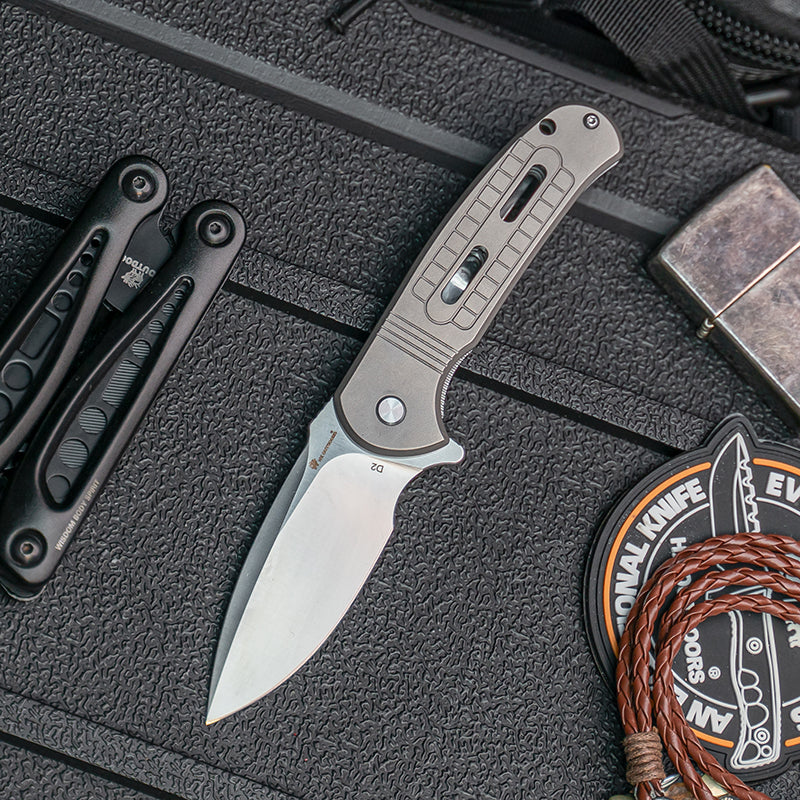
Whether you just unboxed your first pocket tool or you have a drawer full of steel, there’s one universal truth in the knife world: a neglected blade is a dull blade. We design these tools to be used, which means they’ll encounter cardboard, rope, food acids, pocket lint, and everyday grime. Over time, that buildup dulls the edge, promotes corrosion, and turns a reliable cutter into a frustrating scraper. Proper blade maintenance isn’t just about looks — it’s about performance, safety, and extending the life of your investment in quality steels like D2, 14C28N, or S35VN.
Our Experience at HX OUTDOORS
At HX OUTDOORS, every knife design goes through repeated cutting and durability tests before production. During product development, our team regularly tests blades on cardboard, rope, wood, and other common materials while monitoring edge retention, corrosion resistance, and ease of maintenance. One consistent finding is that regular cleaning and light lubrication can significantly extend a knife's cutting performance, especially for high-carbon tool steels such as D2 and Damascus. Even stainless steels like 14C28N and S35VN benefit from routine care, particularly after exposure to moisture or acidic materials.
1. The Philosophy of Blade Maintenance
Before we dive into the practical steps, we need to talk about why this matters. A knife blade is a precision cutting tool, often hardened to 58-62 HRC with carefully engineered geometry. When residue, moisture, or micro-damage accumulates, it accelerates wear, weakens the edge, and can even lead to chipping in tougher steels.
Blade maintenance shouldn’t be overwhelming or require professional tools. Think of it like brushing your teeth — consistent, quick habits prevent big problems later. A few minutes after use keeps your knife performing like new, whether you’re carrying a budget 5Cr15MoV or a premium S35VN folder.
2. Blade Maintenance 101: The Basic Cleaning Routine
The foundation of good blade care is regular cleaning. You don’t need to disassemble the knife every time, but staying on top of surface debris makes a huge difference.
-Use warm water and mild soap to wash away dirt, acids, or sticky residues.
-Wipe the blade thoroughly with a soft microfiber cloth, always stroking away from the edge.
-For stubborn spots, apply isopropyl alcohol on a cotton swab or cloth.
Noted: Pay special attention to the choil, spine, and any recesses where grime hides.
You’d be surprised how much invisible residue builds up after a day of cutting boxes or opening packages. A clean blade not only looks better but cuts more efficiently and resists corrosion far longer.
Lubrication: Less is More
Once the blade is clean and dry, it’s time for protection. Lubrication creates a barrier against moisture and reduces friction during sharpening or daily use.
The secret is moderation — too much oil attracts dust and turns into a gritty mess. Choose a lightweight, food-safe mineral oil or a dedicated knife lubricant.
-Apply a few drops along the blade flats and edge bevel.
-Spread it evenly with a clean cloth.
-Let it sit briefly, then wipe away excess.
This thin protective layer is especially important for non-stainless steels like D2 or Damascus, which benefit greatly from regular oiling. For stainless options like 14C28N or 5Cr15MoV, it still adds longevity in humid environments.
3. Sharpening and Edge Tuning
Even the best steels eventually need a touch-up. Regular maintenance sharpening keeps the edge in prime condition without removing too much material.
Use the right tools for your steel: water stones or ceramic rods for most, diamond sharpeners for high-wear-resistance steels like S35VN or DC53.
Maintain the original factory angle (usually 15-20° per side).
Use light, consistent strokes and check for a burr.
Finish with a leather strop for a polished, hair-popping edge.
Test sharpness on paper or arm hair — never on your fingers.
If your blade develops chips or rolls, address them early. Proper heat-treated steels respond beautifully to good sharpening technique and will hold that edge much longer.
4. Corrosion Prevention and Long-Term Care
The final key is protecting against rust and long-term degradation. Even “stainless” steels can develop spots in harsh conditions.
After every use — especially in wet, salty, or acidic environments — wipe the blade completely dry. For extra protection:
-Apply a light coat of knife oil or corrosion inhibitor.
-Store in a dry sheath or blade guard, away from humidity.
-Avoid dishwashers and prolonged exposure to moisture.
For Damascus blades, be extra diligent as the layered patterns can trap moisture. Consistency beats intensity: a quick wipe and oil after use will keep your blade performing at its best for years, whether it’s a tough D2 workhorse or a refined S35VN EDC.
Respect your blade, and it will stay sharp, safe, and reliable whenever you need it. A well-maintained knife isn’t just a tool — it’s a trusted companion.
In our own product testing, knives that are cleaned and lightly oiled after outdoor use consistently retain their appearance and cutting performance better than those left unmaintained for extended periods. This simple habit requires only a few minutes but can noticeably extend the service life of both carbon and stainless steel blades.
Q&A (Frequently Asked Questions)
Q1: How often should I clean and oil my knife?
A: Ideally after every significant use, or at least once a week for daily carry knives. A quick 2-minute wipe and oil is usually enough to prevent issues.
Q2: What’s the best lubricant for knife pivots and blades?
A: Lightweight mineral oil or dedicated knife oils (like those from Benchmade or KPL). Avoid WD-40 or heavy greases as they attract dirt over time.
Q3: Can I use a dishwasher to clean my knife?
A: No. Harsh detergents and heat can damage handles, loosen pivots, and accelerate corrosion even on stainless steels.
Q4: How do I know when it’s time to sharpen my blade?
A: If it struggles to cut paper cleanly or no longer shaves arm hair easily, it’s time for a touch-up. Regular light sharpening prevents major edge repair later.
Q5: Is rust inevitable on D2 or Damascus blades?
A: Not if maintained properly. Wipe dry after use and apply a light oil coating. These steels perform excellently with basic care.
Q6: Should beginners buy a sharpening system?
A: Yes — a simple guided system or quality whetstone set makes consistent results much easier. Practice on cheaper knives first before working on premium blades like S35VN.
Ready to upgrade your gear? Visit https://www.hxoutdoors.com/ for high-quality knives featuring reliable steels and designs built for easy maintenance and real-world performance.

Leave a comment
All comments are moderated before being published.
This site is protected by hCaptcha and the hCaptcha Privacy Policy and Terms of Service apply.