







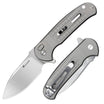
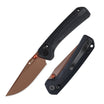
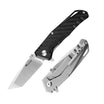


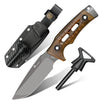
Our Experience at HX OUTDOORS
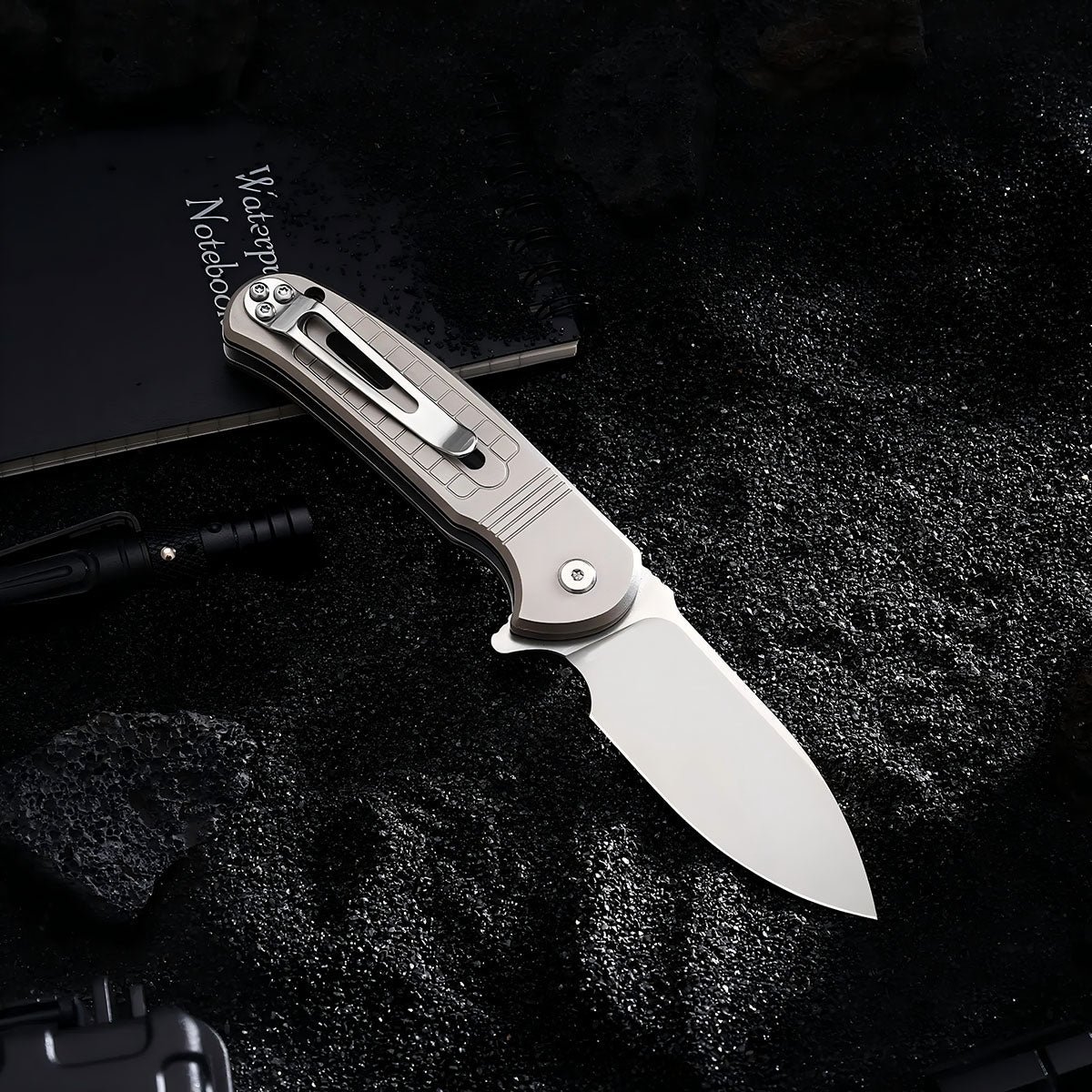
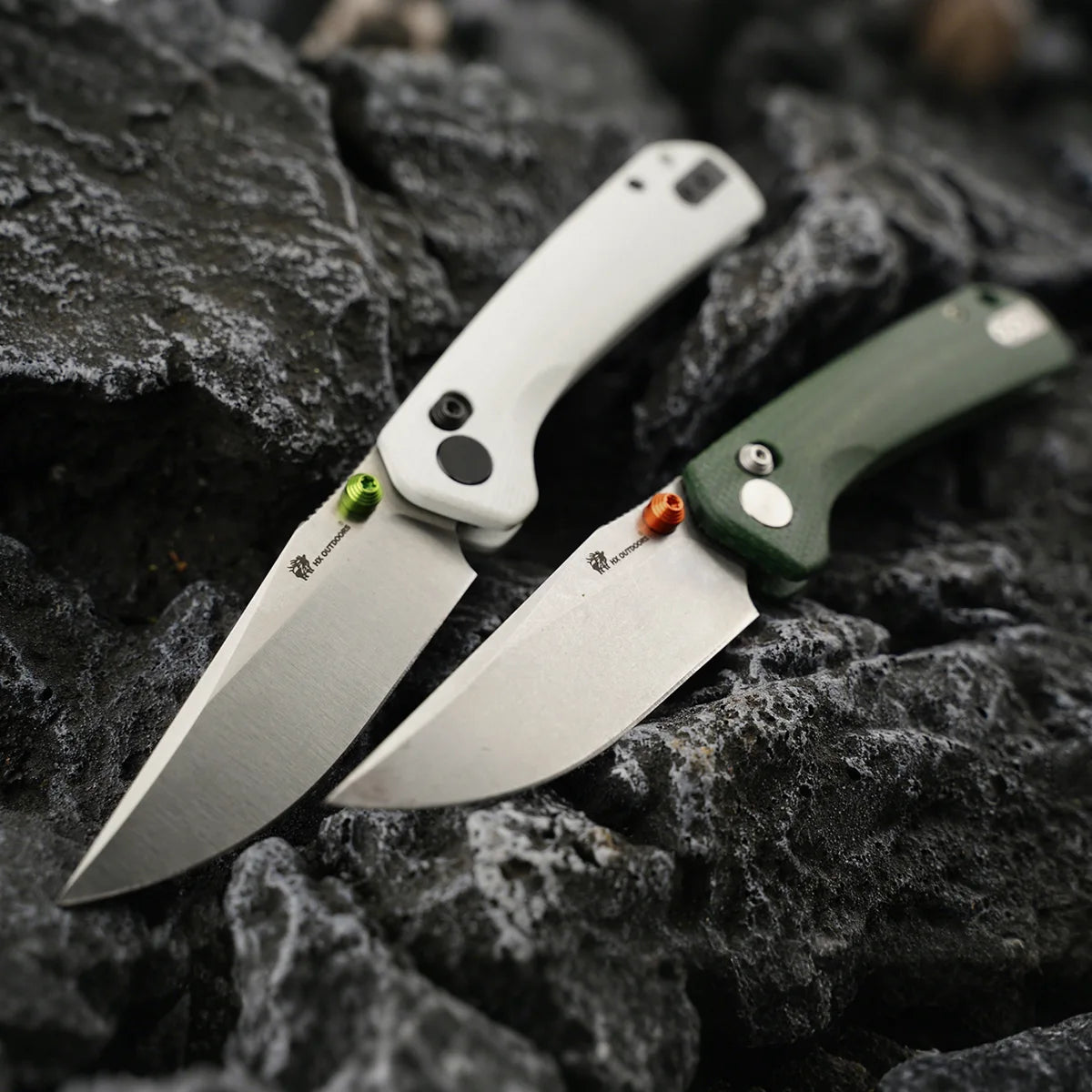
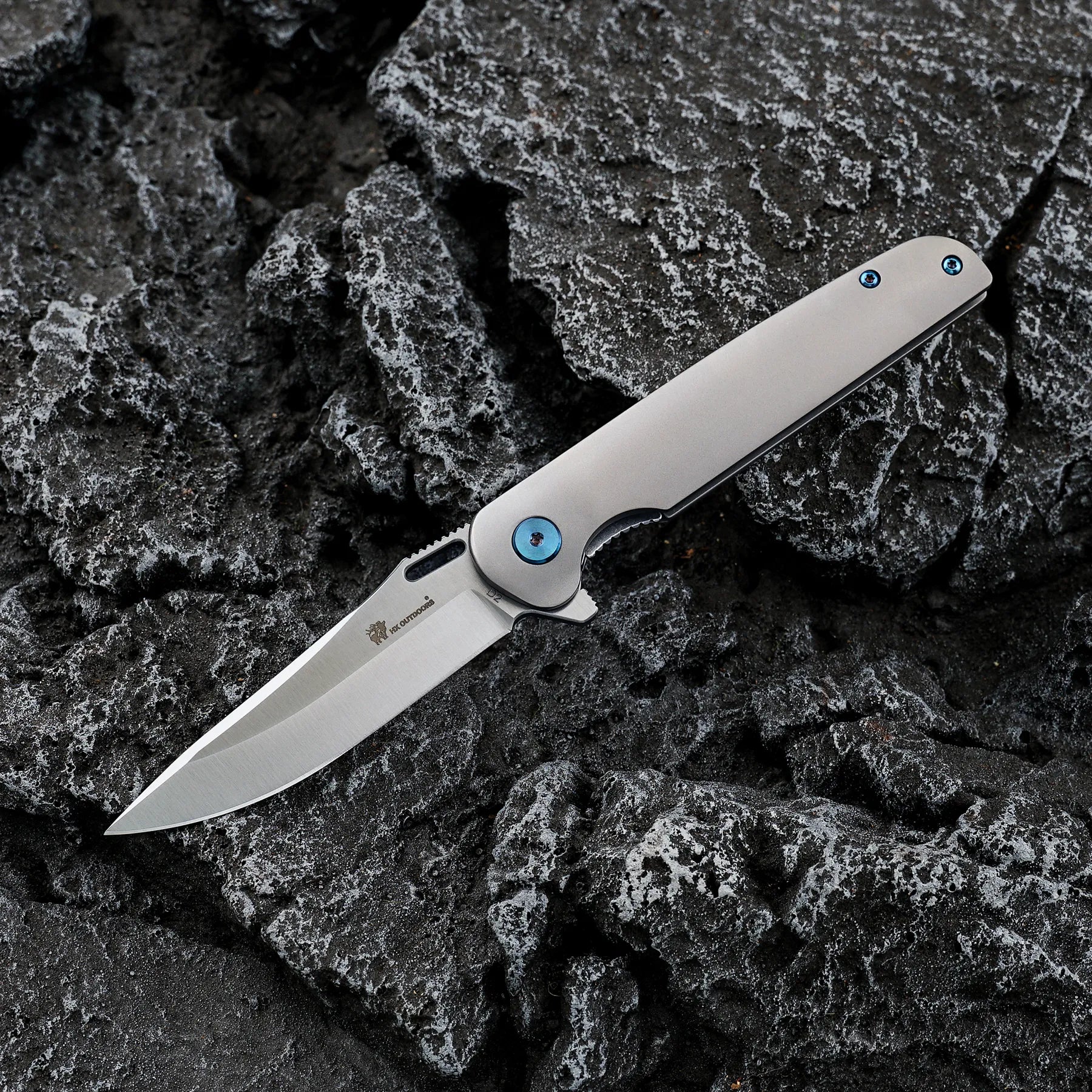
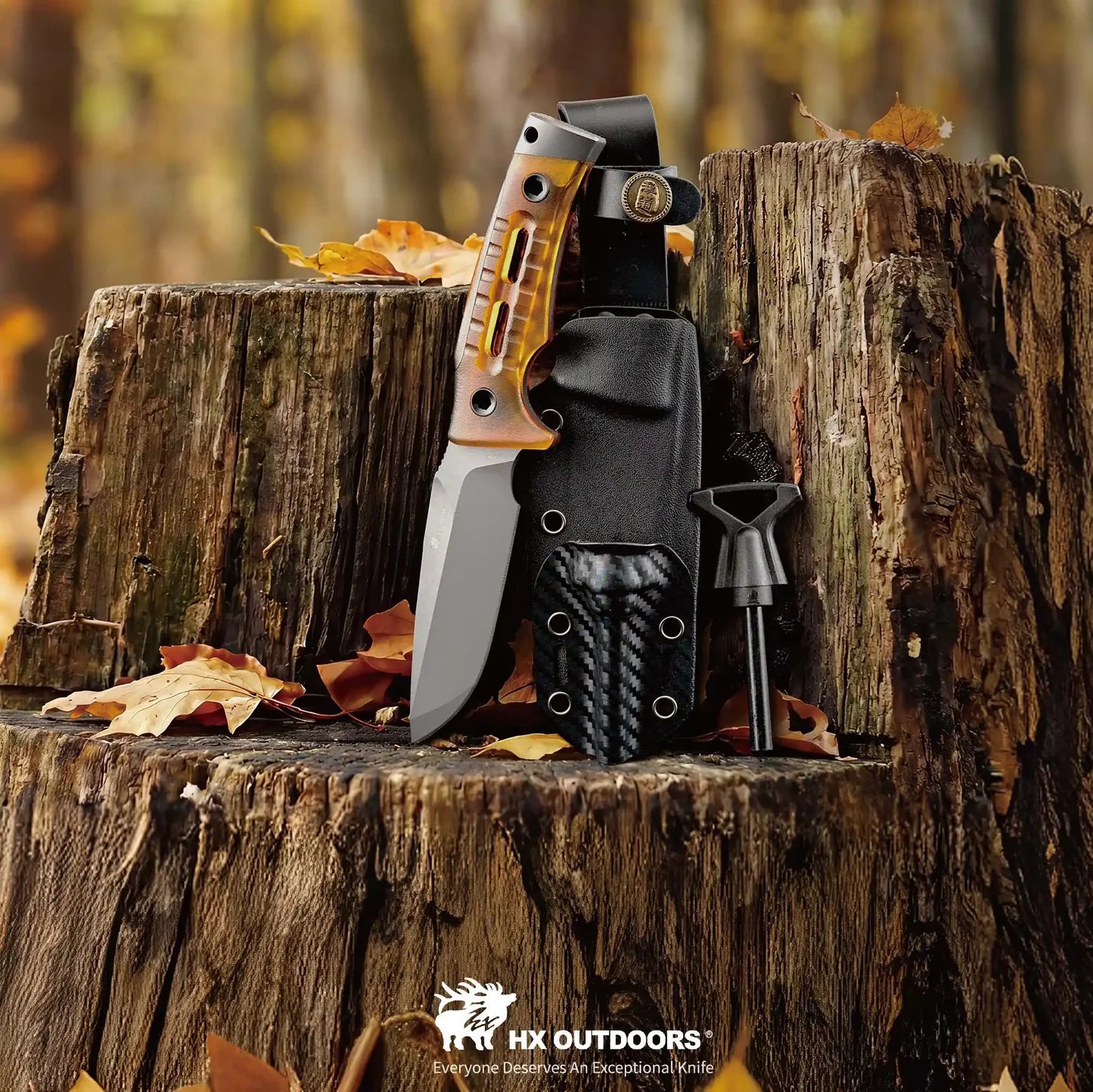
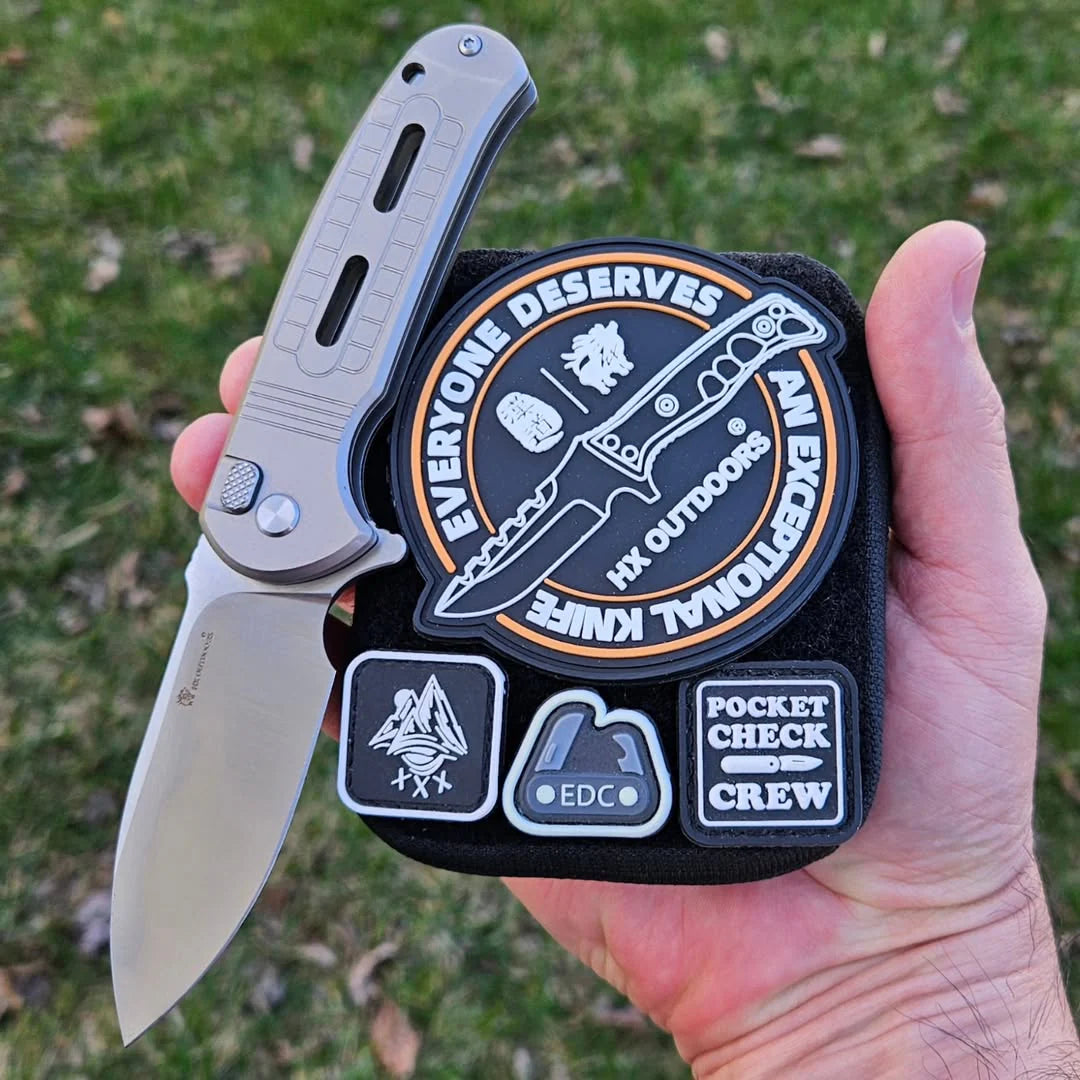
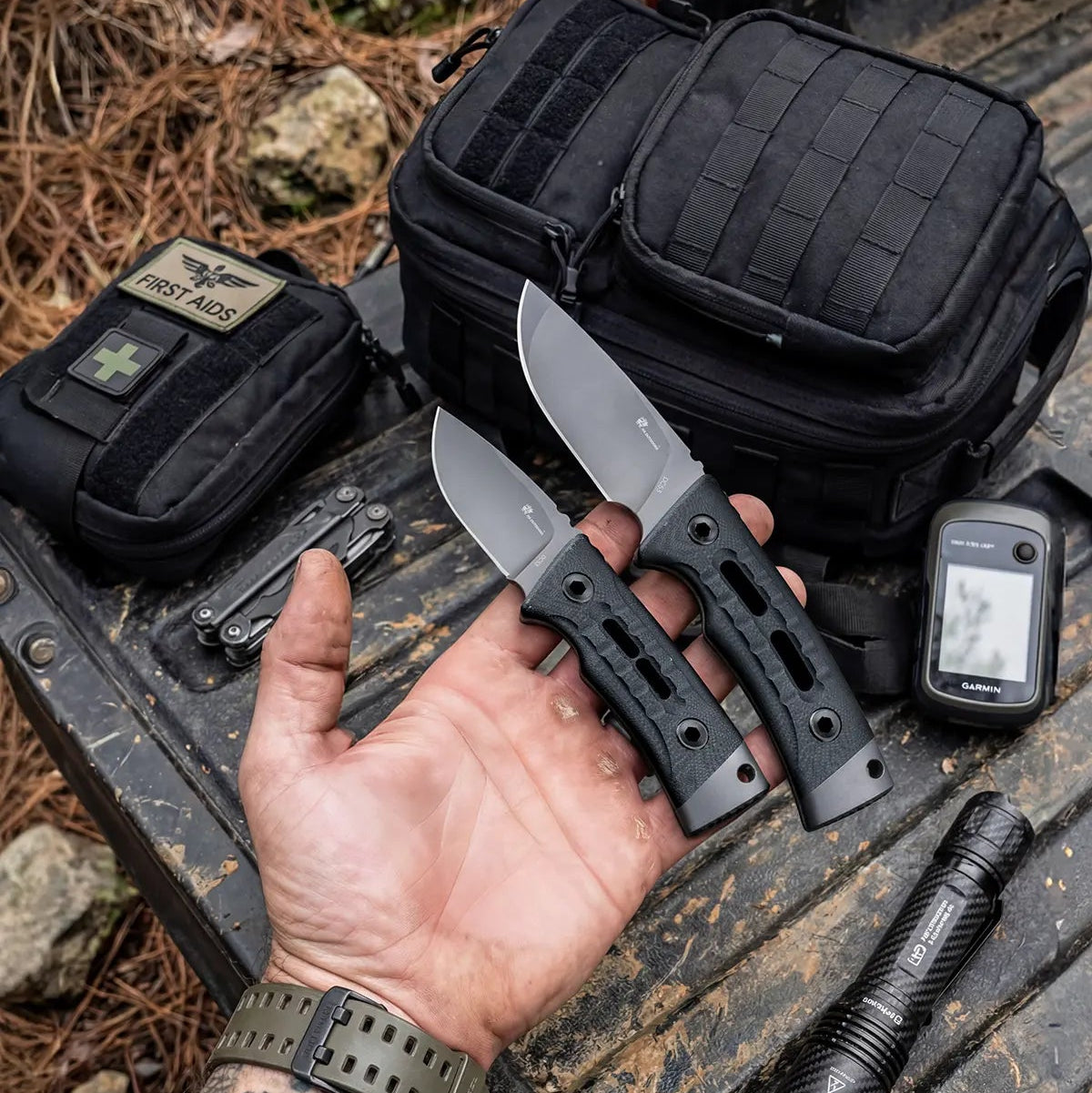
At HX OUTDOORS, we offer knives with a variety of handle materials and designs, including G10, Micarta, titanium, aluminum, and PEI. We understand that every knife enthusiast has different preferences when it comes to grip, appearance, weight, and everyday carry.
When choosing a knife, we recommend looking beyond the material name. Consider the handle's dimensions, shape, texture, and overall balance to find a design that fits your hand and intended use. Explore our knife handle collections to discover different styles and compare your options.
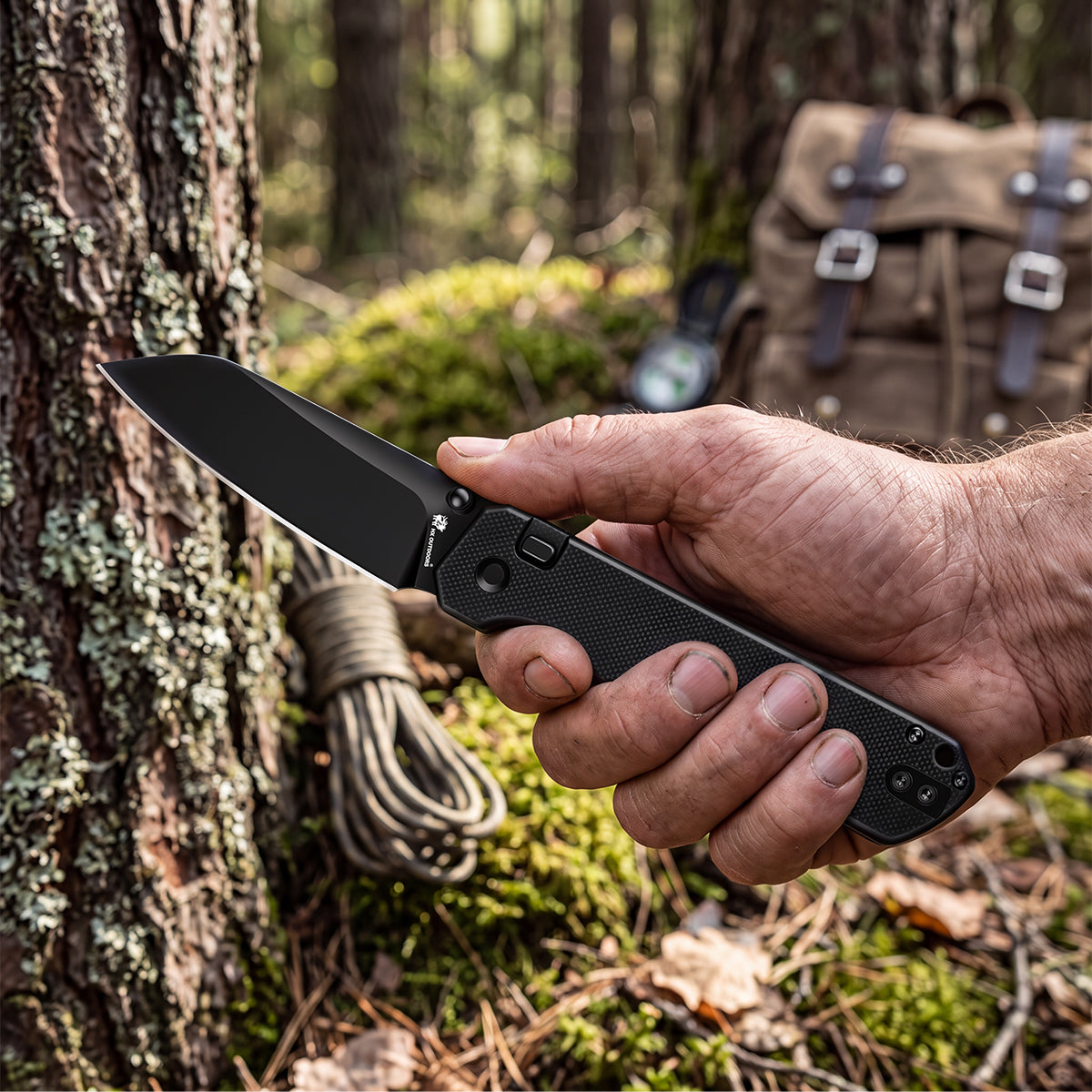
A well-designed handle can feel more natural in your hand, provide better control during appropriate tasks, and make a knife more comfortable to use. The right choice depends on your hand size, intended use, preferred grip, and the handle's overall design. Here are the key factors to consider when choosing a comfortable knife handle.
1. Handle Size and Hand Fit
A handle should give your hand enough room to establish a stable grip without forcing your fingers into an uncomfortable position.
A handle that is too short may leave your fingers crowded. One that is too large may make precise movements feel awkward.
When evaluating handle size, consider:
-
Length: Is there enough room for your fingers to rest naturally?
-
Width: Does the handle feel balanced rather than bulky?
-
Thickness: Does it fit your hand without creating pressure points?
-
Shape: Are the edges and contours comfortable during a normal grip?
Whenever possible, handle the knife in person before buying it. Product dimensions and photographs are helpful, but they cannot fully show how a handle will feel in your hand.
2. Texture and Grip
Handle texture affects how a knife feels and how securely you can hold it under normal conditions.
A smooth handle may feel comfortable in everyday use and slide easily into a pocket. A more textured handle may offer additional traction, but aggressive texturing can create discomfort during extended use or rub against clothing.
Look for a balance between comfort and control.
Consider the tasks you expect to perform, the type of gloves you may wear, and whether the handle texture is suitable for your intended environment.
Remember that no handle texture makes a knife completely slip-proof. Keep your hands and handle clean, and avoid using a knife when your grip is compromised.
3. Handle Shape and Ergonomics
Ergonomics describes how well a product fits the person using it. On a knife, this includes the handle's contours, finger clearance, edges, and overall balance.
A comfortable handle should not require you to squeeze excessively or bend your wrist into an unnatural position.
Pay attention to:
-
Rounded or softened edges that reduce uncomfortable pressure.
-
Contours that suit your natural hand position.
-
Adequate clearance for your fingers.
-
A shape that allows a controlled grip without awkward adjustments.
Deep grooves and pronounced finger contours can work well for some hands but feel restrictive for others. Simpler handle shapes may offer more flexibility across different grip styles
4. Handle Material Is Only Part of the Story
Different handle materials have different characteristics, but material alone does not determine comfort.
-
G10 – A composite material available in a variety of colors, textures, and finishes.
-
Micarta – Known for its distinctive appearance and range of surface finishes.
-
Titanium – A metal option often chosen for its clean appearance and lightweight design potential.
-
Aluminum – Offers versatile styling options and can be used in slim, modern handle designs.
-
PEI – An engineering thermoplastic used in some distinctive knife handle designs.
-
Other Handle Materials – Explore additional materials and handle styles.
5. Weight and Balance
A knife's handle contributes to its overall balance. A design that feels comfortable in one person's hand may feel too heavy, too light, or unevenly balanced to someone else.
For everyday carry, consider the knife's total weight and how it feels when held in a normal grip.
For outdoor use, think about the tasks you expect to perform and whether the handle provides comfortable control without unnecessary bulk.
Weight and balance are personal preferences, so compare the knife's published specifications with your own needs.
6. Comfort During Extended Use
A handle that feels good for a few seconds may not remain comfortable during a longer task.
Look for potential pressure points around the palm and fingers. Pay attention to sharp edges, overly aggressive texture, or contours that force your hand into a narrow position.
For tasks that require repeated cutting, use an appropriate tool, take breaks when needed, and stop if you experience discomfort.
Never test handle comfort by performing unsafe cutting tasks or applying excessive force.
7. How to Evaluate a Knife Handle Before Buying
Use this simple checklist when comparing knives:
-
Does the handle size suit your hand?
-
Can you hold it naturally without squeezing too hard?
-
Is the texture comfortable and appropriate for your intended use?
-
Do the edges or contours create pressure points?
-
Is the overall weight suitable for your carry preferences?
-
Does the knife's design provide adequate finger clearance and secure handling?
-
Are the dimensions and materials clearly listed by the manufacturer?
If you are shopping online, review the handle length, width, thickness, material, and product photographs. These details can help you narrow your options before making a purchase.
Choosing the right knife handle comes down to finding the right balance of comfort, grip, size, and design. Whether you prefer G10, Micarta, titanium, aluminum, or PEI, consider how the handle fits your hand and suits your everyday needs.
Q&A: Choosing the Right Knife Handle
1. What is the best material for a knife handle?
It depends on your preferences, intended use, and desired balance of comfort, texture, and weight.
2. Is G10 or Micarta better?
Both have unique characteristics. Handle texture, shape, and finish all affect comfort and grip.
3. Does handle texture affect grip?
Yes. Textured handles may provide more traction, while smoother finishes may feel more comfortable to some users.
4. How do I choose the right handle size?
Consider the handle's length, width, thickness, and shape to find a comfortable fit for your hand.
5. Are lightweight handles better for EDC?
Lightweight handles can reduce carry weight, but overall balance and comfort matter too.
Explore the range of HX OUTDOORS knives and compare handle designs, materials, and dimensions to find the style that works for you.

Leave a comment
All comments are moderated before being published.
This site is protected by hCaptcha and the hCaptcha Privacy Policy and Terms of Service apply.