

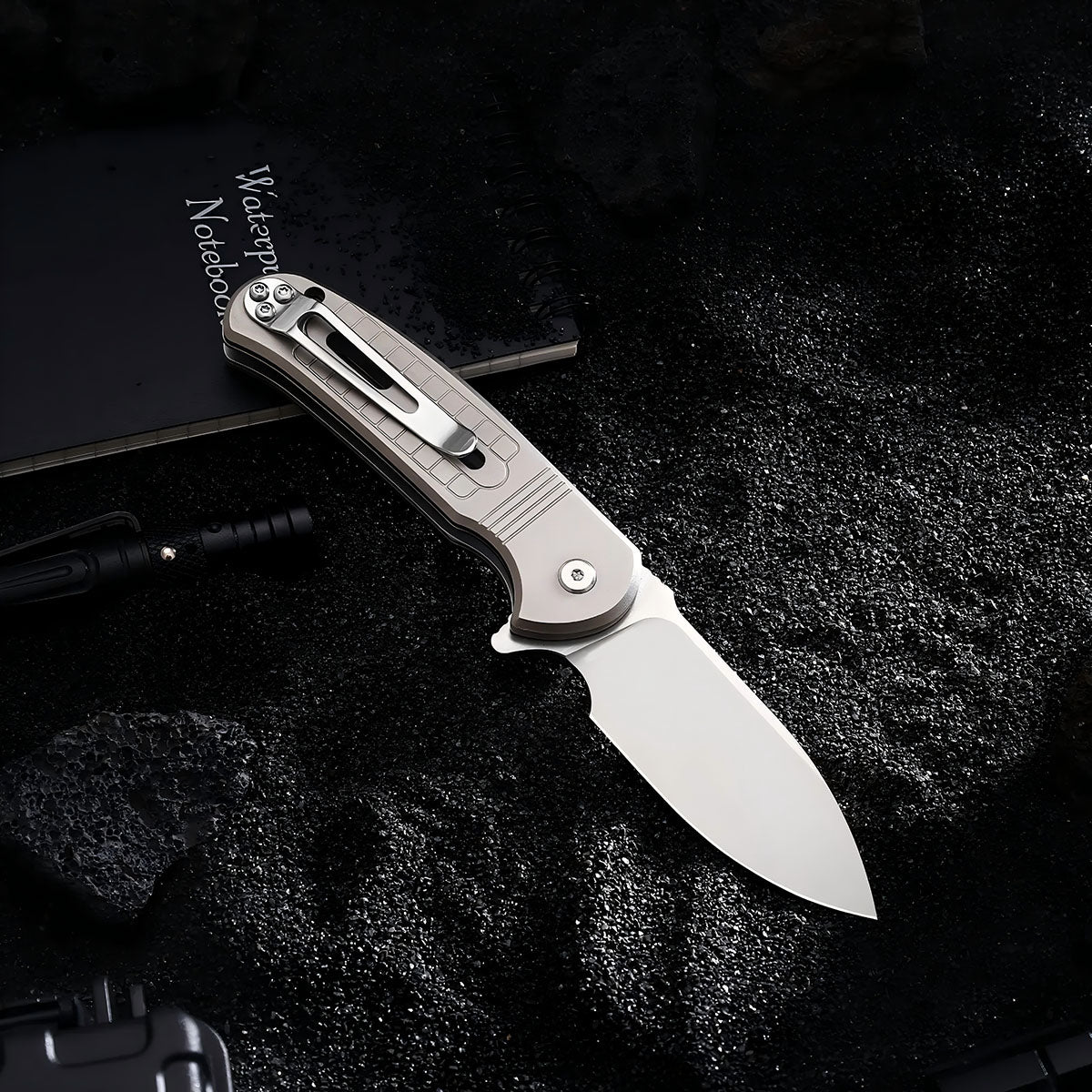
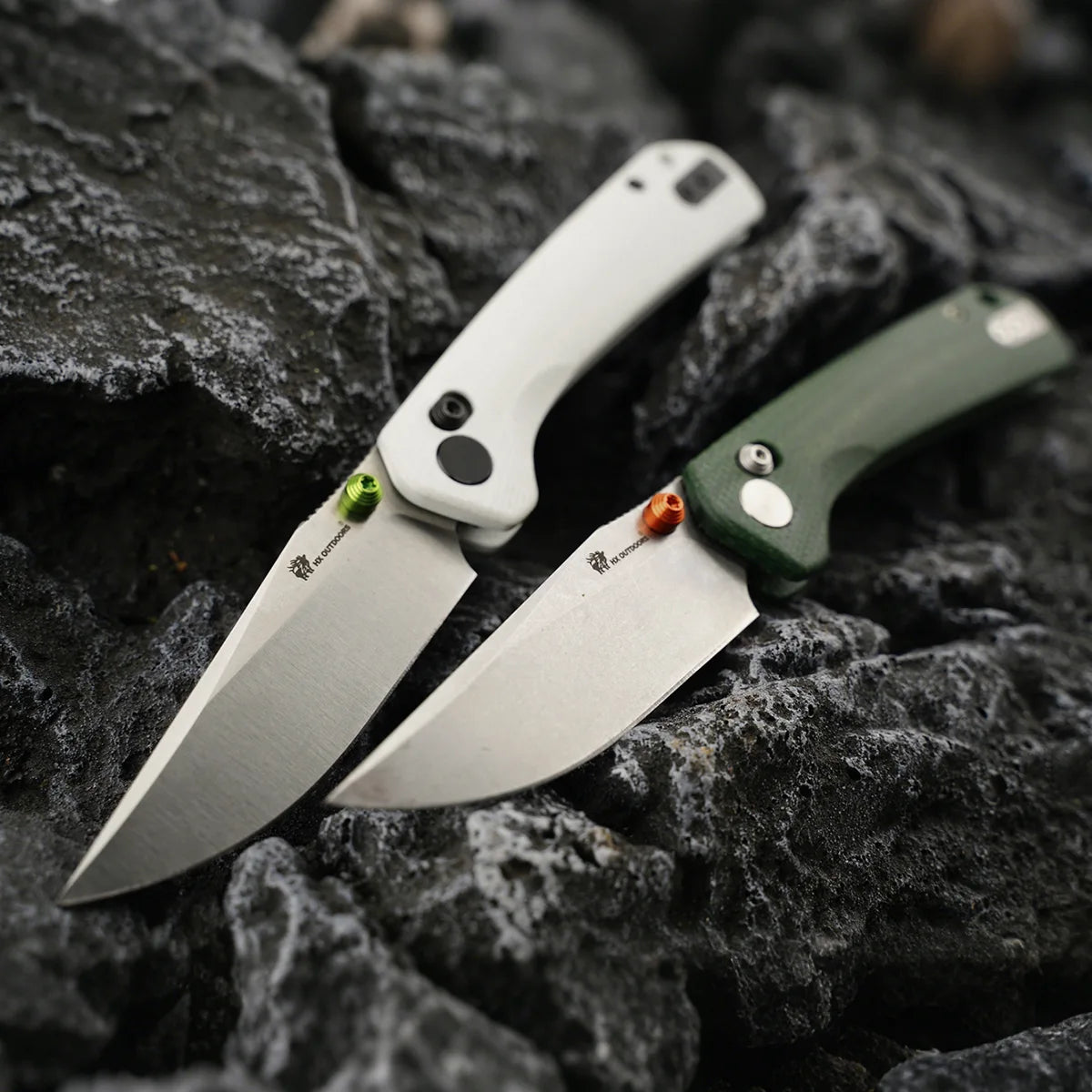
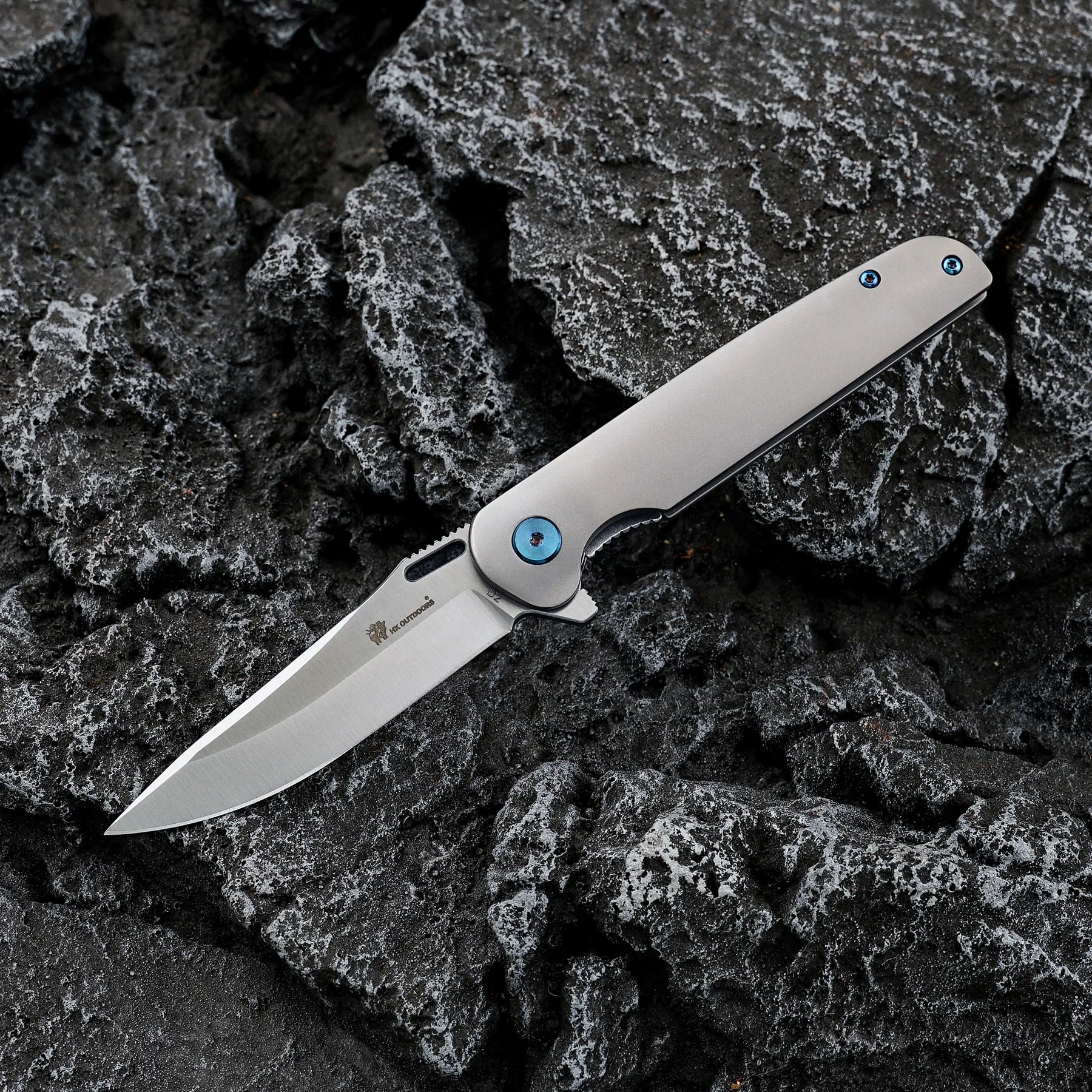
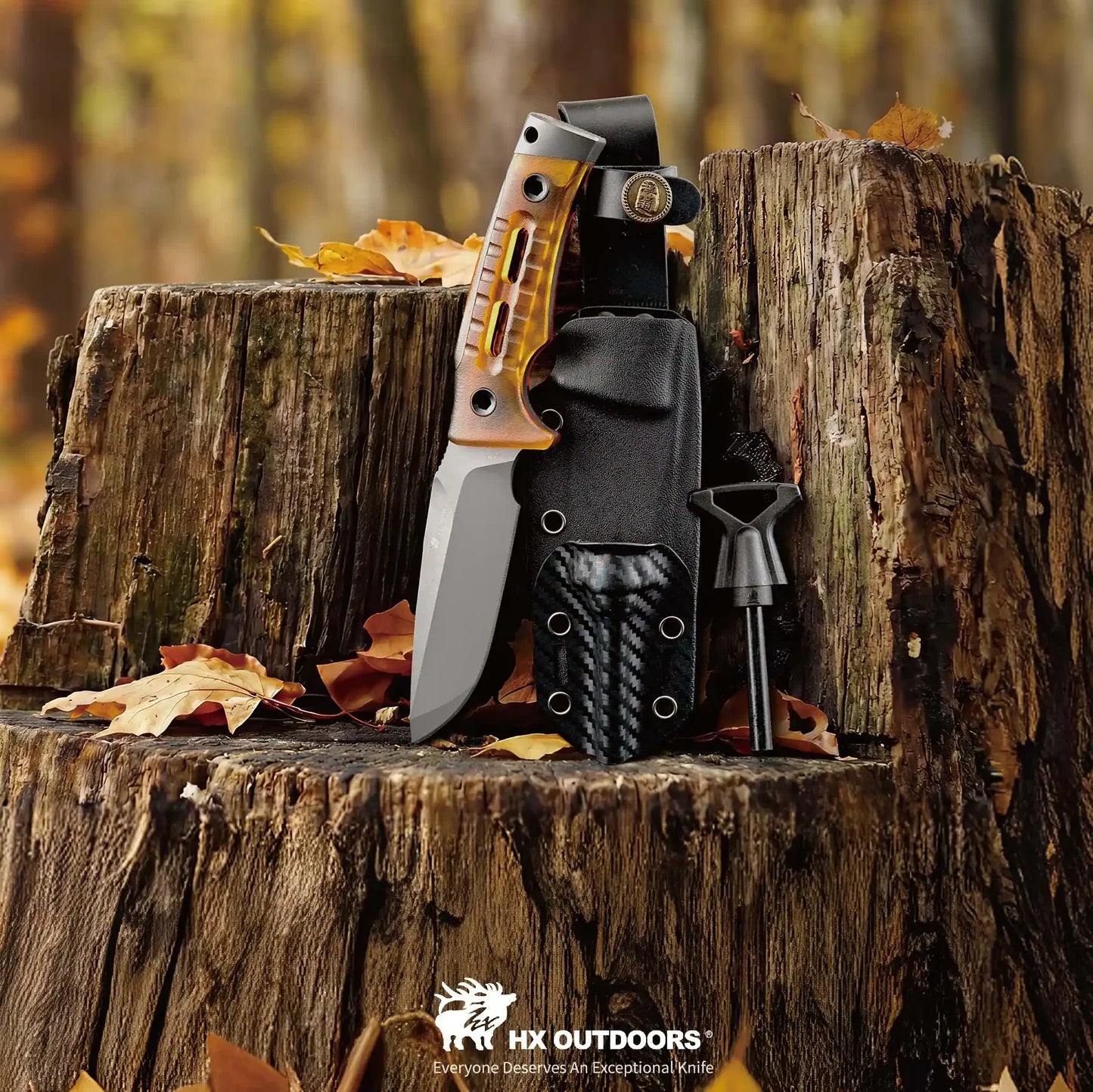



When researching knife steels, outdoor enthusiasts and collectors often find themselves comparing two critical performance metrics: Toughness and Corrosion Resistance.
At first glance, both seem to deal with how “resilient” a blade is. However, they measure entirely different physical and chemical properties. Confusing the two can lead to buying a blade that chips easily under heavy impact or rusts the moment it encounters humidity.
To understand how these traits interact, let’s examine how popular blade steels balance these characteristics.
How Popular Steels Stack Up
Take D2, DC53, and 14C28N for example:
Edge Retention – ⭐ 8.5
Toughness – 4
Ease of Sharpening – 4
Corrosion Resistance – 4.5
Edge Retention – ⭐ 8
Toughness – 🔋 7.5
Ease of Sharpening – 5
Corrosion Resistance – 4
Edge Retention – 5.5
Toughness – 🔋 8
Ease of Sharpening – 🔪 8.5
Corrosion Resistance – 💧 8.5
⚪ Others (High-Carbon/Budget Alloys): Typically trade away corrosion resistance or toughness to maximize cutting longevity or affordability.
Comparing tool steels like D2 and DC53 with stainless options like 14C28N highlights a fundamental metallurgical compromise: maximizing wear resistance and impact strength simultaneously requires complex alloy engineering.
Toughness vs. Corrosion Resistance: Defined
To choose the right blade for your needs, you must understand what these terms actually mean in real-world applications.
1. What is Blade Toughness?
Toughness is a steel’s ability to absorb kinetic shock and resist structural failure. It measures how much heavy impact force a blade can withstand before it chips, snaps, or rolls during demanding tasks like batoning wood, chopping, or prying.
Example: DC53 is specifically engineered to offer significantly higher toughness than standard D2, making it much less prone to chipping under heavy lateral stress.
2. What is Corrosion Resistance?
Corrosion Resistance is a chemical metric. It measures how effectively a steel alloy repels oxidation, rust, and chemical degradation when exposed to moisture, humidity, salt, or acidic foods.
Example: 14C28N contains a high level of free chromium, allowing it to form a passive oxide layer that resists rust even in wet, outdoor environments.

Why They Are Often Confused (And Why They Aren’t The Same)
Many buyers assume that a “strong” steel is automatically rust-proof. Unfortunately, metallurgy rarely works that way.
-
The Microstructure Trade-off: High-alloy tool steels like D2 rely on large carbides for exceptional wear resistance and edge retention. However, these same carbides can create internal stress points, lowering overall toughness and leaving the steel vulnerable to pitting if moisture breaches the surface.
-
Physical vs. Chemical Forces: Toughness deals with mechanical stress (physical blows and bending), while corrosion resistance deals with chemical reactions (rust and oxidation).
In short: Toughness measures how long a blade survives a physical impact; corrosion resistance measures how well it survives chemical decay.
🧰 How Maintenance and Care Shift the Equation
Even if a steel’s inherent ratings are set in stone, real-world performance heavily depends on proper maintenance:
-
For High-Corrosion-Resistance Steels (e.g.,
14C28N): Routine cleaning and washing are usually all that’s required to keep rust away.
 Our Experience at HX OUTDOORS
In Our HX OUTDOORS, we spend countless hours testing, designing, and putting blades through the ultimate tests in the field. Whether we are crafting heavy-duty survival knives or sleek everyday carry (EDC) tools, understanding the delicate balance between toughness and corrosion resistance is at the heart of everything we do.
Frequently Asked Questions (Q&A)
Q1: Can a knife steel achieve both maximum toughness and maximum corrosion resistance?
A: In practical metallurgy, there is always a trade-off. While modern advancements (such as DC53 for enhanced toughness or 14C28N for stainless balance) have bridged the gap, achieving a top-tier rating in both categories remains a massive challenge due to how carbon, chromium, and iron alloys interact.
Q2: Which metric is more important for a survival or bushcraft knife?
A: It depends entirely on your climate.
If you are processing wood and building shelters in dry conditions, toughness (found in steels like DC53) is paramount.
If you operate in wet, coastal, or jungle environments where food prep and humidity are constant, corrosion resistance (like 14C28N) becomes the priority.
Q3: Does blade coating solve the low corrosion resistance of tool steels like D2?
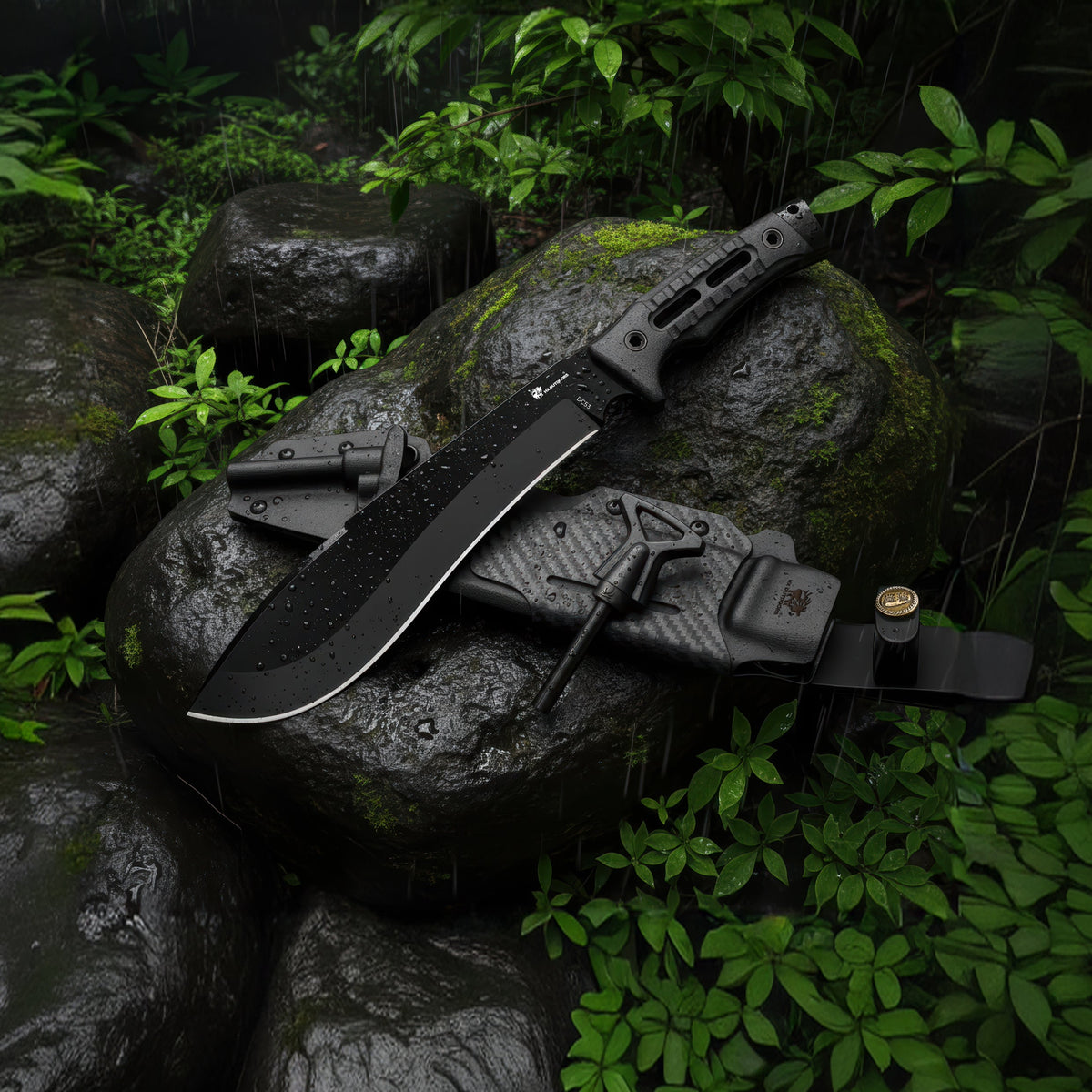
A: Yes! Many tactical and outdoor fixed blades use a protective finish like Cerakote, powder coating, or DLC (Diamond-Like Carbon). This artificial barrier shields the reactive steel underneath from moisture, effectively compensating for low inherent corrosion resistance—though the un-coated edge bevel will still require occasional oiling.
We believe that choosing the right steel shouldn’t be a guessing game—it’s about matching the blade’s alloy profile to your exact adventure. To explore our collection of high-performance outdoor blades and find your next trusted companion, visit us at https://www.hxoutdoors.com/collections/fixed-blades.

Leave a comment
All comments are moderated before being published.
This site is protected by hCaptcha and the hCaptcha Privacy Policy and Terms of Service apply.