



![[Exhibition Mystery Box] Shovel Edition - Display Sample](http://www.hxoutdoors.com/cdn/shop/files/8_d9080f6d-2af4-41f4-9361-46d53572e868.jpg?v=1787622405&width=104)
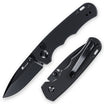

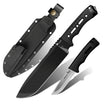
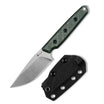

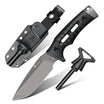

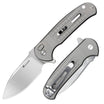
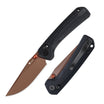
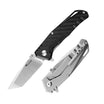


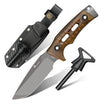
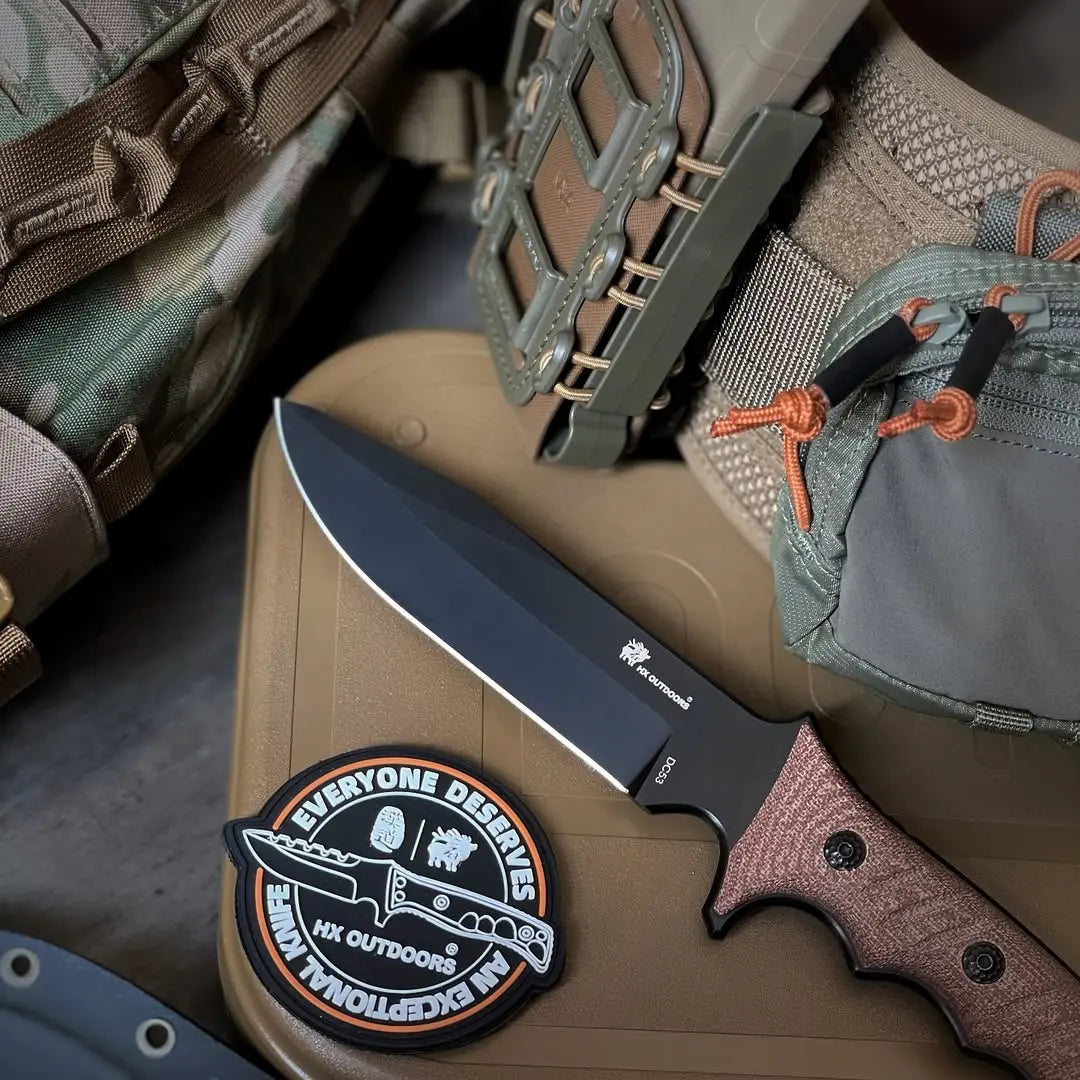
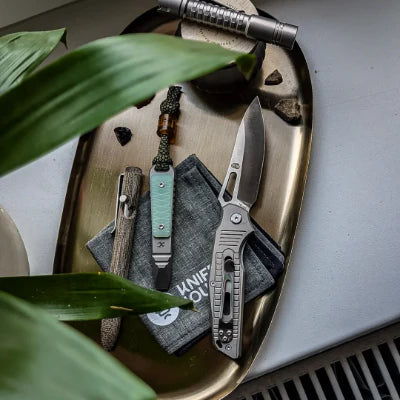
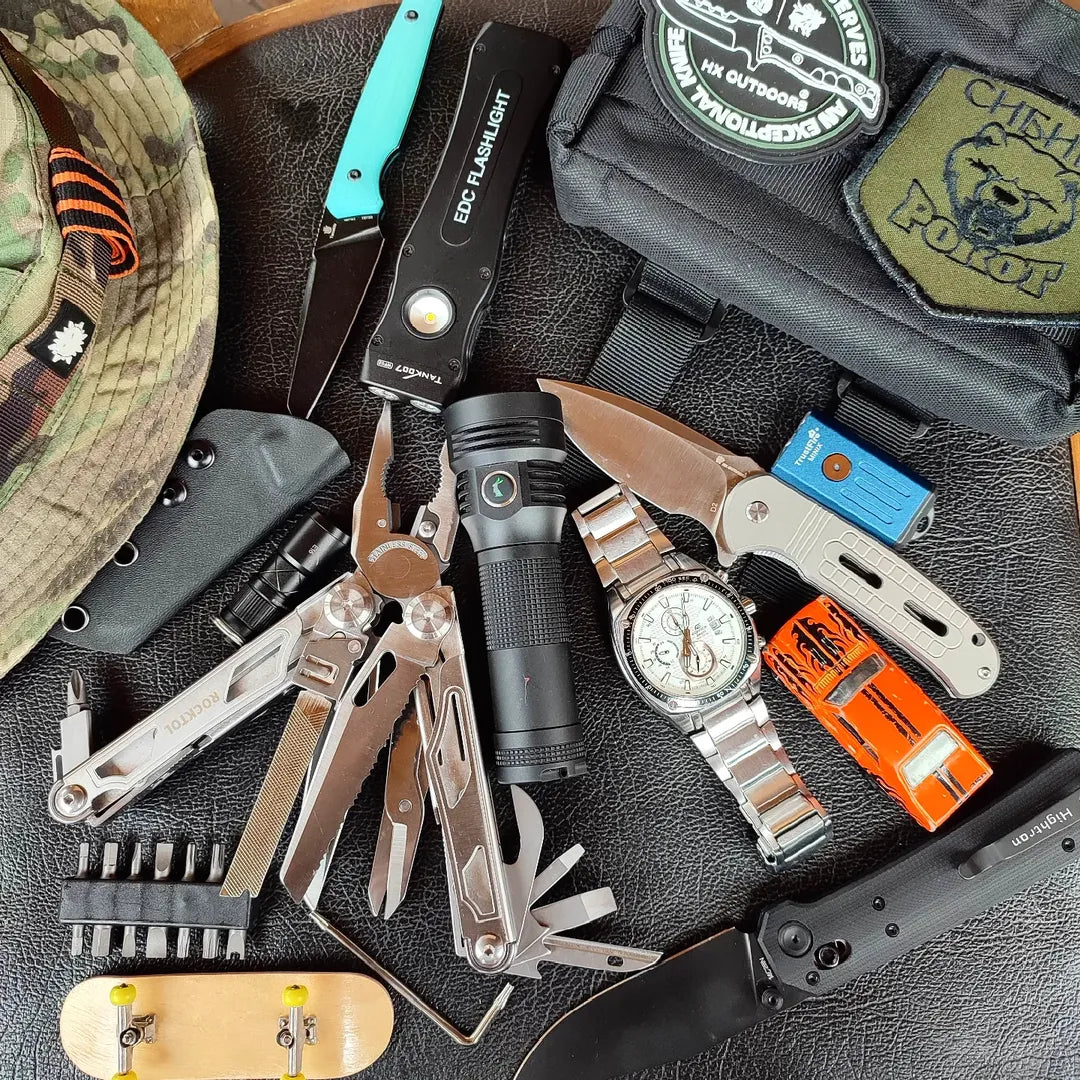
Whether you're carrying a compact everyday carry (EDC) knife or a full-size outdoor fixed blade, choosing the right carry method is just as important as choosing the knife itself. A good carry setup improves comfort, accessibility, safety, and overall usability, while the wrong setup can make even the best knife frustrating to use.
This guide explains the most practical fixed blade carry methods, when to use them, and how to choose the best option based on your daily activities, outdoor adventures, or work environment.
Our Experience at HX OUTDOORS
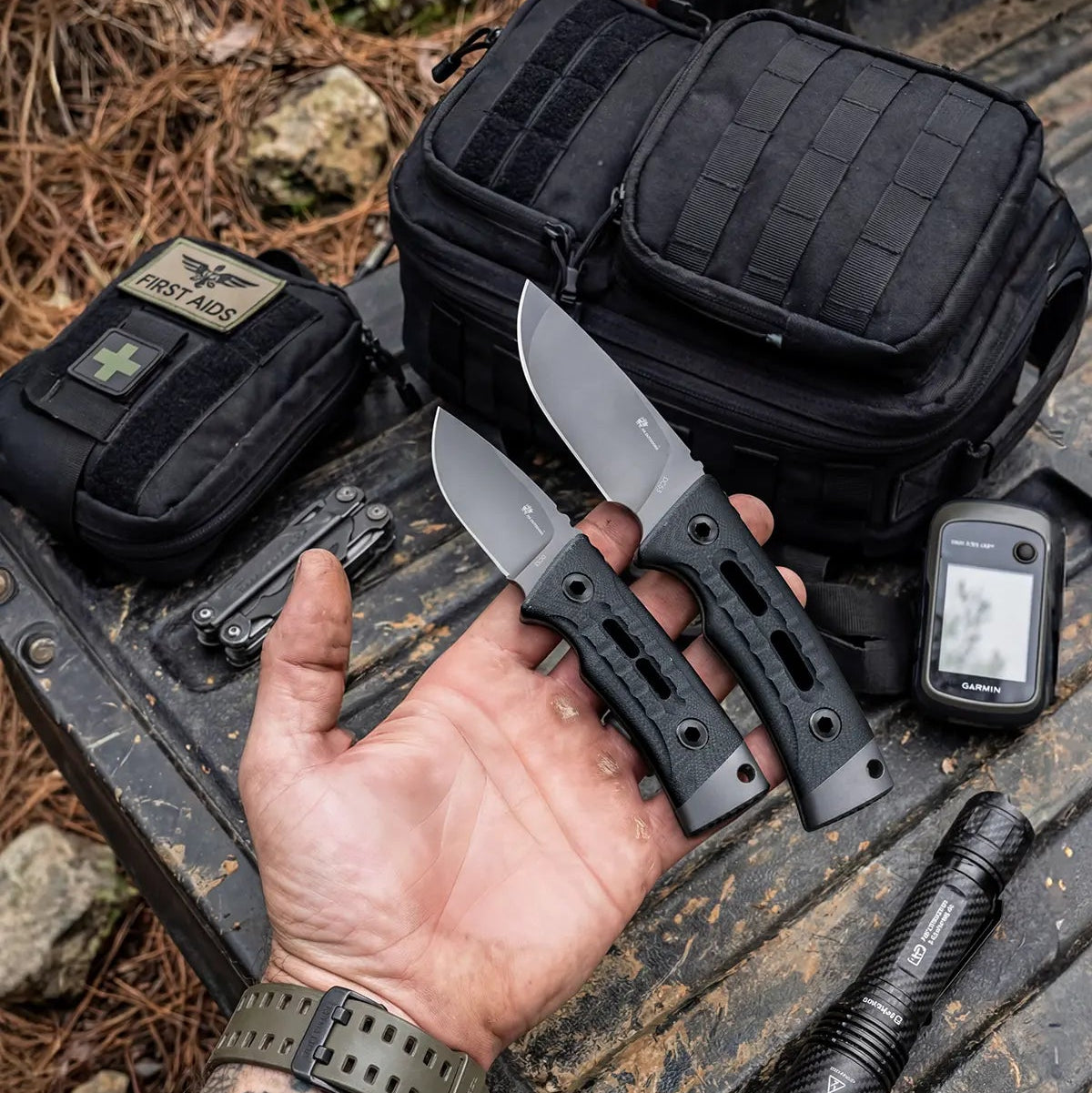
At HX OUTDOORS, every fixed blade is evaluated with its sheath and carry system during product development. We test different carry positions—including vertical belt carry, scout carry, neck carry, and backpack carry—to evaluate comfort, retention, accessibility, and long-term durability in real-world conditions such as hiking, camping, warehouse work, and general outdoor use.
One thing we've consistently learned through field testing and customer feedback is that there is no single "best" carry method. The ideal setup depends on the size of the knife, the user's daily activities, clothing, and the environment in which the knife will be used.
Why Carry Method Matters
A fixed blade is stronger and more reliable than a folding knife, but it is also larger and less forgiving if carried incorrectly.
A proper carry method should provide:
-
Secure knife retention
-
Comfortable all-day carry
-
Fast and natural access
-
Minimal interference while walking, sitting, or climbing
-
Safe blade orientation
The right sheath and mounting position can dramatically improve your overall experience while reducing unnecessary movement and wear.
Everyday Carry (EDC) Methods
For everyday carry, comfort and convenience are the priorities.
Standard Belt Carry

The classic vertical belt position remains one of the most popular carry methods. It keeps the knife secure, easy to access, and comfortable for walking.
Best for:
-
Daily utility
-
General outdoor work
-
Small to medium fixed blades
Pocket Carry

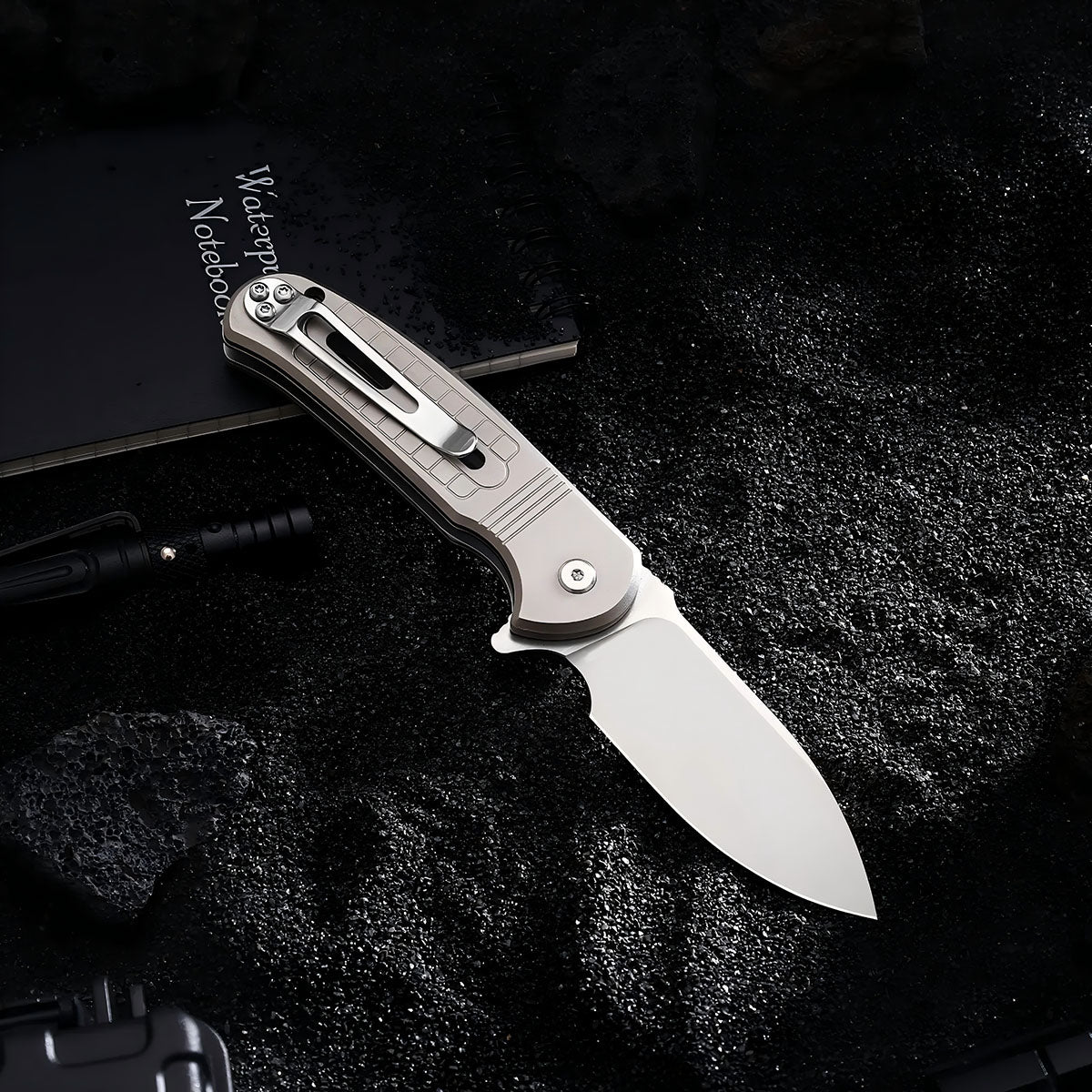
Compact fixed blades equipped with pocket clips combine the strength of a fixed blade with the convenience of a folding knife.
Best for:
-
Urban EDC
-
Office environments
-
Lightweight utility knives
Scout Carry

Scout carry mounts the knife horizontally across the back of the belt.
Advantages include:
-
Comfortable while hiking
-
Easy to conceal under clothing
-
Doesn't interfere with sitting or backpack straps
It works especially well with compact to medium-sized fixed blades.
Outdoor Carry
Outdoor activities often require larger knives and longer periods of movement.
Dangler Carry
Popular among bushcrafters and campers.
Because the knife hangs slightly below the belt, it naturally moves with your body when crouching, climbing, or sitting around camp.
Ideal for:
-
Bushcraft
-
Camping
-
Firewood processing
Backpack Strap Carry
Attaching the sheath directly to your backpack shoulder strap provides immediate access without removing your pack.
Perfect for:
-
Hiking
-
Backpacking
-
Trail maintenance
Cross Draw Carry
Large outdoor knives are often easier to draw across the body than directly upward.
Cross draw offers better leverage for longer blades while remaining comfortable during extended hikes.
Concealed Carry
Some users prefer discreet carry for work or everyday convenience.
Inside-the-Waistband (IWB)
IWB carry places the knife between the waistband and the body using a slim sheath and sturdy clip.
Advantages:
-
Excellent concealment
-
Comfortable with smaller knives
-
Accessible while standing
Choose a sheath with strong retention to prevent accidental movement.
Neck Carry
Neck carry is designed for lightweight fixed blades.
It offers:
-
Quick accessibility
-
Independence from belts
-
Convenient carry during outdoor activities
Neck knives should always be lightweight and secured with a high-retention sheath.
Specialized Carry Methods
Certain carry styles are designed for specific professional or outdoor situations rather than everyday use.
These include:
-
Leg Strap Carry
-
Drop-Leg Carry
-
Cant (angled carry)
-
Shoulder Harness Carry
These methods are commonly chosen by hunters, search-and-rescue personnel, military users, or individuals carrying larger fixed blades for extended outdoor work.
For most everyday users, standard belt carry or scout carry remains the more practical option.
Fixed Blade Carry Comparison
| Carry Method | Comfort | Accessibility | Concealment | Best Use |
|---|---|---|---|---|
| Standard Belt | ★★★★★ | ★★★★★ | ★★☆☆☆ | Everyday Carry |
| Pocket Carry | ★★★★★ | ★★★★☆ | ★★★★★ | Urban EDC |
| Scout Carry | ★★★★☆ | ★★★★☆ | ★★★☆☆ | Hiking & Camping |
| Dangler | ★★★★☆ | ★★★★☆ | ★☆☆☆☆ | Bushcraft |
| Backpack Strap | ★★★★☆ | ★★★★☆ | ★☆☆☆☆ | Hiking |
| IWB | ★★★★☆ | ★★★★☆ | ★★★★★ | Concealed Carry |
| Neck Carry | ★★★☆☆ | ★★★★★ | ★★★★☆ | Lightweight Backup |
Choosing the Right Carry Method
The best carry method depends on how you actually use your knife.
Choose Standard Belt Carry if:
-
You use your knife daily
-
You carry medium-sized blades
-
Comfort is your priority
Choose Scout Carry if:
-
You spend time hiking
-
You frequently sit or wear backpacks
-
You want better concealment
Choose Pocket Carry if:
-
You carry compact fixed blades
-
You work in urban environments
-
You prefer minimalist EDC
Choose Dangler Carry if:
-
You camp regularly
-
You process wood
-
You spend hours outdoors
No single method is perfect for everyone. Matching your carry style to your daily routine will always provide the best results.
Know Your Local Knife Laws
Knife laws vary significantly between countries, states, and municipalities.
Before carrying any fixed blade, consider:
-
Blade length restrictions
-
Open carry vs. concealed carry regulations
-
Restrictions in public buildings or workplaces
-
Local hunting or outdoor regulations
Always verify applicable laws before carrying a knife in public.
Frequently Asked Questions
Which fixed blade carry method is best for beginners?
Standard belt carry is the easiest and most comfortable option for most users.
Is scout carry comfortable?
Yes. Scout carry is particularly comfortable while driving, hiking, or wearing a backpack.
Can I carry a fixed blade in my pocket?
Yes, if the knife is compact and paired with a dedicated pocket sheath featuring a secure clip.
Which carry method is best for hiking?
Scout carry, dangler carry, and backpack strap carry are among the most popular choices for outdoor activities.
Which sheath material offers the most versatility?
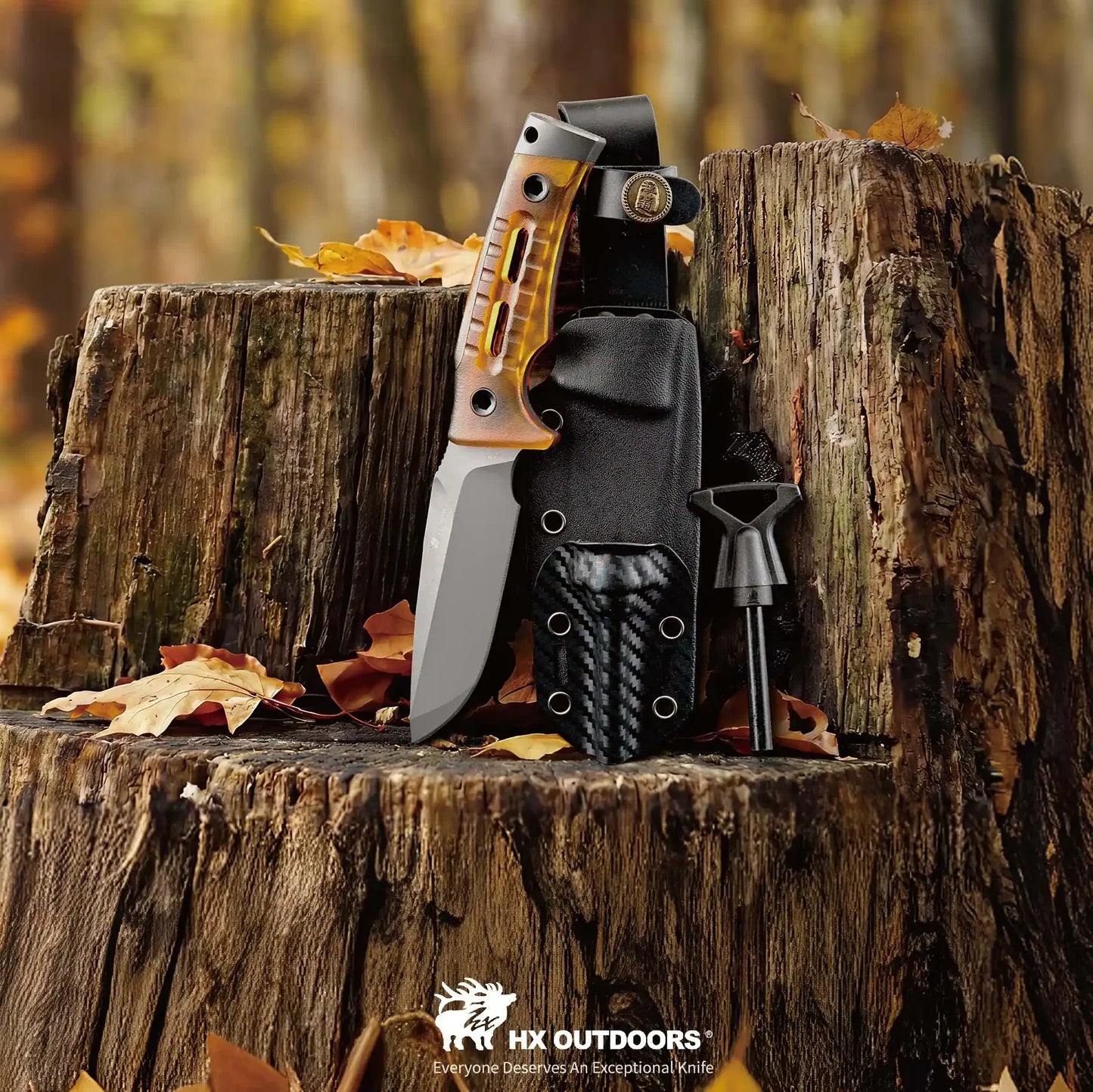
Kydex sheaths generally provide greater modularity than leather, allowing users to switch between vertical, horizontal, or angled carry positions.
Find Your Ideal Fixed Blade Setup
Choosing the right fixed blade is only half the equation—the right sheath and carry method determine how comfortable and practical your knife will be every day.
Explore HX OUTDOORS' collection of fixed blades designed for camping, hiking, bushcraft, outdoor work, and everyday carry. Pair your knife with a secure, modular sheath system to build a carry setup that fits your lifestyle.
For more knife knowledge, explore our guides on Knife Blade Shapes, Knife Steel Comparison, and Knife Maintenance to choose, carry, and care for your gear with confidence.
Ready to find your perfect carry setup?
Explore our selection of high-performance fixed blades and modular carry accessories at https://www.hxoutdoors.com/collections/fixed-blades
Whether you’re in the woods or the urban jungle, we have the gear to keep you sharp.

Dejar un comentario
Todos los comentarios se revisan antes de su publicación.
Este sitio está protegido por hCaptcha y se aplican la Política de privacidad de hCaptcha y los Términos del servicio.