



![[Exhibition Mystery Box] Shovel Edition - Display Sample](http://www.hxoutdoors.com/cdn/shop/files/8_d9080f6d-2af4-41f4-9361-46d53572e868.jpg?v=1787622405&width=104)
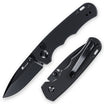

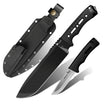
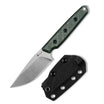

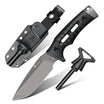

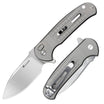
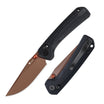
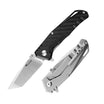


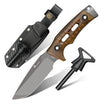
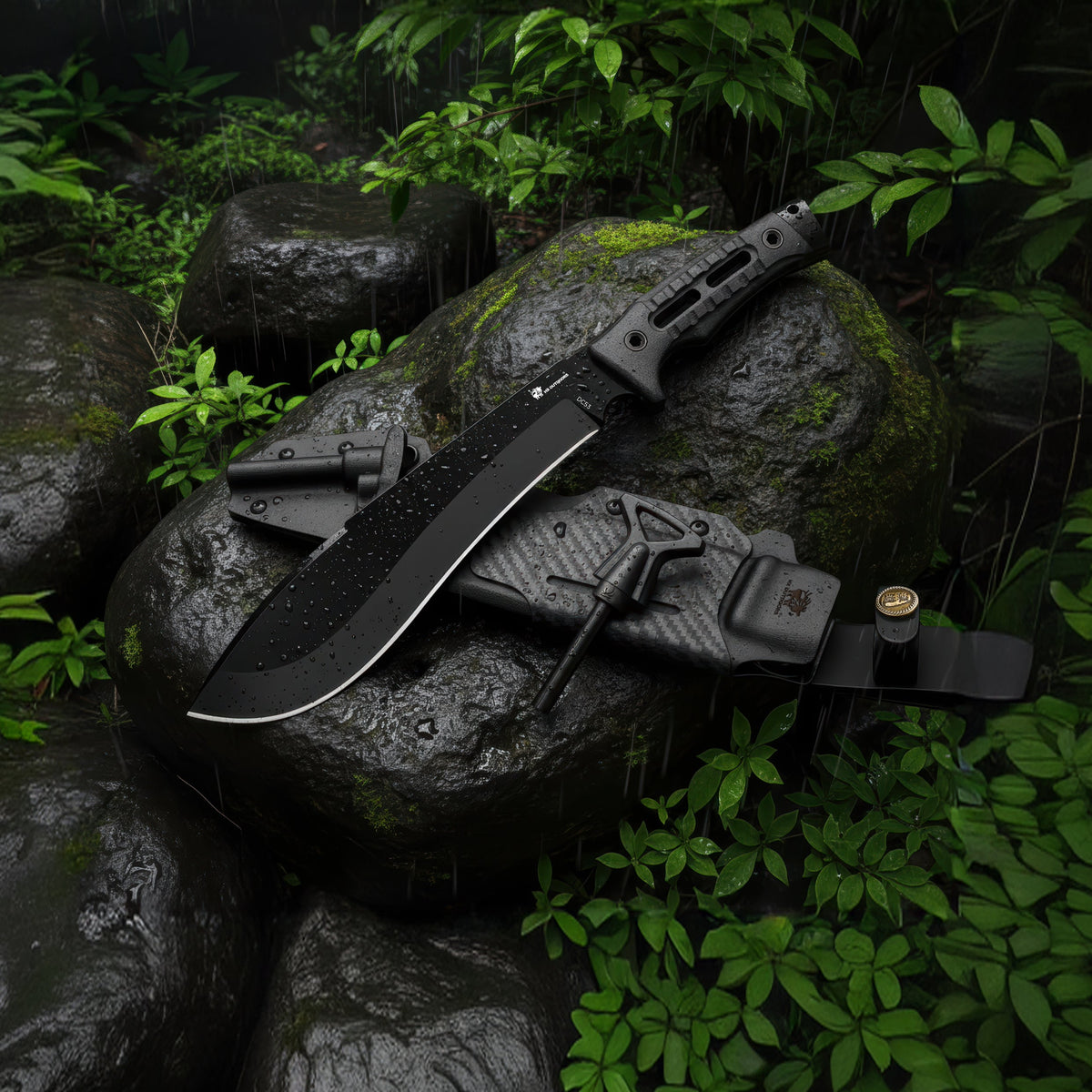
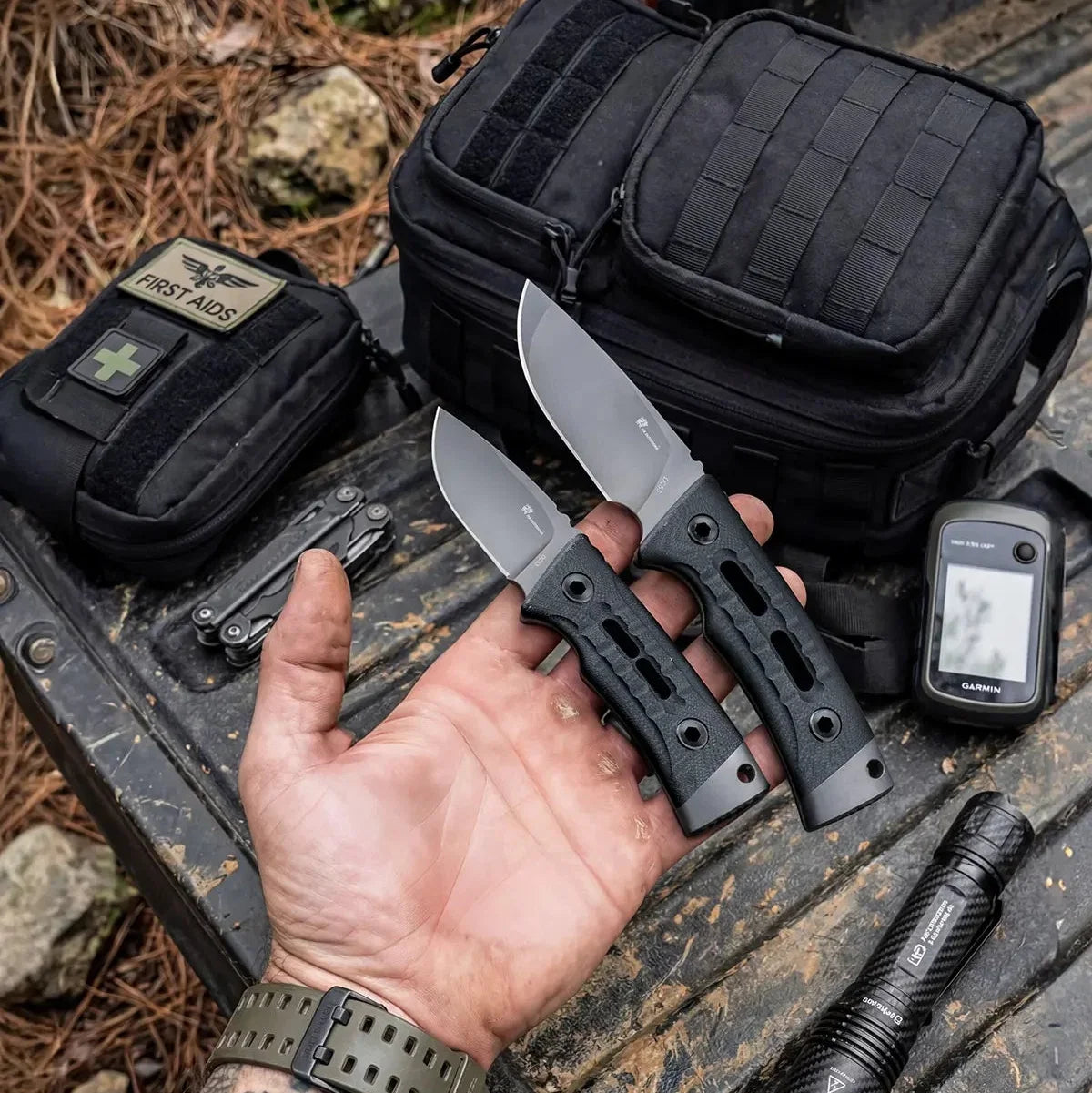
A reliable bushcraft knife is arguably your most valuable wilderness tool. Whether you are setting up camp, building a backcountry shelter, batoning firewood, carving feather sticks for fire starting, or prepping camp food, a dependable knife makes all the difference.

Our Experience at HX OUTDOORS
At HX OUTDOORS, we have spent years designing, building, and field-testing tools in unpredictable environments—from dense, rain-soaked backcountry trails to demanding survival scenarios. We understand that a fixed-blade knife in the wilderness is more than just a piece of gear; it is your most trusted companion when situations get tough.
Through countless camping expeditions, rigorous stress-testing, most aggressive tactical aesthetic. Instead, it’s the tool that successfully marries rugged, full-tang durability with refined, functional geometry. When we engineer our bushcraft knives, we obsess over the details that matter outdoors: the thickness behind the edge for clean cuts, ergonomic handle contours that prevent hand fatigue, and rock-solid sheaths for safe carry. We build dependable tools designed to handle whatever your adventure demands.
What Makes a Real Bushcraft Knife?
A true bushcraft fixed-blade knife is engineered for heavy, repeated field work—not just light cutting. While heavy-duty folding knives can handle minor camp tasks, most experienced US survivalists and bushcrafters strongly prefer fixed-blade knives for serious backcountry use. In the wilderness, raw performance, durability, and a repairable build quality always matter more than flashy aesthetics.
6 Critical Features to Evaluate Before Buying
1. Tang Construction — Top Priority for Bushcraft
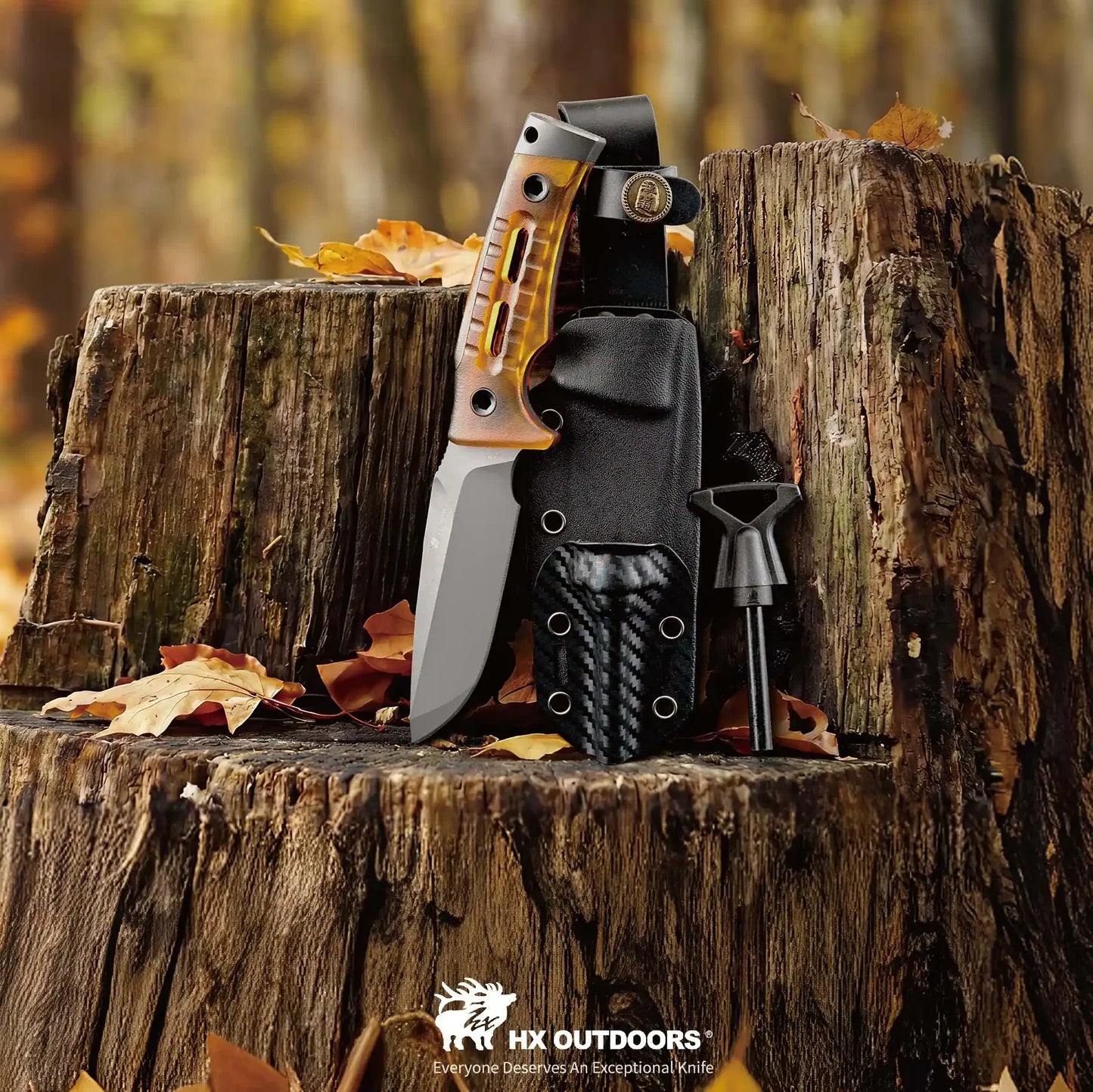
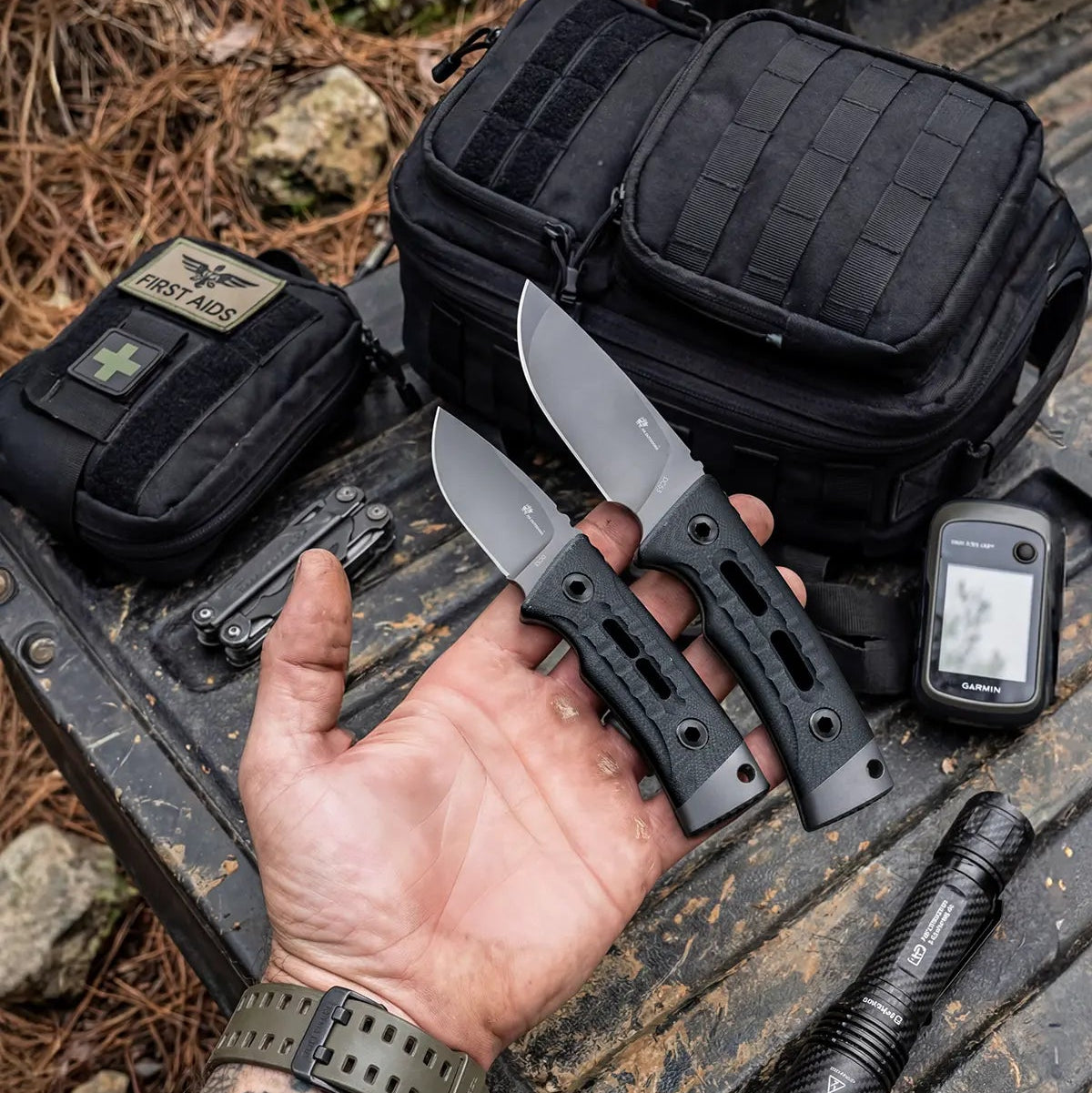
When shopping for a survival knife, full-tang construction should be your absolute top priority. A full-tang means the metal of the blade runs completely through the handle as one solid piece.
-
Full-Tang: The gold standard for backcountry bushcraft. It offers maximum strength and prevents handle separation during heavy batoning, prying, and shelter-building.
-
Partial-Tang / Rat-tail Tang: Lighter in weight, but highly vulnerable under heavy force. Avoid these for serious wood processing.
2. Blade Steel: Carbon Steel vs. Stainless Steel
Your choice of steel dictates how well your knife holds an edge and how much maintenance it requires:
-
Carbon Steel (D2): Highly favored by American bushcraft enthusiasts because it is exceptionally easy to sharpen in the field and holds a razor edge remarkably well. The downside: It is prone to rust. You must clean and oil a carbon steel blade after exposure to moisture.
-
Stainless Steel (14C28N): Offers excellent rust and corrosion resistance, making it low-maintenance for wet, rainy, or humid environments. It requires slightly more effort to sharpen in the wild, but it’s a fantastic choice for beginners.

3. Blade Grind
The grind profile determines how the knife cuts through wood and materials:
-
Scandi Grind: The classic, traditional bushcraft grind featuring a single, zero-bevel edge. It is supreme for wood carving, woodworking, and feather-stick fire prep. Plus, it’s remarkably easy to sharpen using basic sharpening stones in the wilderness.
-
Flat Grind: Highly versatile for general utility tasks, slicing rope, and camp food prep, though slightly less aggressive for heavy wood-cleaving tasks.
4. Blade Length and Thickness
For general US backcountry bushcraft activities, a 4 to 5-inch blade is the ultimate sweet spot:
-
Under 4 inches: Great for fine carving, but often too small for batoning and heavy shelter building.
-
Over 5.5 inches: Tends to become overly heavy and cumbersome for all-day hiking.
-
Blade Thickness: Aim for 2.5mm to 3.2mm for general utility; upgrade to 3.5mm+ if you plan on heavy, aggressive batoning.

5. Handle Material & Ergonomics
You need a secure, non-slip grip, especially when your hands are wet, cold, or sweaty.
6. Don’t Skip a Quality Sheath
A secure, well-fitted sheath protects you from accidental cuts during hiking and backpacking. Look for rugged leather, Kydex, or MOLLE-compatible nylon sheaths. A poorly made sheath can dull your blade prematurely or cause you to lose your knife on rough trails.
Choose Based on Your Specific Outdoor Activities
-
✅ Select a full-tang fixed blade if you do serious wilderness bushcraft: batoning logs, constructing shelters, and processing heavy firewood in the backcountry.
-
✅ Pick a compact, lightweight knife if your adventures lean toward casual car-camping and light day-hiking.
-
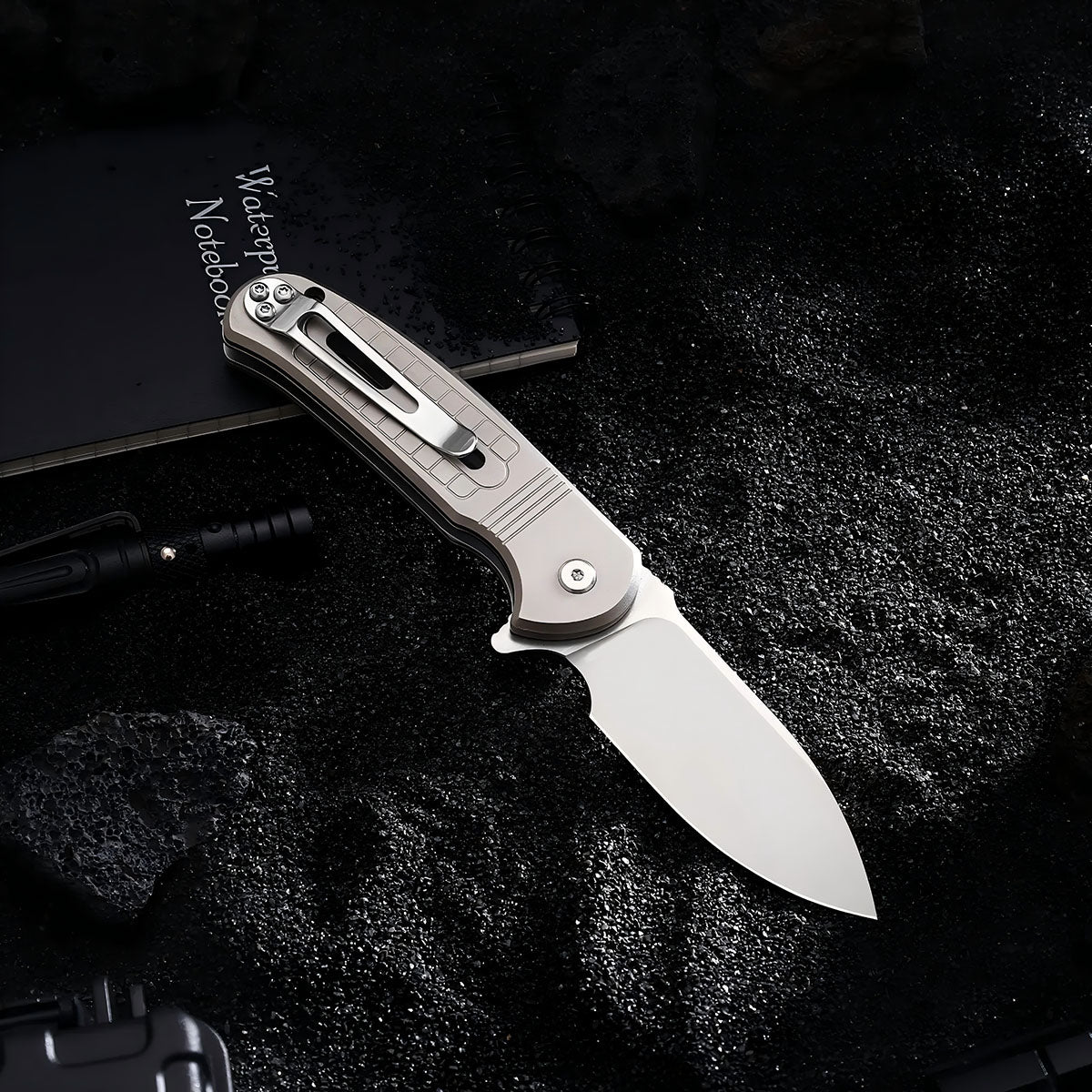
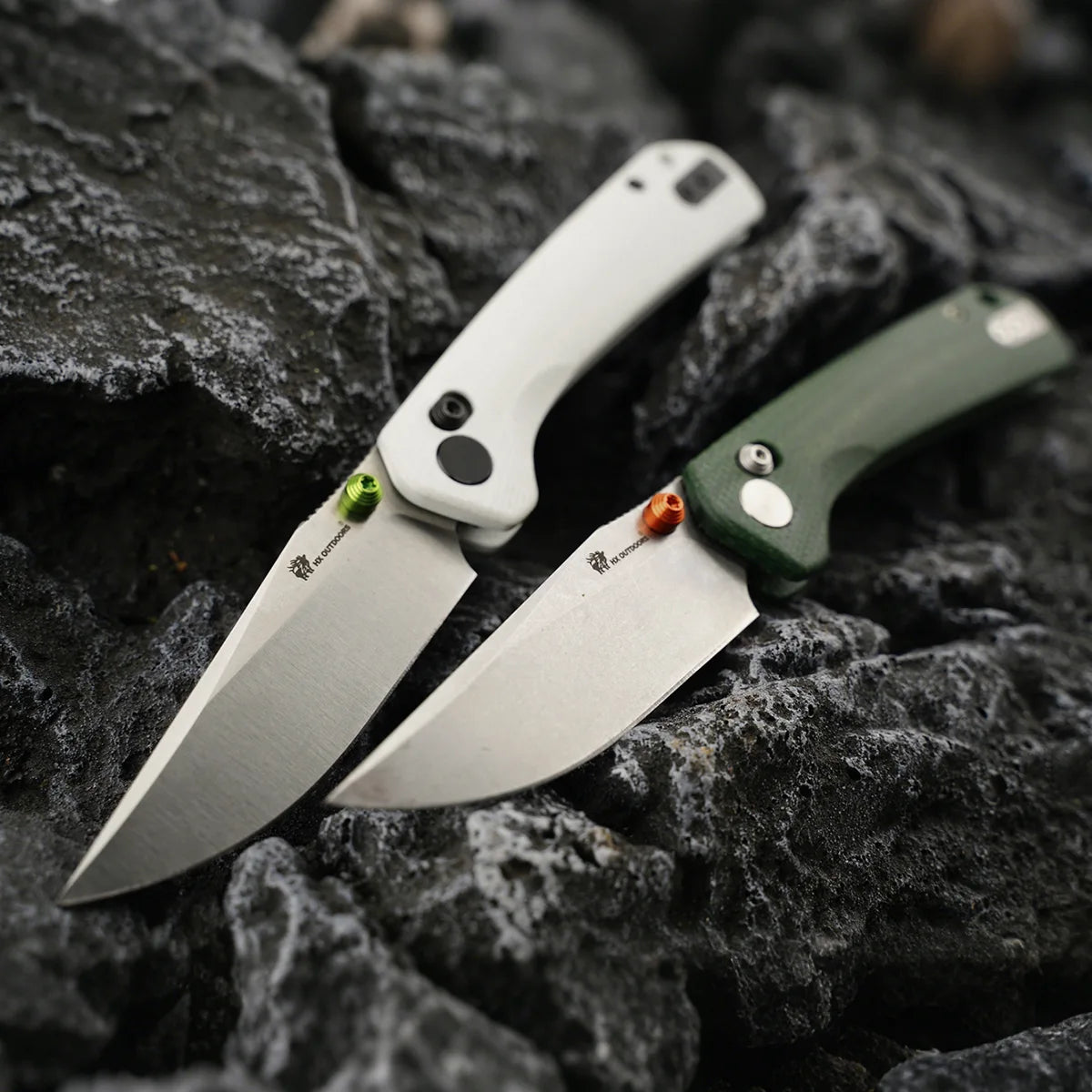
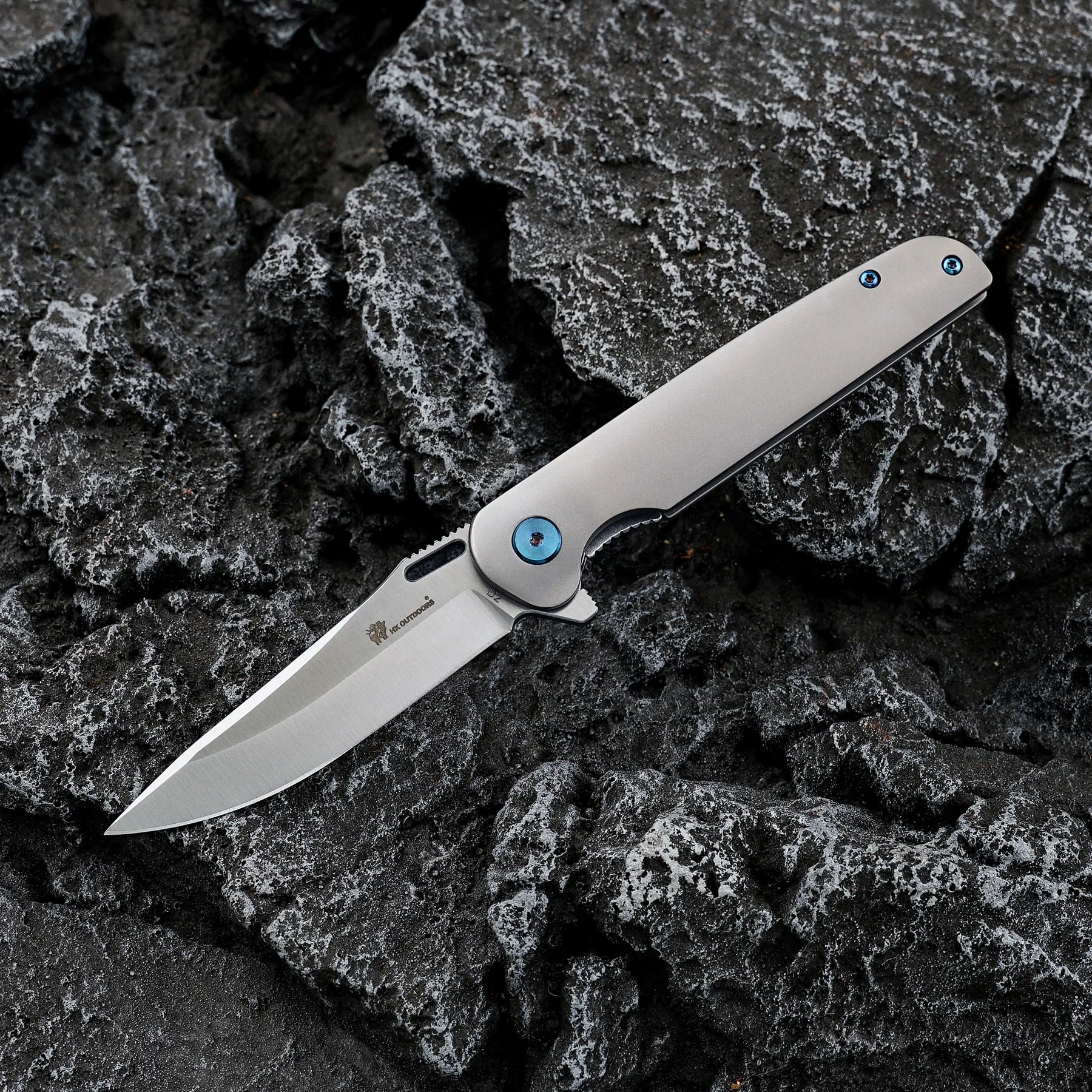
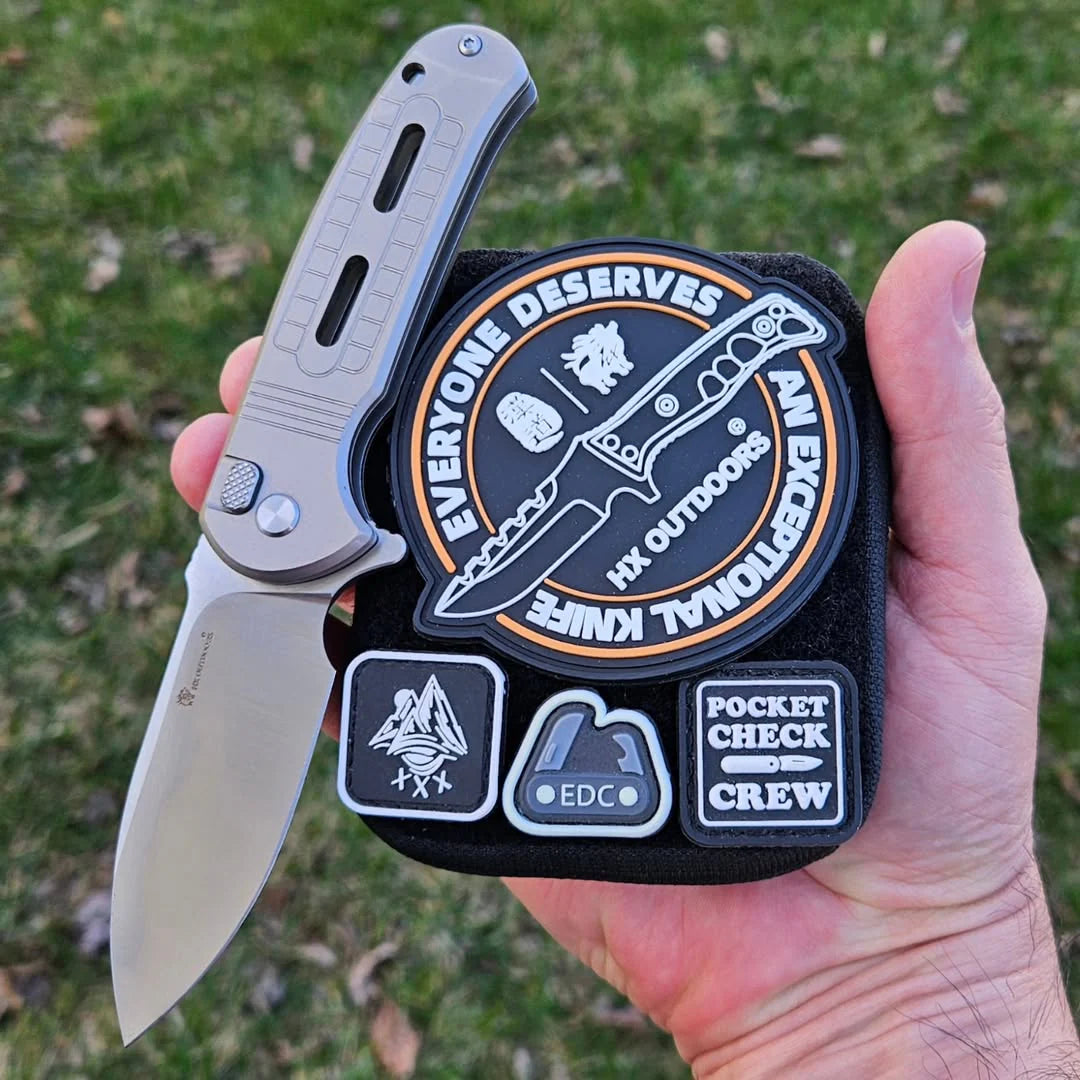
✅ The Two-Knife System: Many seasoned outdoor enthusiasts carry a robust fixed-blade knife for heavy camp chores alongside a compact pocket folding knife for quick, everyday trail tasks.

Frequently Asked Questions (FAQ)
Q: Can I use a folding knife for bushcraft?
A: Folding knives are great for light camp chores (like cutting cordage or food prep). However, you should avoid heavy batoning with folders, as the pivot and locking mechanisms can fail under extreme stress.
Q: Do I need to buy an expensive knife to get a good bushcraft tool?
A: No. You don’t need overpriced, luxury knives. Focus strictly on a full-tang build, reliable steel (14C28N), and a secure sheath rather than decorative branding or tactical looks.
Q: Is carbon steel too high-maintenance for beginners?
A: If you are unwilling to wipe down, clean, and occasionally oil your blade after wet use, you should skip carbon steel and choose a stainless steel bushcraft knife instead
👉 Ready to gear up for your next adventure?
Shop Now: https://www.hxoutdoors.com/collections/fixed-blade
The best bushcraft knife is the one that matches your typical outdoor environment and tasks. Always consider where you camp, what survival work you will perform, and how much post-trip maintenance you are willing to handle. In the backcountry, pure build quality and functional geometry will always beat flashy looks.

Dejar un comentario
Todos los comentarios se revisan antes de su publicación.
Este sitio está protegido por hCaptcha y se aplican la Política de privacidad de hCaptcha y los Términos del servicio.