




![[Exhibition Mystery Box] Shovel Edition - Display Sample](http://www.hxoutdoors.com/cdn/shop/files/8_d9080f6d-2af4-41f4-9361-46d53572e868.jpg?v=1787622405&width=104)

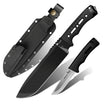
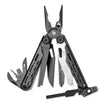
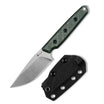

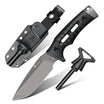

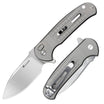
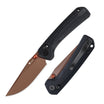
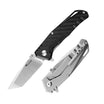


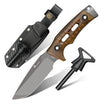
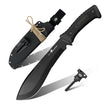
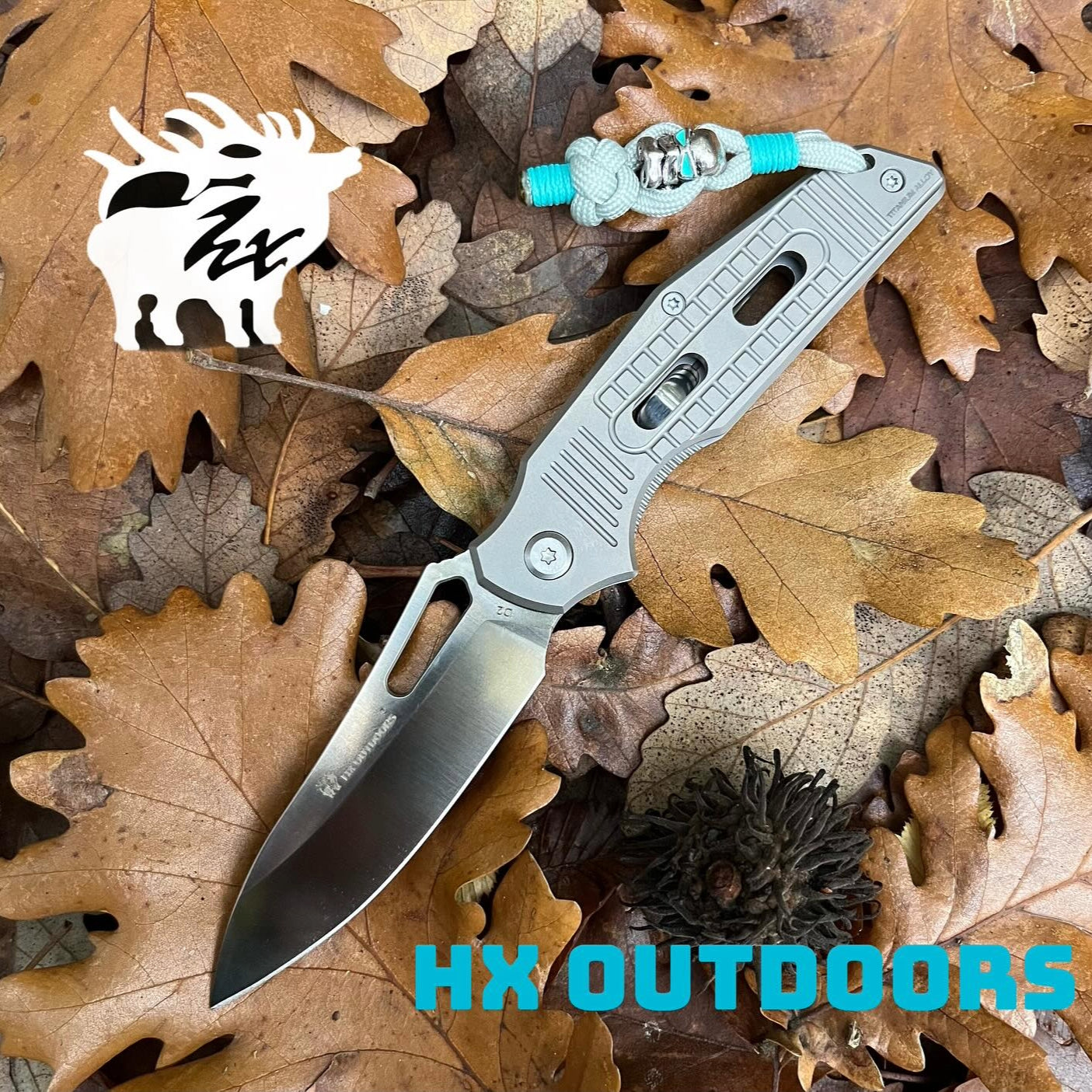
You’ve invested in a quality blade—now don’t let it turn into a pile of red dust! Whether you’re a pro chef or an EDC warrior, rust is the enemy. It’s not just an eyesore; it ruins performance and wrecks your edge. But fear not! From the legendary carbon steel to modern stainless, here is how to keep your metal looking pristine.
Our Experience at HX OUTDOORS
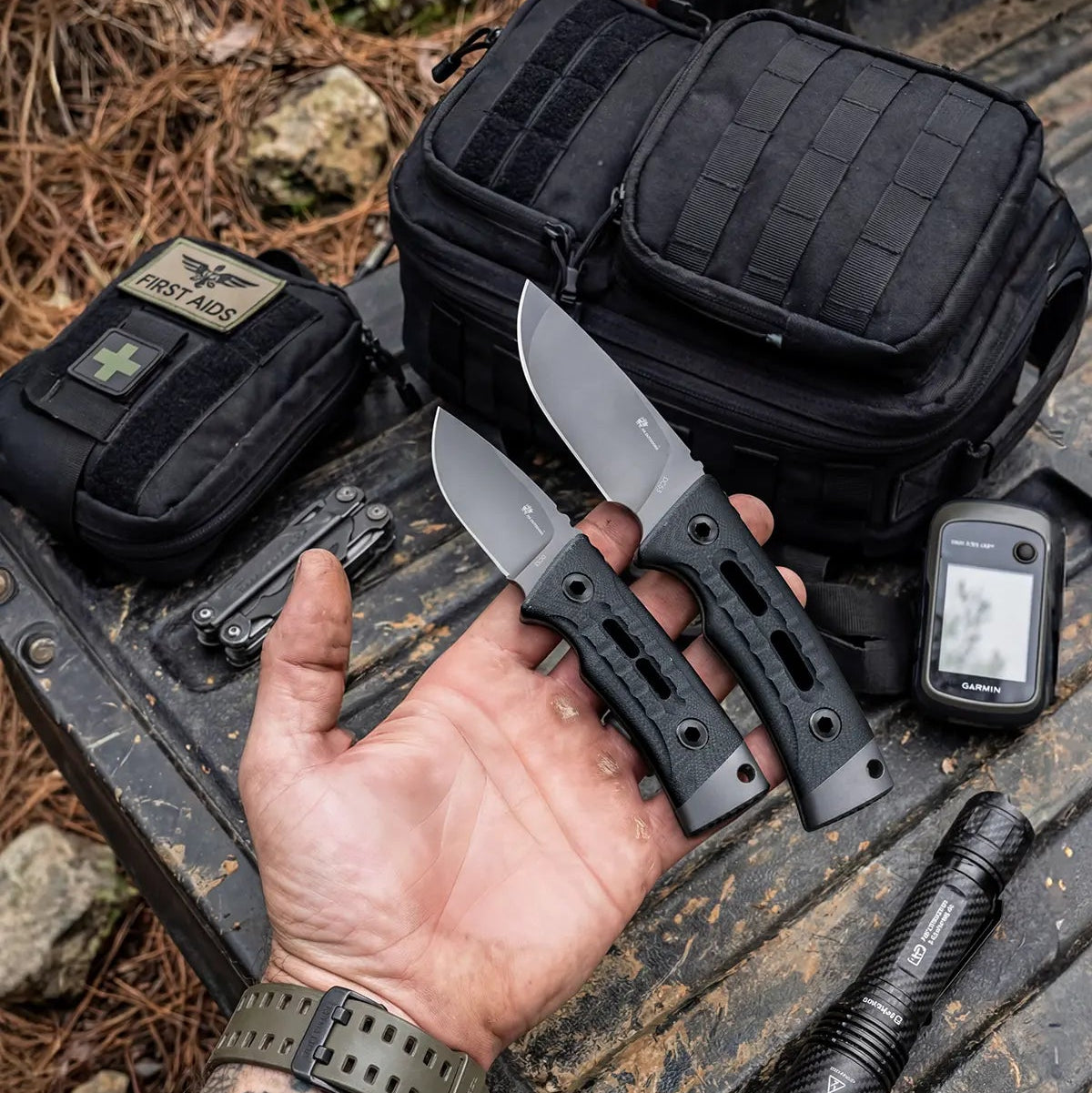
At HX OUTDOORS, we’ve put countless blades through the ringer-Our takeaway? Respect the steel.
We’ve found that even the most “rust-resistant” steels like MagnaCut can still develop surface spots if neglected. Our pro tip? If you’re heading out for a heavy-duty task, give your blade a quick wipe with a wax-based lubricant or a thin layer of mineral oil before you leave. It takes five seconds and saves you ten minutes of scrubbing later!
1. Why Do Knives Rust?
Rust isn’t just “bad luck”; it’s a chemical reaction between iron, oxygen, and moisture. Think of these as the “Rust Trifecta”:
The Culprits: Moisture (the big one!), Salt (the accelerator), and Acids (citrus and vinegar love to eat through protective layers).
The Solution: It’s all about the barrier. Keep the metal away from these elements, and your blade stays healthy.
2. The “Golden Rules” of Blade Care
Hand Wash Only: Ditch the dishwasher! The high heat and harsh detergents will destroy your edge and invite corrosion. Use warm, soapy water and a soft cloth.
Dry It Like You Mean It: Never leave a knife air-drying in the sink. Wipe it down immediately after washing. Even a little residual water is a breeding ground for rust.
Oil is Your Best Friend: A light coating of food-grade mineral oil creates a hydrophobic barrier that seals the metal against the air. It’s the easiest way to give your knife an invisible “raincoat.”
The Patina Trick: For carbon steel fans, don’t fear the gray/blue tint—that’s a patina. It’s a natural, stable oxidation layer that actually protects the steel from red rust. Some even force it with coffee or vinegar for a custom look!
3. Rust Removal 101-Found a spot? Don’t panic.
Rust Erasers: These are basically magic blocks for minor surface rust.
Metal Polishes: Perfect for bringing back that factory mirror finish.
When to Call for Help: If the rust is pitted or deep, take it to a professional. Don’t compromise the blade geometry by over-grinding it yourself!
FAQ: Your Burning Questions Answered
Q: Can I use olive oil to protect my knife?
A: Better not! Vegetable-based oils can go rancid and sticky over time. Stick to food-grade mineral oil or dedicated knife maintenance oils.
Q: Why does my stainless steel knife still have orange spots?
A: “Stainless” just means “stain-less,” not “stain-proof.” Salt, harsh chemicals, and moisture will eventually get to anything if left unchecked.
Q: Is a patina actually rust?
A: Nope! Rust is “active” corrosion that eats the metal. A patina is “passive” oxidation that sits on top of the metal to seal it. They are total opposites.
Q: Where is the best place to store my knives?
A: Somewhere dry and ventilated. Magnetic strips or knife blocks are great, just make sure the knife is 100% dry before you tuck it away!
From Rust Prevention to Your Next Blade—Let’s Gear Up!
Now that you’ve mastered the art of rust prevention, it’s time to pair that knowledge with a blade that can take a beating.
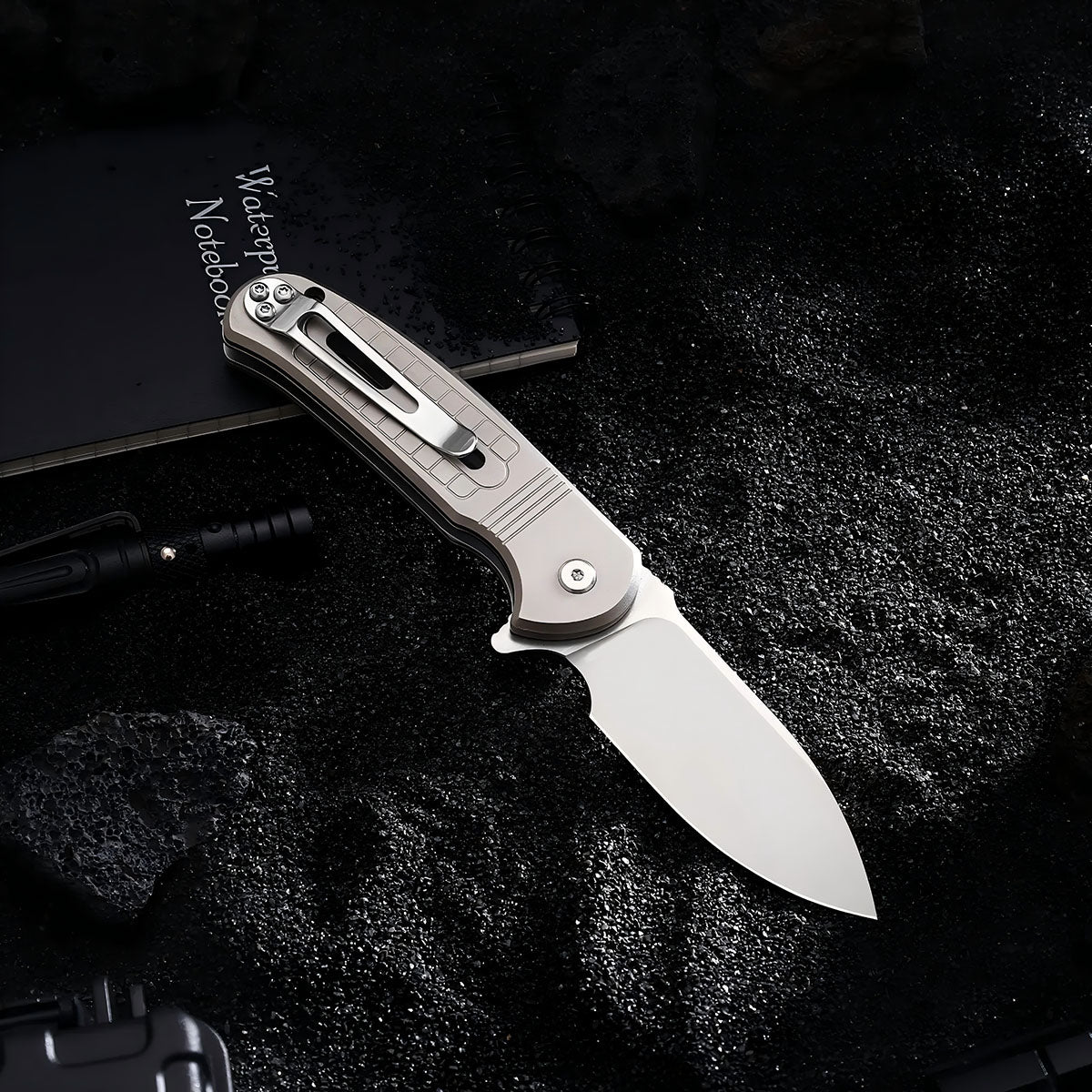
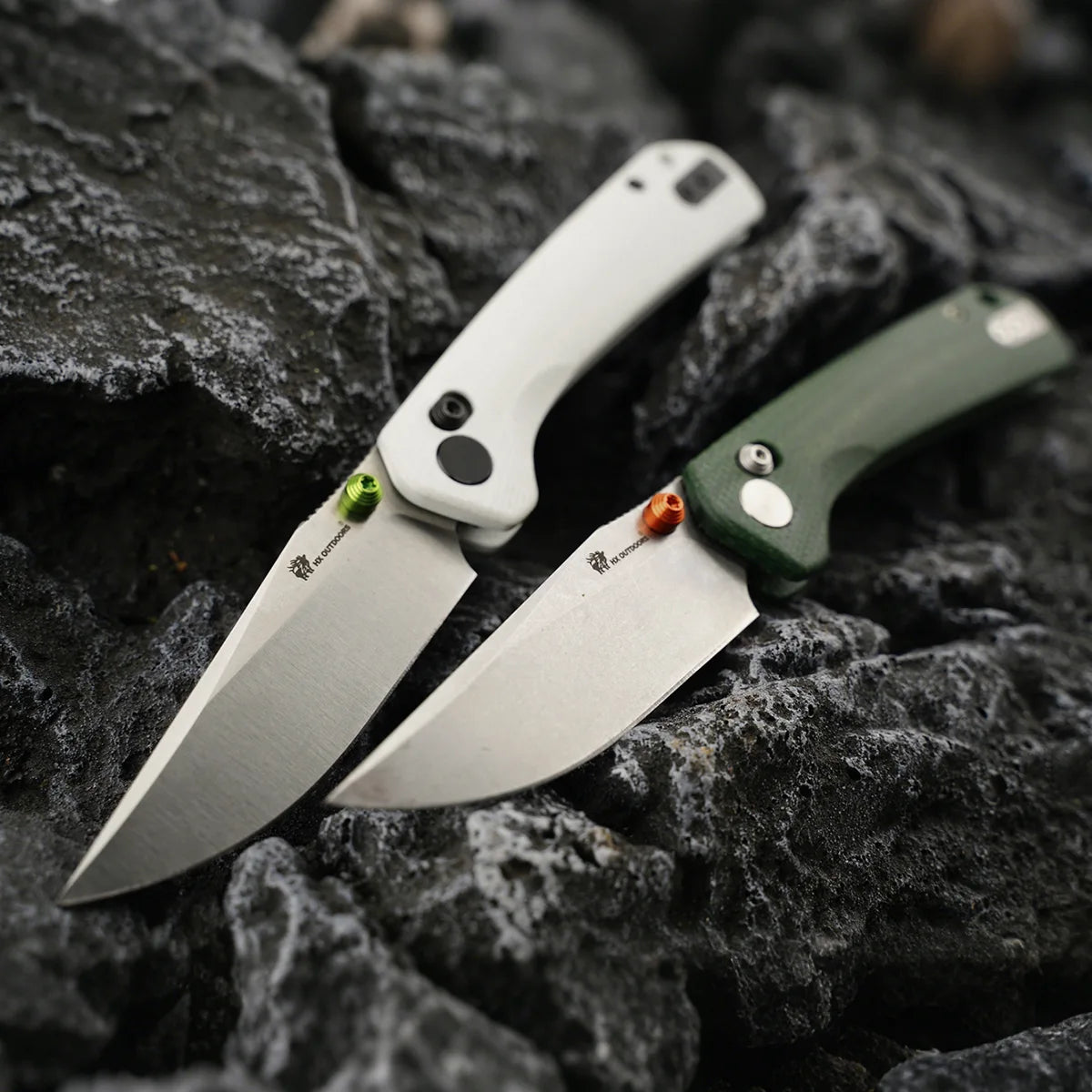
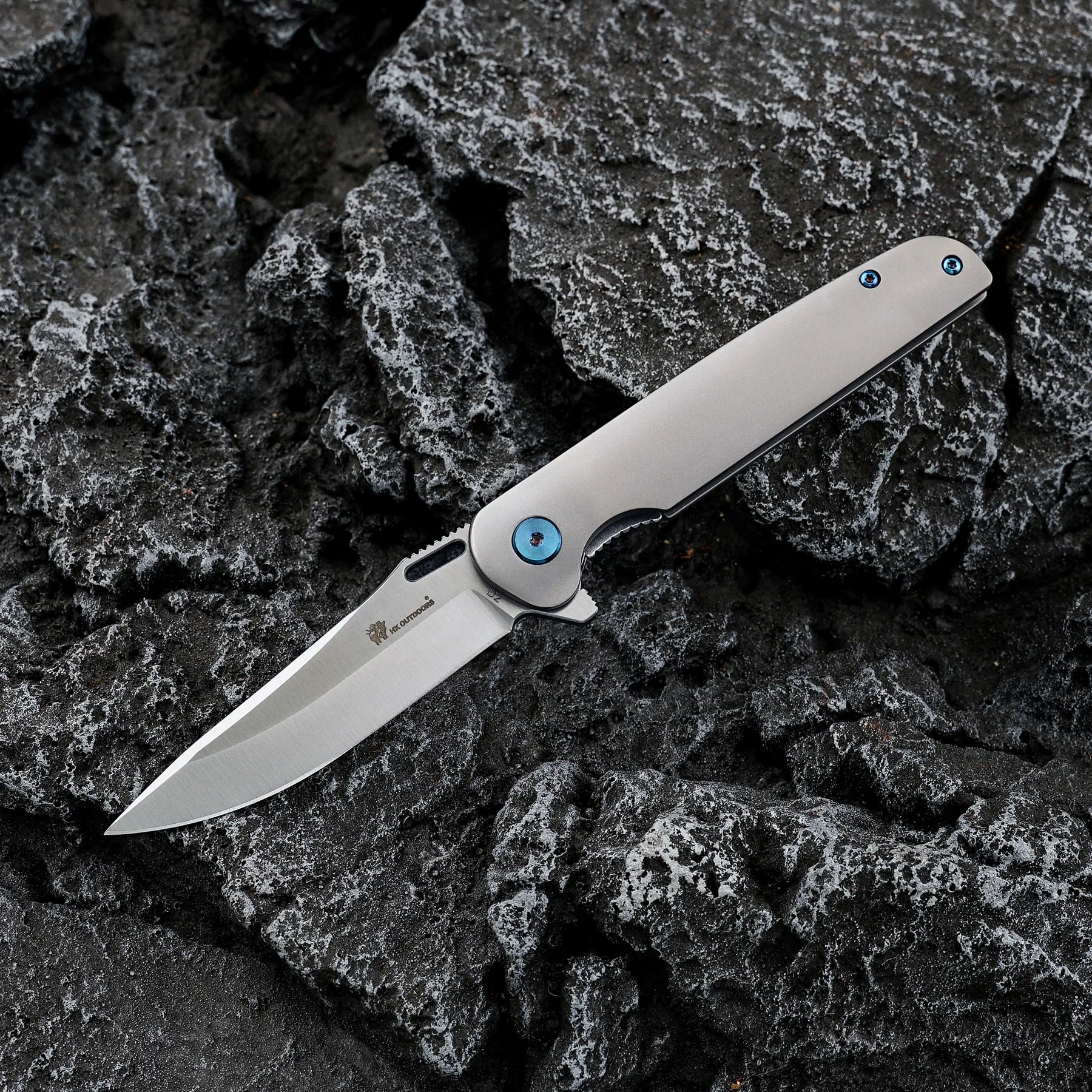
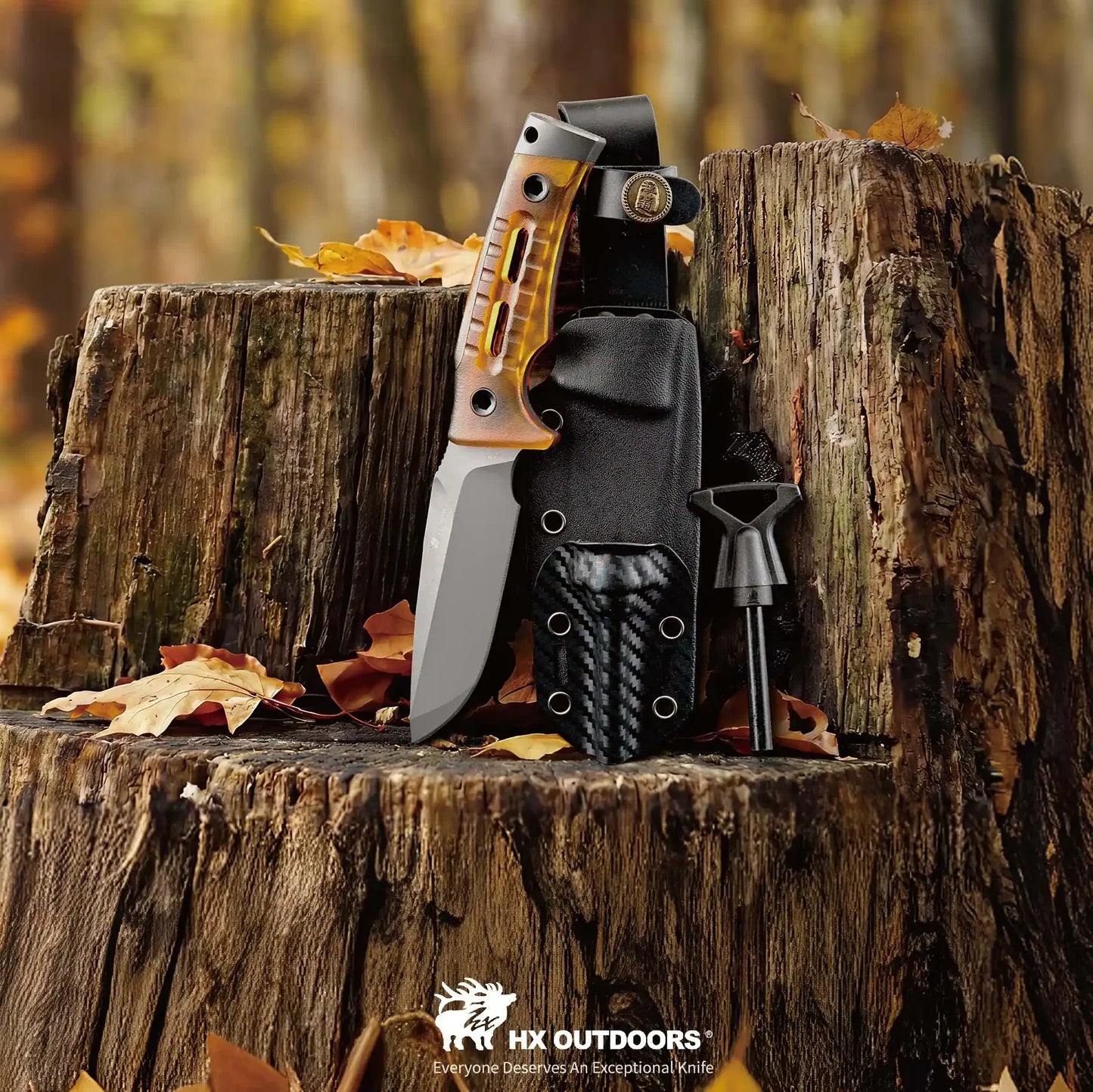
Upgrade your carry with HX OUTDOORS. We specialize in tactical and EDC blades, from the workshop to the wild, find your next rust-resistant, razor-sharp companion at www.hxoutdoors.com
Got a pro tip for fighting the rust or a “blade-gone-wrong” story you’re finally ready to confess? We’ve all been there!
Share your thoughts and experiences in the comments—the community wants to hear how you keep your steel looking sharp. Let’s talk shop!

Dejar un comentario
Todos los comentarios se revisan antes de su publicación.
Este sitio está protegido por hCaptcha y se aplican la Política de privacidad de hCaptcha y los Términos del servicio.