

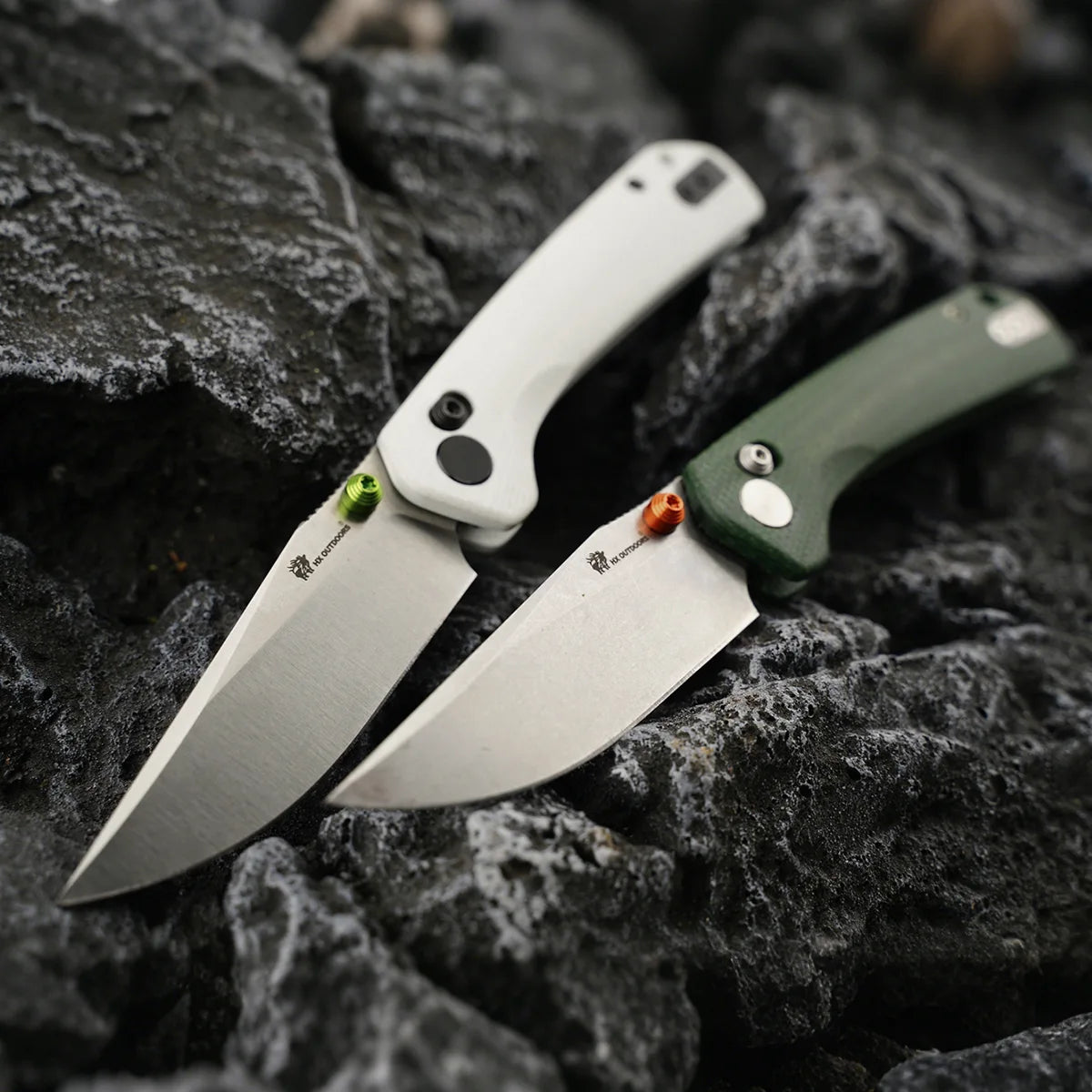
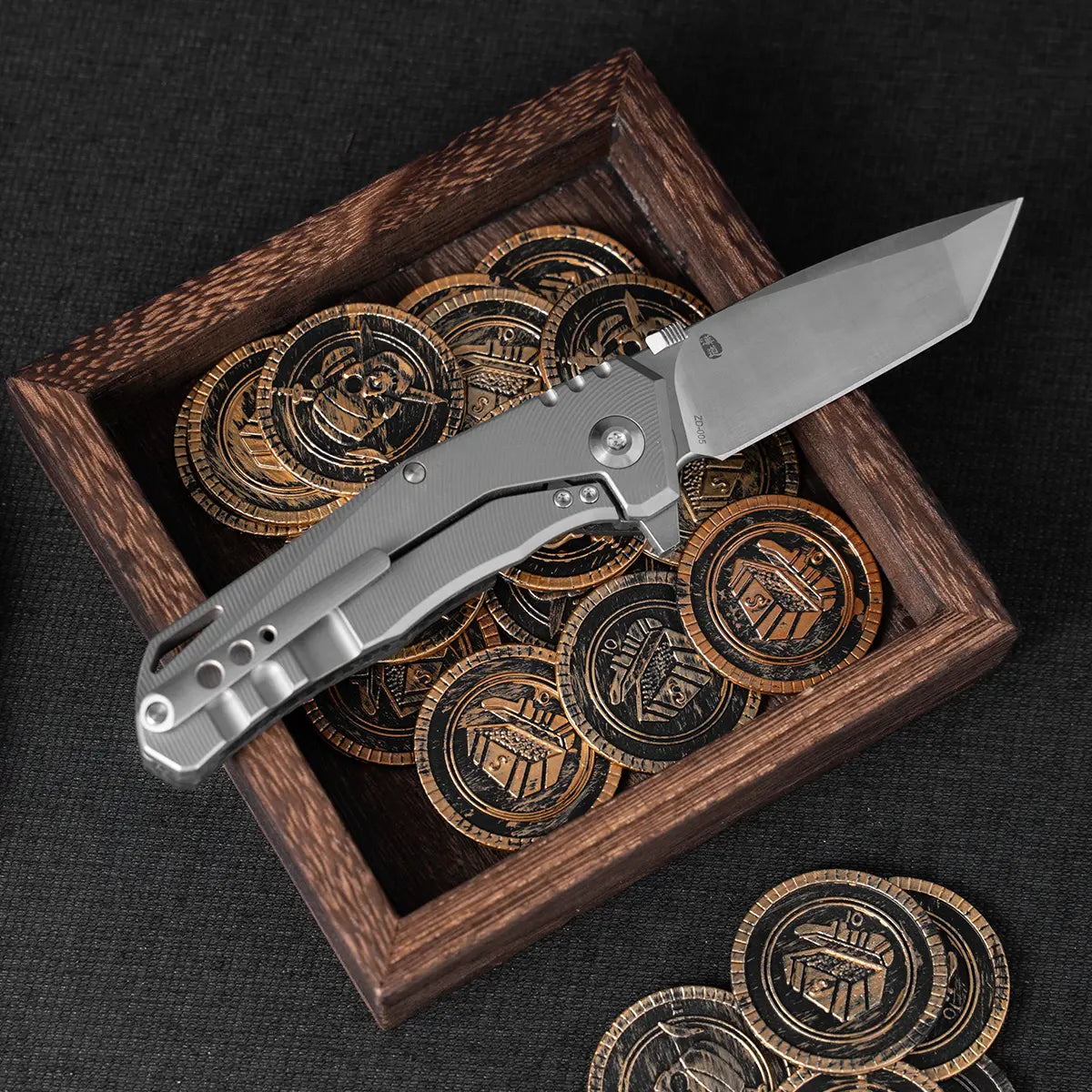
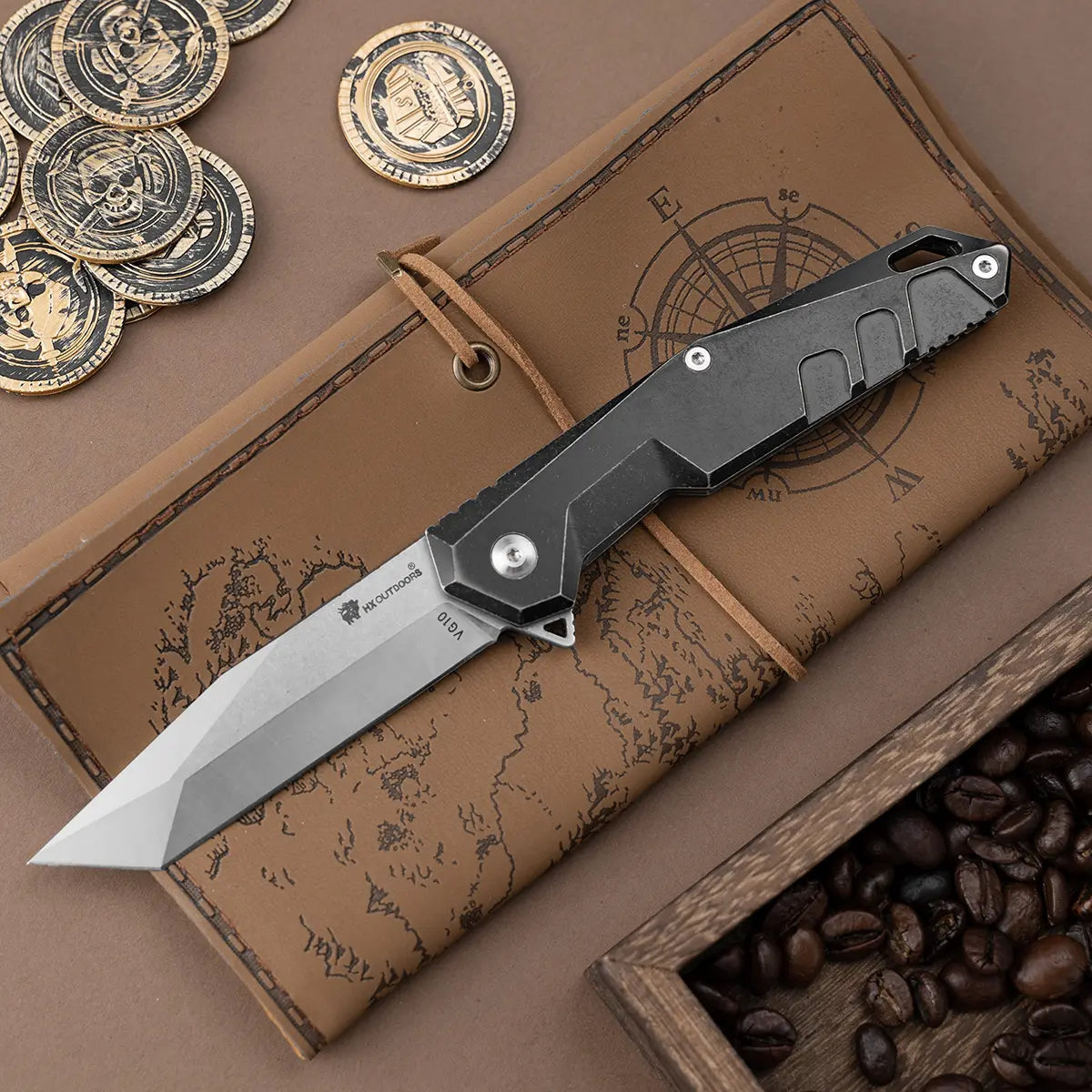
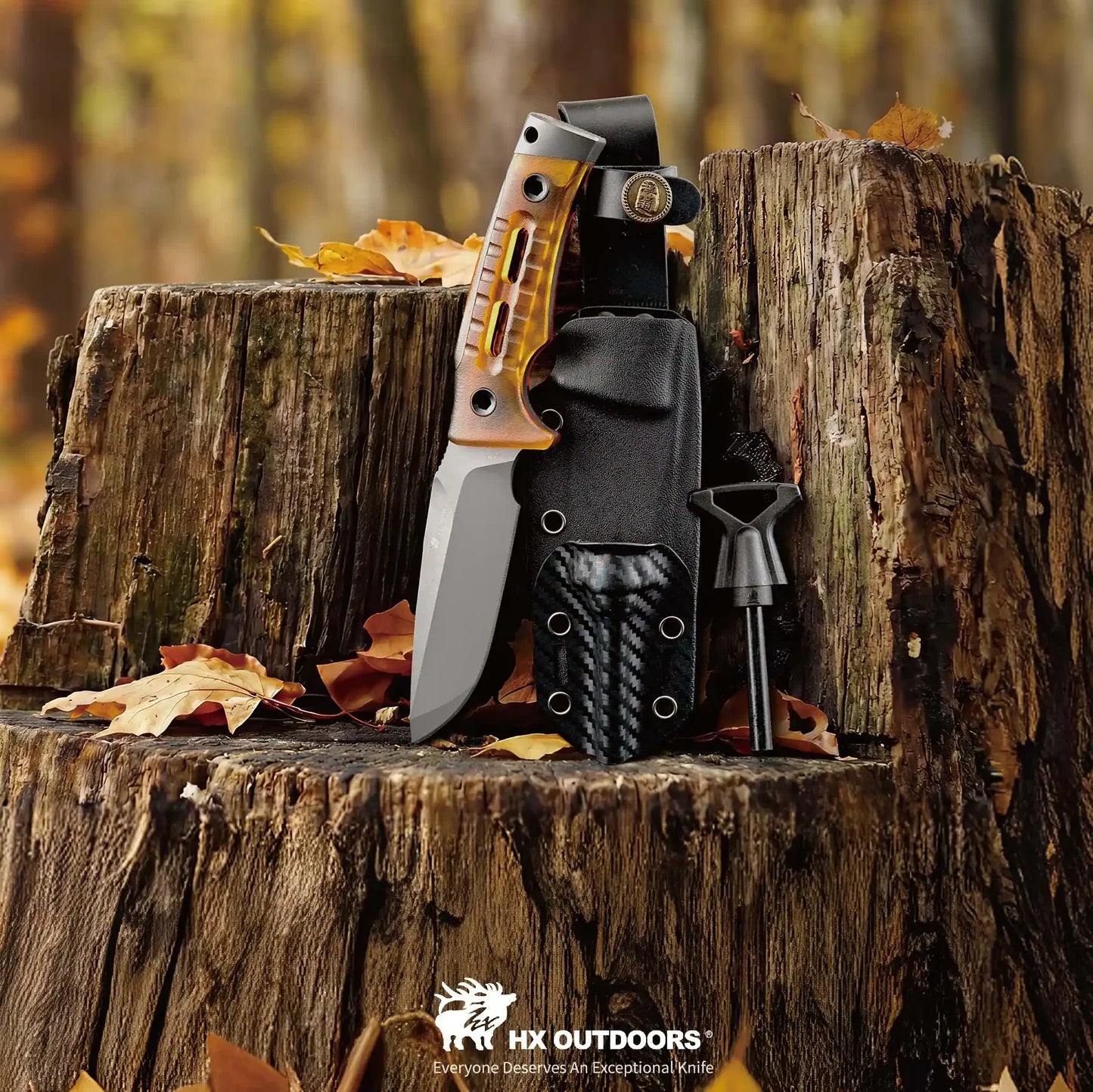



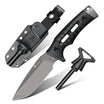
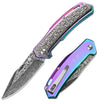
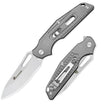
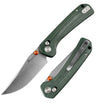
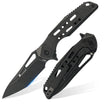
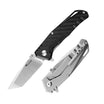
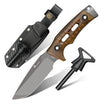
When building a survival kit, most people obsess over steel types or handle materials. But there is a hidden factor that determines how your blade actually performs in the field: the blade grind.
Which knife grind is best for survival? If picking a knife is like choosing a car, the blade grind is the engine under the hood. You can fall in love with a shiny paint job and a comfortable leather seat, but it’s the grind that decides whether you’re cruising on the highway or getting stuck in the mud when the real work begins.
Our Experience at HX OUTDOORS
At HX OUTDOORS, we don’t just pick a grind because it looks good. We test. Our team has spent years putting prototypes through real-world stress tests—from precision skinning in the backcountry to heavy-duty batoning in harsh, cold environments. We’ve learned that the “perfect” knife is a balance of geometry and physics.
The Anatomy of a Blade Grind
“Blade grind” refers to the shape of the blade’s cross-section. It’s not just about aesthetics; it dictates how the knife slices, chops, and holds its edge.
Primary Grind (Primary Bevel): The main slope of the blade from the spine down toward the edge.
Secondary Grind (Secondary Bevel): What we commonly call the “cutting edge.”
Full Grind: Extends from the spine all the way to the edge.
Sabre Grind: Stops halfway down the blade, leaving a thicker “shoulder” that adds structural integrity.
Blade grind comparison guide
Selecting the right grind is a game of trade-offs. Use the table below to decide which geometry matches your specific survival needs:
| Grind Type | Core Strength | Slicing Ability | Ease of Field Repair |
Ideal Use Case |
| Flat | ★★★★☆ | ★★★★★ | ★★★☆☆ | All-Rounder (EDC/Hunt) |
| Scandi | ★★★★★ | ★★★☆☆ | ★★★★★ | Bushcraft & Carving |
| Hollow | ★★☆☆☆ | ★★★★★ | ★★★☆☆ | Precision Slicing |
| Convex | ★★★★★ | ★★★☆☆ | ★☆☆☆☆ | Heavy Chopping/Axe |
| Chisel | ★★★☆☆ | ★★★★☆ | ★★★★☆ | Woodwork & Kitchen |
Common Blade Grinds Explained
1. Flat Grind: The “Jack of All Trades”
A flat grind features a continuous taper from the spine to the edge. It provides a perfect balance between slicing ability and edge strength.
Best for: General camp chores, food prep, and EDC utility.
Performance: It offers minimal resistance while slicing through materials, making it a reliable choice for your primary survival knife.
2. Scandi Grind: The Bushcraft Favorite
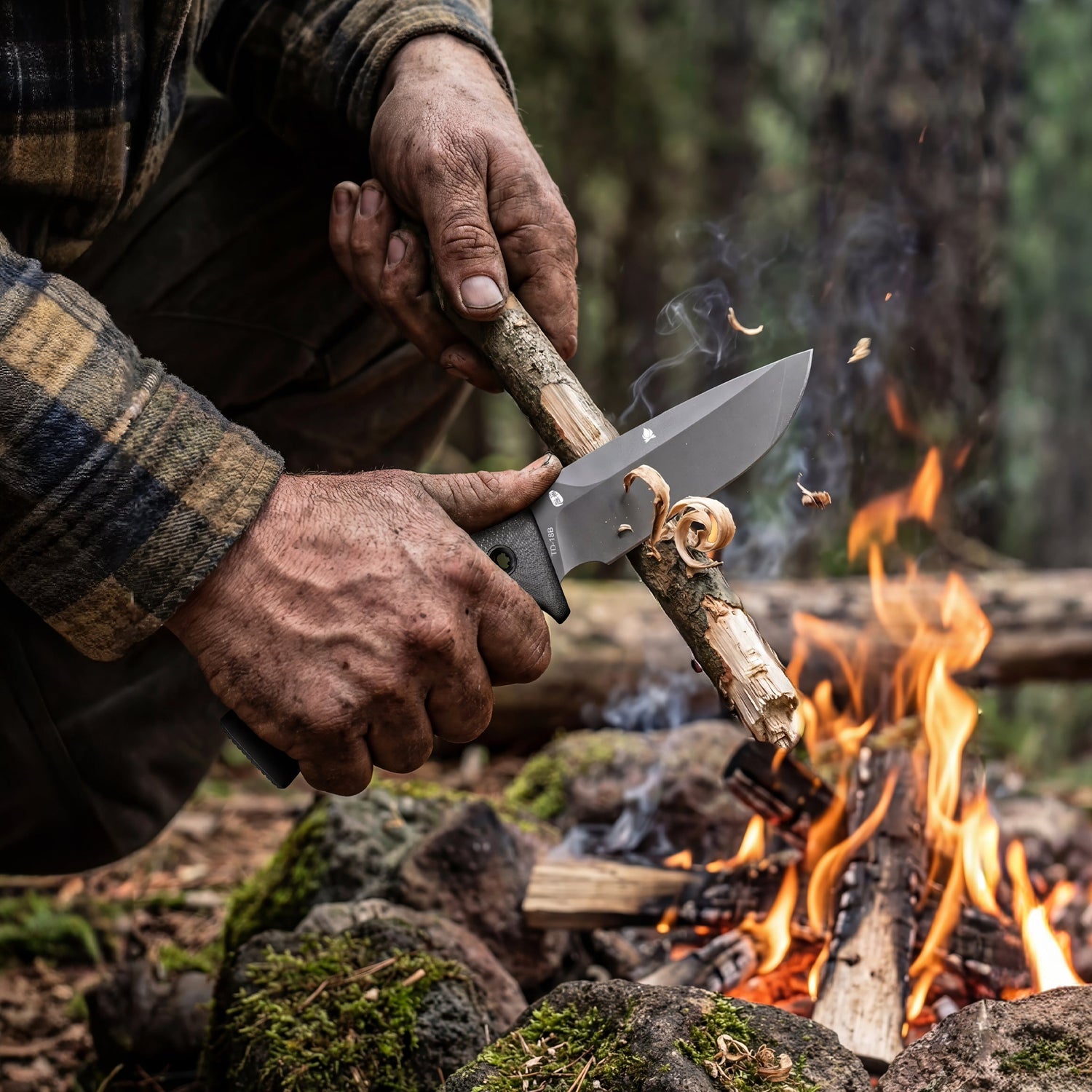
The “Scandinavian” grind is a zero-grind (no secondary bevel), meaning it’s incredibly easy to sharpen in the field.
Best for: Wood carving, feather-sticking, and shelter building.
Performance: The mass behind the edge makes it a powerhouse for heavy-duty woodworking tasks.
3. Hollow Grind: The Precision Slicer
Created by grinding a concave curve into the blade, the hollow grind is incredibly thin behind the edge.
Best for: Precision cutting, skinning, and fine work.
Performance: Because the blade is so thin, it doesn’t wedge into materials. Note: It is less durable for hard, lateral prying tasks.
4. Convex Grind: The Heavy-Duty Chopper
Think of an axe. The edge curves outward, putting maximum metal behind the cutting surface.
Best for: Chopping, splitting wood, and tactical survival.
Performance: It pushes material away as it cuts, preventing the blade from binding in thick logs.
We calibrate our grind heights to ensure the edge is thin enough to slice, but thick enough to withstand the mechanical stress of field repairs. By pushing our blades through rigorous testing, we’ve refined our manufacturing to ensure that when you reach for an HX knife, it performs exactly as intended.
Pro-Tips for Maximizing Your Blade Performance
The “Behind the Edge” Thickness: Even a high-performance Flat grind will feel like a pry bar if the blade stock is too thick. Check the thickness above the secondary bevel before you buy.
Spine Thickness Matters: Don’t confuse a thick spine with a durable edge. Always check the grind profile first to see if it supports the tasks you plan to tackle.
Maintenance is Key: Regardless of the grind, a dull knife is a dangerous knife. Keep a compact sharpener in your kit to touch up the edge regularly.
Frequently Asked Questions (FAQ)
Q1: Which grind is easiest to sharpen for beginners?A1: The Scandi grind is widely considered the easiest because the flat bevel guides your hand at the correct angle on a stone.
Q2: Can I use a Hollow grind for batoning wood?
A2: We generally advise against it. Hollow grinds are optimized for slicing; the thin profile can lead to edge rolling or chipping when faced with the high lateral stress of batoning.
Q3: Does the grind type affect my choice of steel?
A3: Absolutely. A brittle, high-hardness steel is better suited for a Scandi or Flat grind, whereas a tougher steel (like D2 or DC53) performs exceptionally well in a Convex or heavy-duty Sabre configuration.
Ready to Find Your Perfect Match?
Shop HX OUTDOORS Survival Gear at https://www.hxoutdoors.com/
Don’t let bad geometry hold you back in the backcountry. Explore the HX OUTDOORS collection of high-performance survival knives, engineered with the right grind for the right mission.
-
Scandi vs Flat grind
-
Best edge for batoning wood
-
How to sharpen a convex edge
-
D2 steel blade grind

Dejar un comentario
Todos los comentarios se revisan antes de su publicación.
Este sitio está protegido por hCaptcha y se aplican la Política de privacidad de hCaptcha y los Términos del servicio.