



![[Exhibition Mystery Box] Shovel Edition - Display Sample](http://www.hxoutdoors.com/cdn/shop/files/8_d9080f6d-2af4-41f4-9361-46d53572e868.jpg?v=1787622405&width=104)
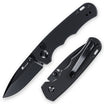

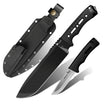
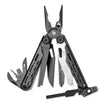


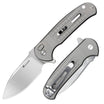
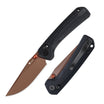
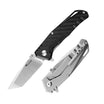


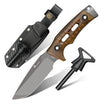
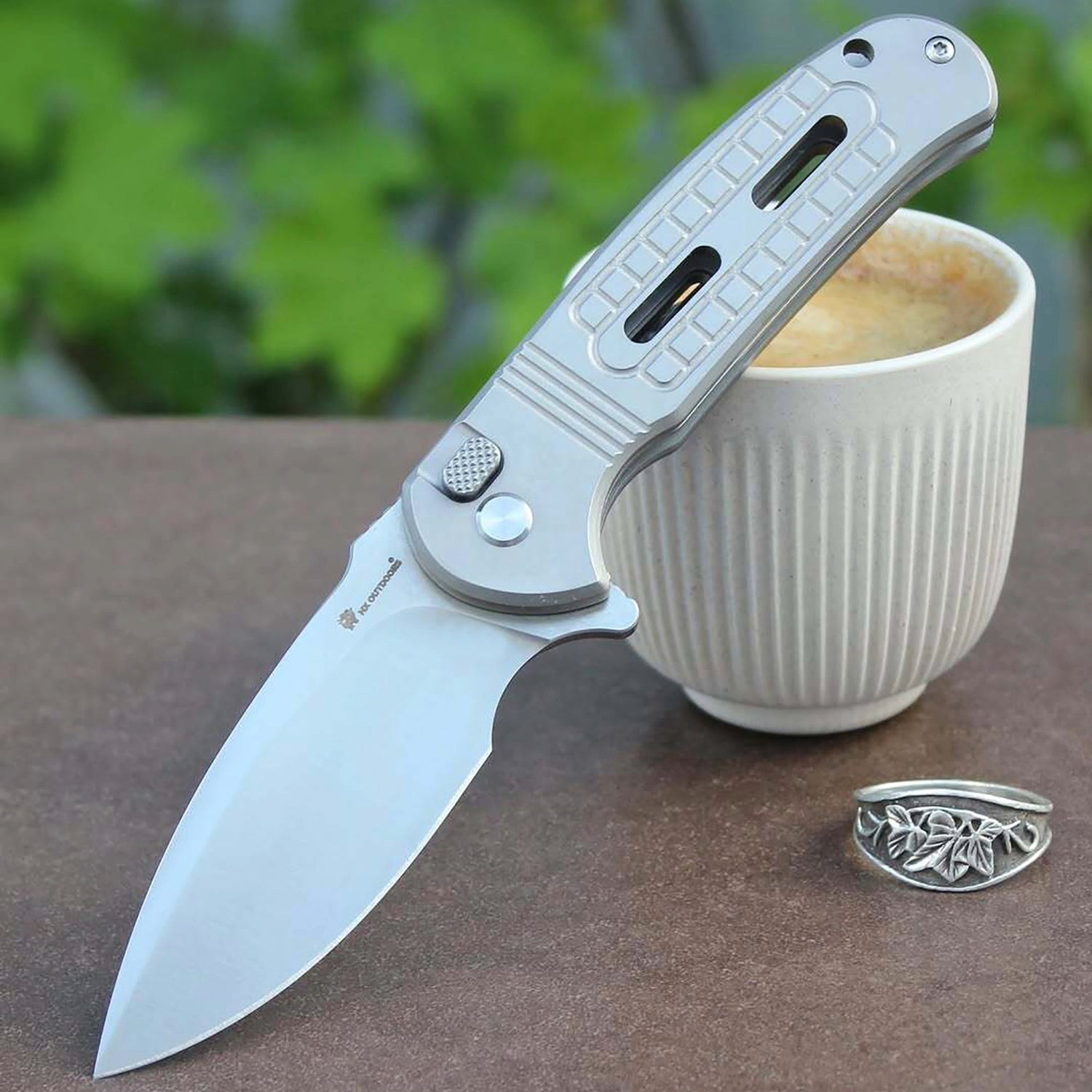
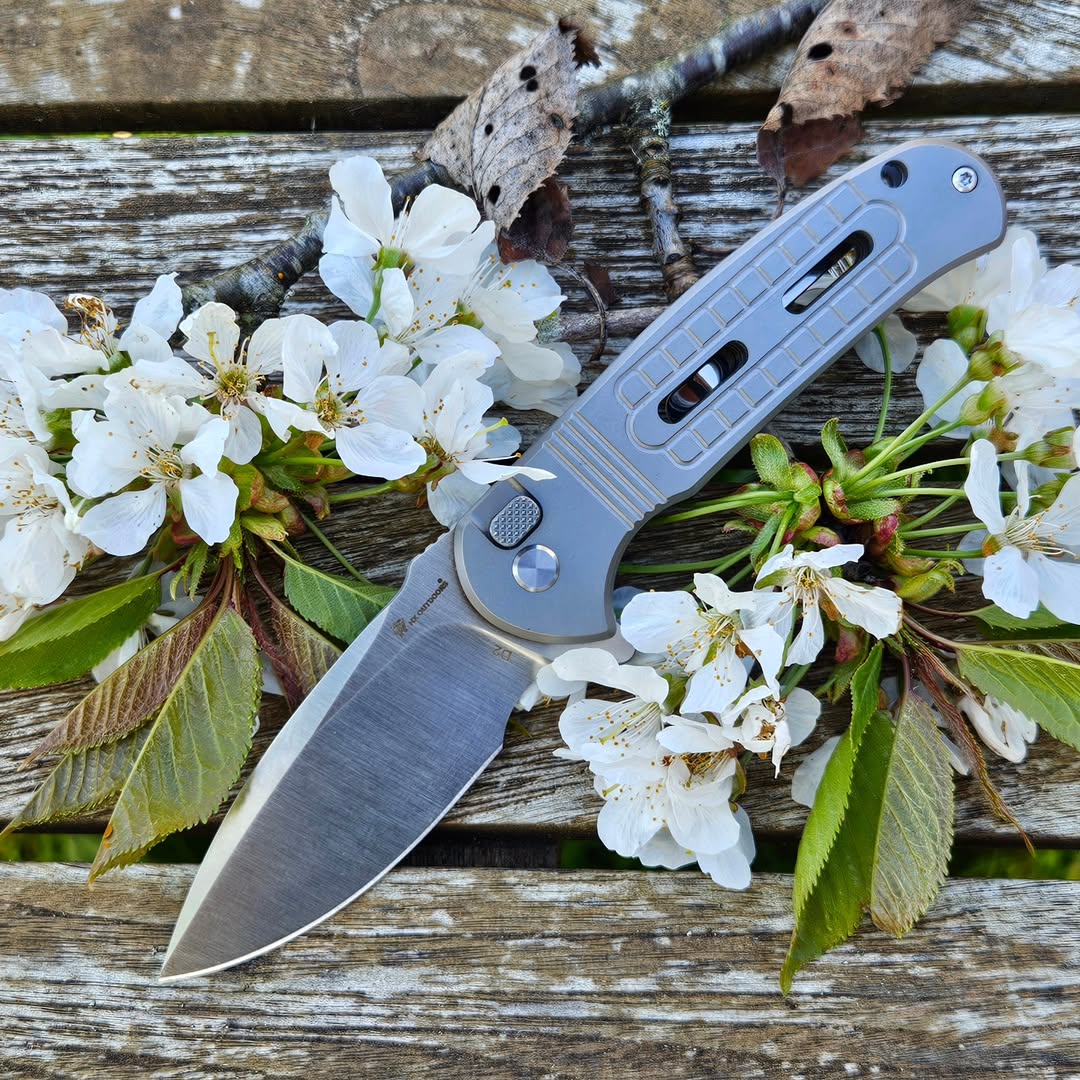
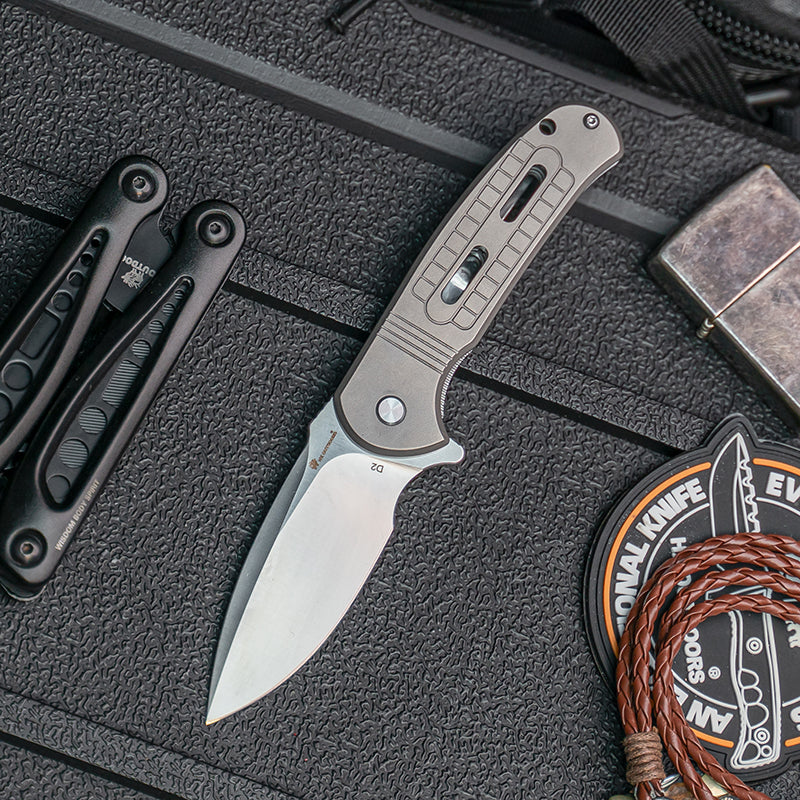
Every knife steel is a trade-off between four core properties: edge retention, toughness, corrosion resistance, and ease of sharpening. No single steel excels in all areas — that’s why so many options exist and why knife enthusiasts continue to debate them. Understanding these differences helps you choose the right steel for your needs, whether for everyday carry, tactical use, or outdoor adventures. In this guide, we break down popular steels like D2, DC53, 14C28N, S35VN, 5Cr15MoV, and Damascus.
Our Experience at HX OUTDOORS
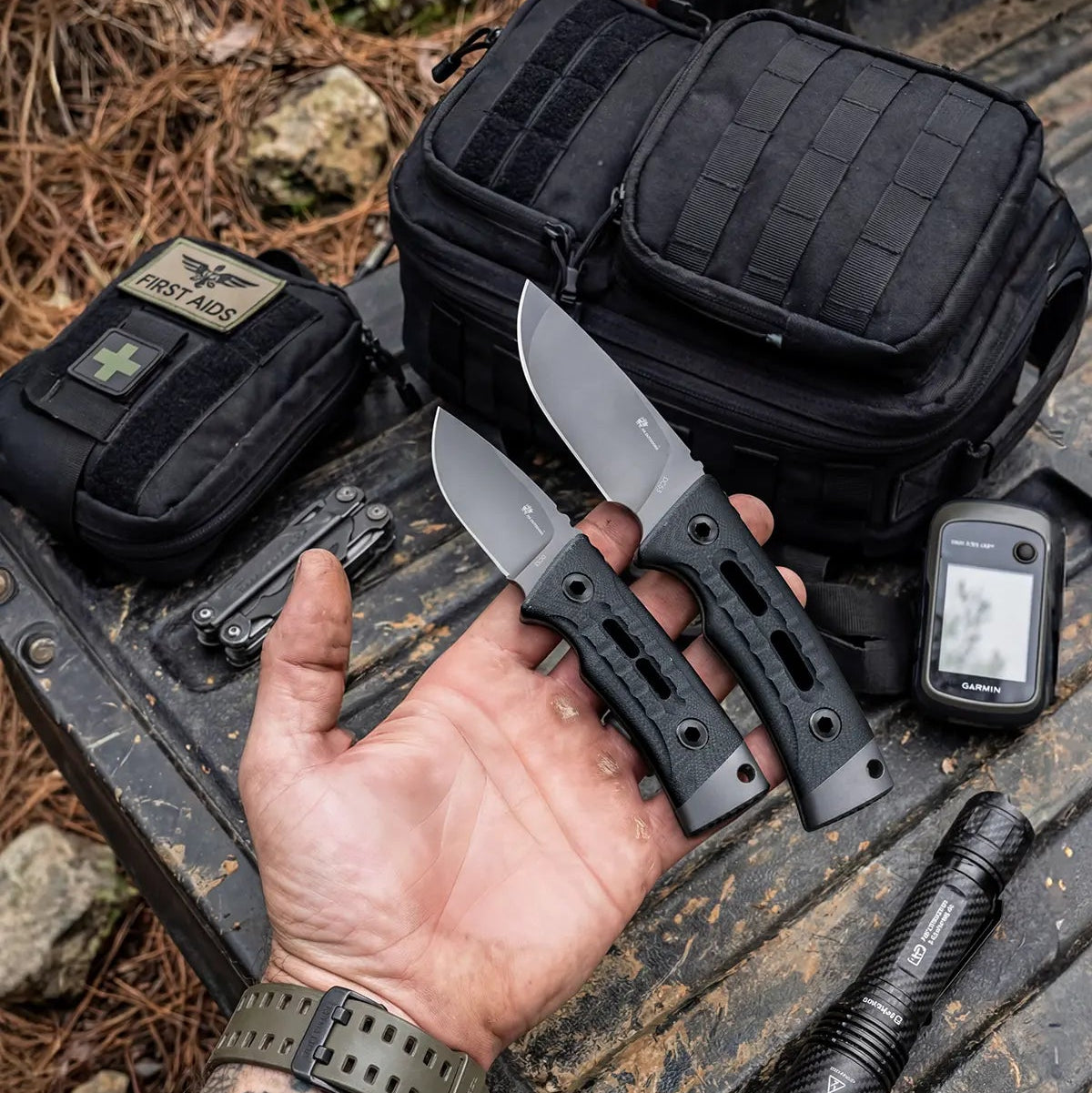
At HX OUTDOORS, steel selection is one of the most important parts of our product development process. We manufacture and test knives using a variety of steels, including D2, DC53, 14C28N, S35VN, and Damascus, evaluating their edge retention, toughness, corrosion resistance, and ease of maintenance under real-world cutting tasks such as cardboard, rope, wood, and outdoor camp use. While no steel is perfect for every application, our testing consistently shows that choosing the right steel depends more on the intended use than simply selecting the most expensive option.
1. D2 Steel-Budget–Mid Tier
The reliable workhorse. Affordable and proven.
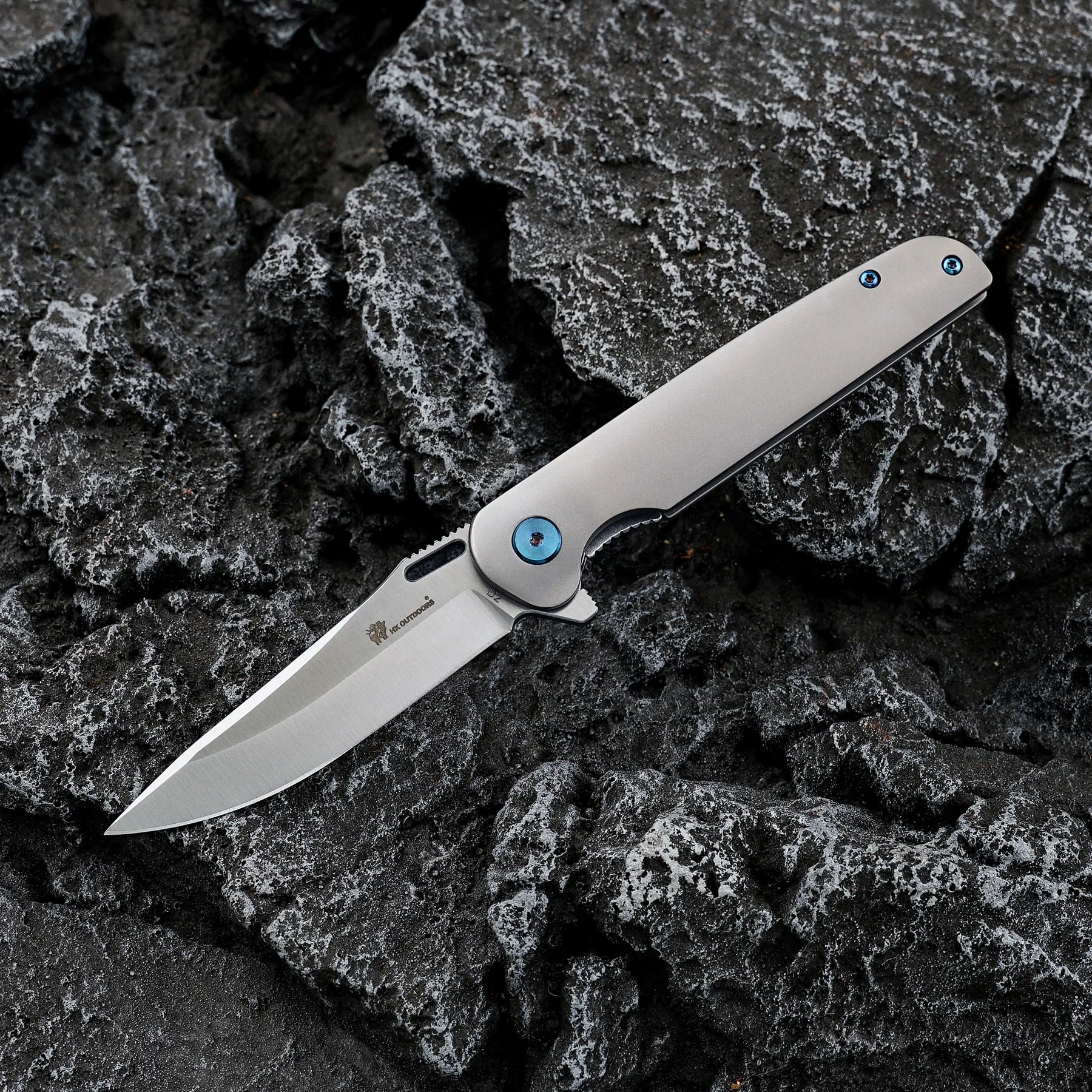
D2 is a classic tool steel originally designed for industrial cutting and shearing. It offers excellent abrasion resistance and solid edge retention, making it a favorite for everyday carry and gritty environments.
While not fully stainless, it provides decent corrosion resistance if maintained properly. Its main drawback is moderate toughness — it can chip under extreme lateral stress, so makers often adjust heat treatment for better balance.
D2 remains a budget-friendly choice that delivers reliable performance without breaking the bank.
2. DC53 Steel-Mid Tier
The upgraded D2 alternative. Better toughness and grindability.
DC53 is a Japanese cold-work tool steel often compared to D2 but with noticeable improvements. It features better toughness, easier sharpening, and slightly enhanced corrosion resistance thanks to its refined alloy composition (including chromium and molybdenum).
DC53 excels in wear resistance while being less prone to chipping than standard D2. It’s a great choice for users who want tool-steel performance with fewer compromises, especially in precision or heavy-duty folding knives.
3. 14C28N-Budget–Mid Tier
The budget overachiever. Outstanding balance for the price.
14C28N from Sweden is a stainless steel that punches well above its weight. It delivers excellent toughness, very good edge retention, and superior corrosion resistance — a rare combination in budget steels. Its fine carbide structure allows it to take and hold a scary-sharp edge while remaining easy to sharpen and highly rust-resistant.
Ideal for everyday users who want stainless performance without premium pricing. Think of it as a tougher, more corrosion-proof upgrade over basic stainless steels.
4. S35VN-Premium Tier
The balanced premium performer. Tougher and more refined.
CPM S35VN is a powder metallurgy stainless steel and an evolution of S30V. The addition of niobium improves toughness (roughly 20% better) and makes it easier to sharpen while maintaining strong edge retention and good corrosion resistance.
It offers an excellent all-around profile with no major weaknesses, making it a go-to for high-end production knives. Hardened typically to 59–62 HRC, S35VN shines in EDC, tactical, and outdoor applications.
5. 5Cr15MoV-Budget Tier
The everyday stainless workhorse. Simple, reliable, and corrosion-proof.
5Cr15MoV is a Chinese stainless steel similar to 420HC or entry-level 440A. It prioritizes excellent corrosion resistance and ease of sharpening, making it perfect for kitchen, marine, or humid environments.
While it has lower edge retention and wear resistance than premium steels, its high toughness and affordability make it ideal for beginners or high-volume users who sharpen frequently. It’s a no-fuss steel that gets the job done reliably.
6. Damascus Steel-Mid–Premium Tier
The artistic standout. Beauty meets functional performance.
Damascus (pattern-welded steel) consists of multiple layers of different steels forged together, creating its signature wavy patterns. Performance depends on the core steels used (often high-carbon or stainless blends), but it generally offers good edge retention and toughness.
Modern Damascus is often acid-etched for aesthetics while delivering solid cutting ability. It’s more expensive due to the labor-intensive process and is favored by collectors and those who value unique visuals alongside functionality. Note: Purely aesthetic Damascus may sacrifice some practical performance for looks.
Steel Showdown: Making the Right Choice
To help you decide which steel fits your specific needs, we’ve broken down two of the most common debates in the knife world.
D2 vs. 14C28N: The “Tool Steel” vs. “Stainless” Dilemma
Choosing between these two depends entirely on your environment.
The Difference: D2 is a tool steel that offers superior edge retention and “bite” for abrasive tasks, but it requires regular care to prevent rust. 14C28N, on the other hand, is a true stainless steel designed for maximum corrosion resistance.
The Verdict: If you live in a coastal area, a humid climate, or use your knife near food/water, 14C28N is the clear winner for its “set it and forget it” maintenance. However, if you are working in a shop or dry climate and prioritize maximum time between sharpenings, D2 remains a legendary workhorse.
D2 vs. DC53: The Classic vs. The Evolution
This is often seen as a battle between traditional performance and modern metallurgy.
The Difference: While D2 is the industry standard for value-based tool steel, DC53 is essentially a refined, high-performance version of D2. DC53 was specifically engineered to address D2’s main weakness: brittleness. It has a finer grain structure, which leads to better toughness and significantly fewer micro-chips during heavy use.
The Verdict: If you are frustrated by your D2 blades chipping or breaking when pushed hard, DC53 is the superior upgrade. It provides all the hardness and wear resistance of D2, but with the added reliability of a much more forgiving edge. It is the perfect choice for a “hard-use” folder or a fixed blade intended for rugged tasks.
Quick Comparison Chart
| Steel | Edge Retention | Toughness | Corrosion Resistance | Ease of Sharpening |
|---|---|---|---|---|
| D2 | Medium-Good | Medium | Low–Medium | Medium |
| DC53 | Good | Good | Medium | Good |
| 14C28N | Good | Good–High | Excellent | Excellent |
| S35VN | Good–Excellent | Good–High | Good–Excellent | Good |
| 5Cr15MoV | Low–Medium | High | Excellent | Excellent |
| Damascus | Medium–Good | Medium–Good | Varies (depends on layers) | Medium |
Knife Blade Maintenance Tips
Proper maintenance keeps your blade performing at its best and extends its lifespan significantly.
After every use, clean the blade with warm water and mild soap to remove dirt, residue, or acids. Dry it thoroughly with a soft cloth — moisture is the enemy of all steels, especially D2 and Damascus.
Apply a light coat of knife oil (such as mineral oil or dedicated blade oil) to prevent rust and keep the surface protected.
Sharpen regularly using appropriate tools: water stones or ceramic rods work well for most steels, while high-end options like S35VN or MagnaCut may benefit from diamond sharpeners.
Avoid dishwashers, as the heat and harsh detergents can damage handles and accelerate corrosion. Store knives in a dry place, ideally with a sheath or blade guard.
For Damascus blades, pay extra attention to the layered patterns, as they can trap moisture if neglected. A few minutes of care after use will keep your knife sharp, safe, and reliable for years.
Q&A (Frequently Asked Questions)
Q1: Which steel is best for beginners or budget buyers?
A: 14C28N or 5Cr15MoV. They offer great corrosion resistance and are easy to sharpen, forgiving for new users.
Q2: What steel should I choose for hard-use or tactical knives?
A: S35VN or DC53. They balance edge retention with improved toughness for demanding tasks.
Q3: Is Damascus steel just for show?
A: Not necessarily. While prized for its beauty, quality Damascus performs well, especially when made with high-performing core steels. It’s a premium option for those who want both function and art.
Q4: How important is heat treatment compared to steel type?
A: Extremely important. Even the best steel can underperform with poor heat treatment. Always consider the maker’s reputation.
Q5: Which steel resists rust the best?
A: 5Cr15MoV and 14C28N excel here, making them ideal for wet conditions or low-maintenance carry.
Q6: Should I prioritize edge retention or toughness?
A: It depends on your use. For slicing and EDC, lean toward edge retention (S35VN). For chopping or rough work, prioritize toughness (DC53 or 14C28N).
Ready to upgrade your gear?
Visit https://www.hxoutdoors.com/ for high-quality knives featuring reliable steels like D2, 14C28N, S35VN, and more. Explore our collection of tactical, EDC, and outdoor blades built for real-world performance.

Dejar un comentario
Todos los comentarios se revisan antes de su publicación.
Este sitio está protegido por hCaptcha y se aplican la Política de privacidad de hCaptcha y los Términos del servicio.