

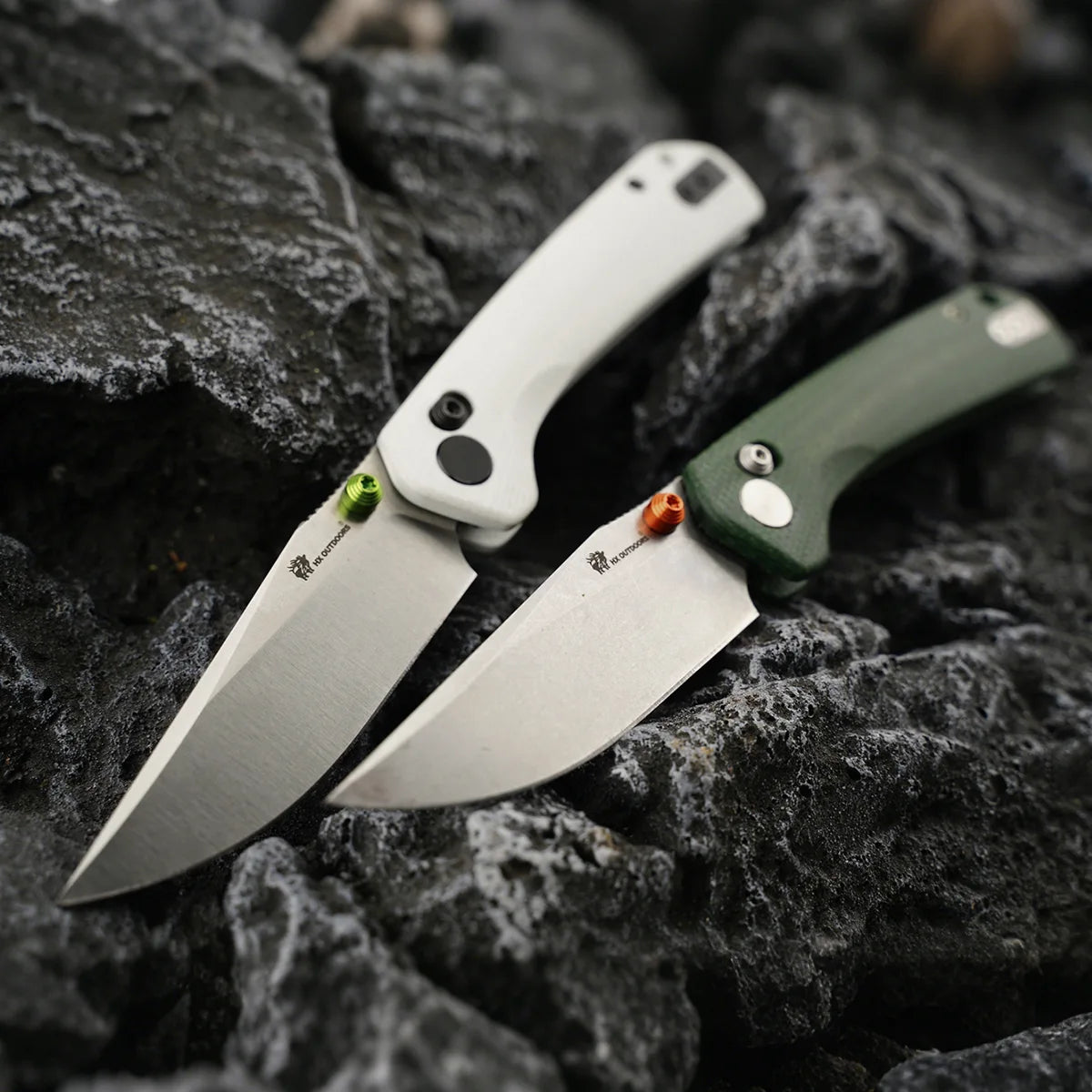
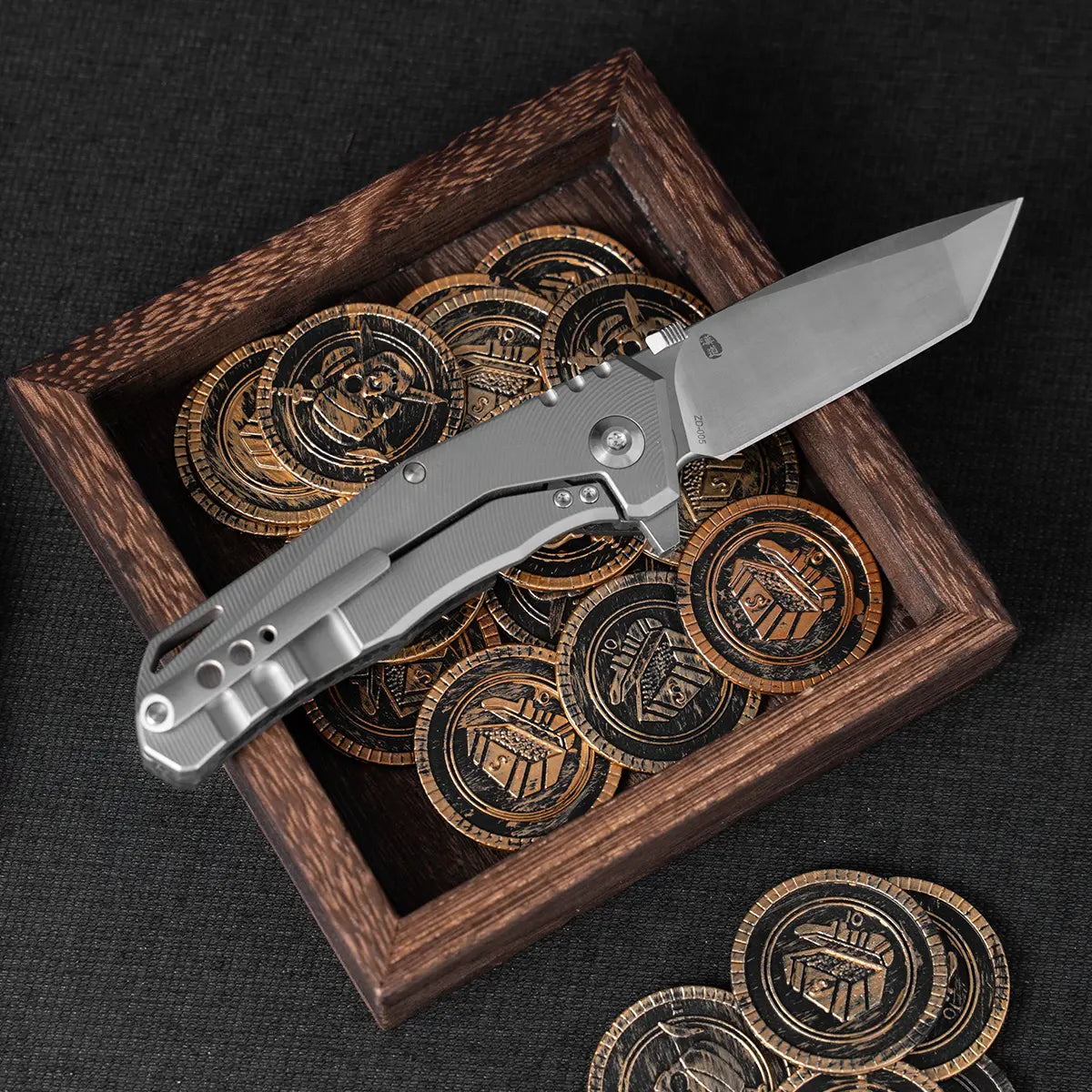
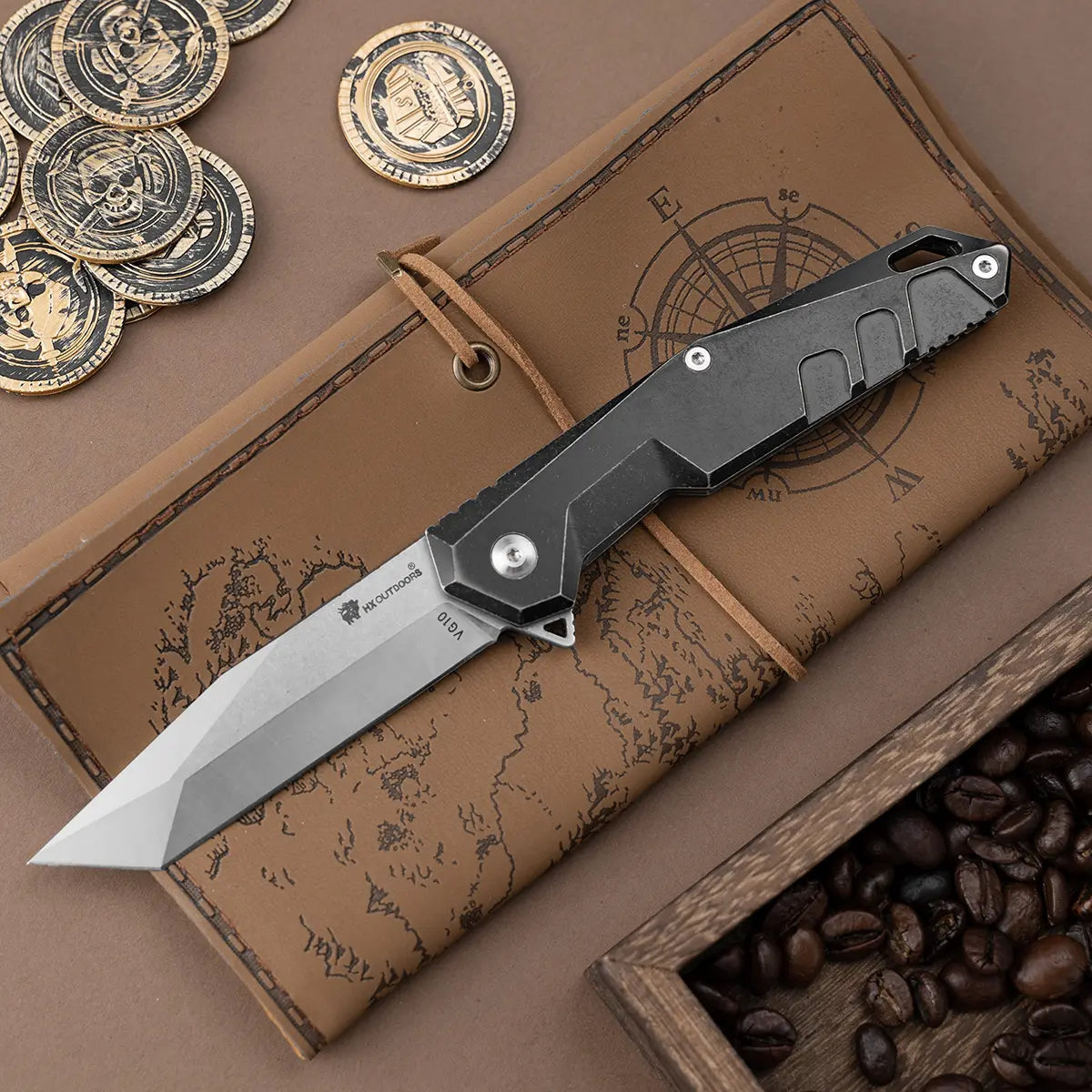
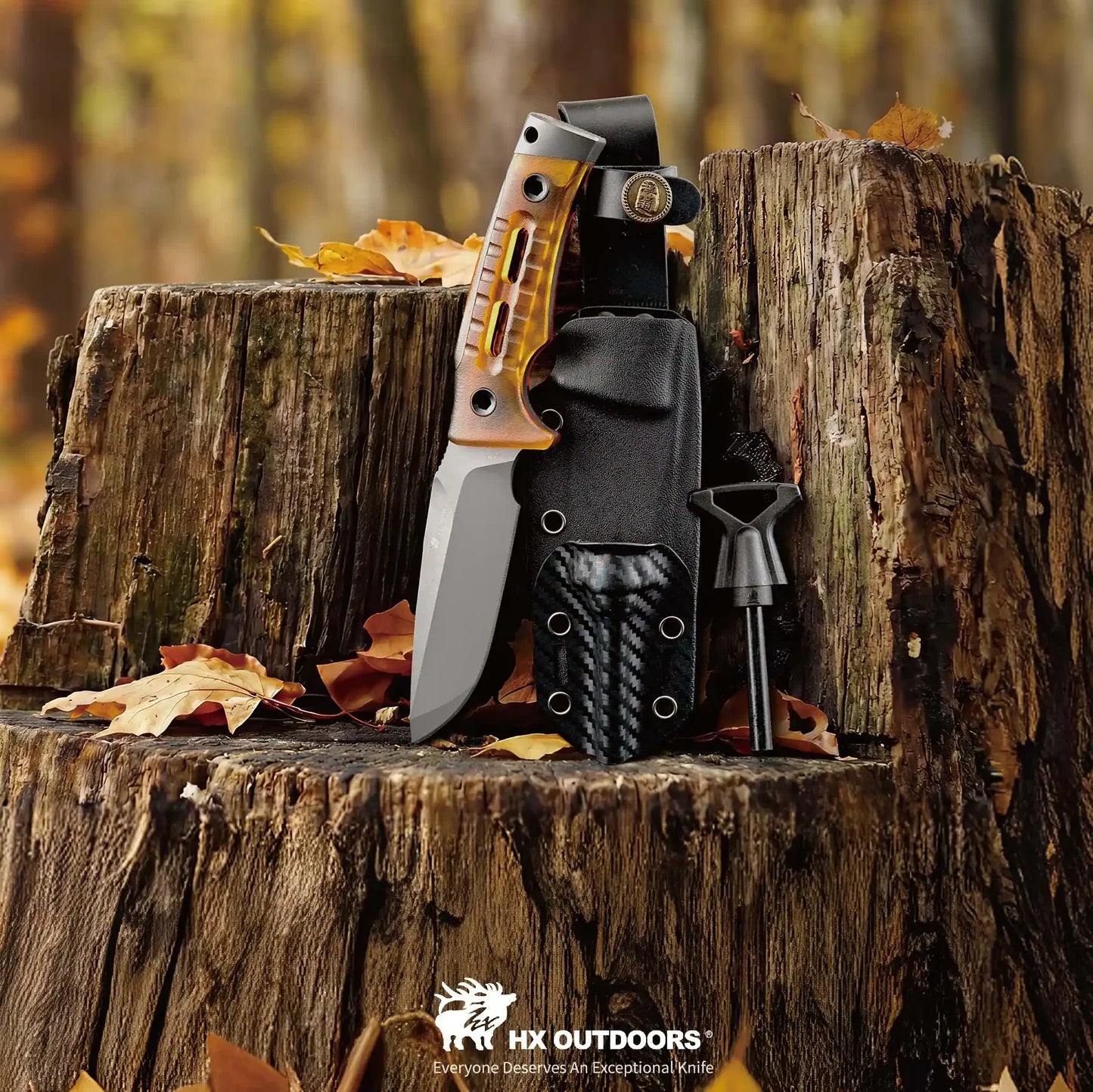
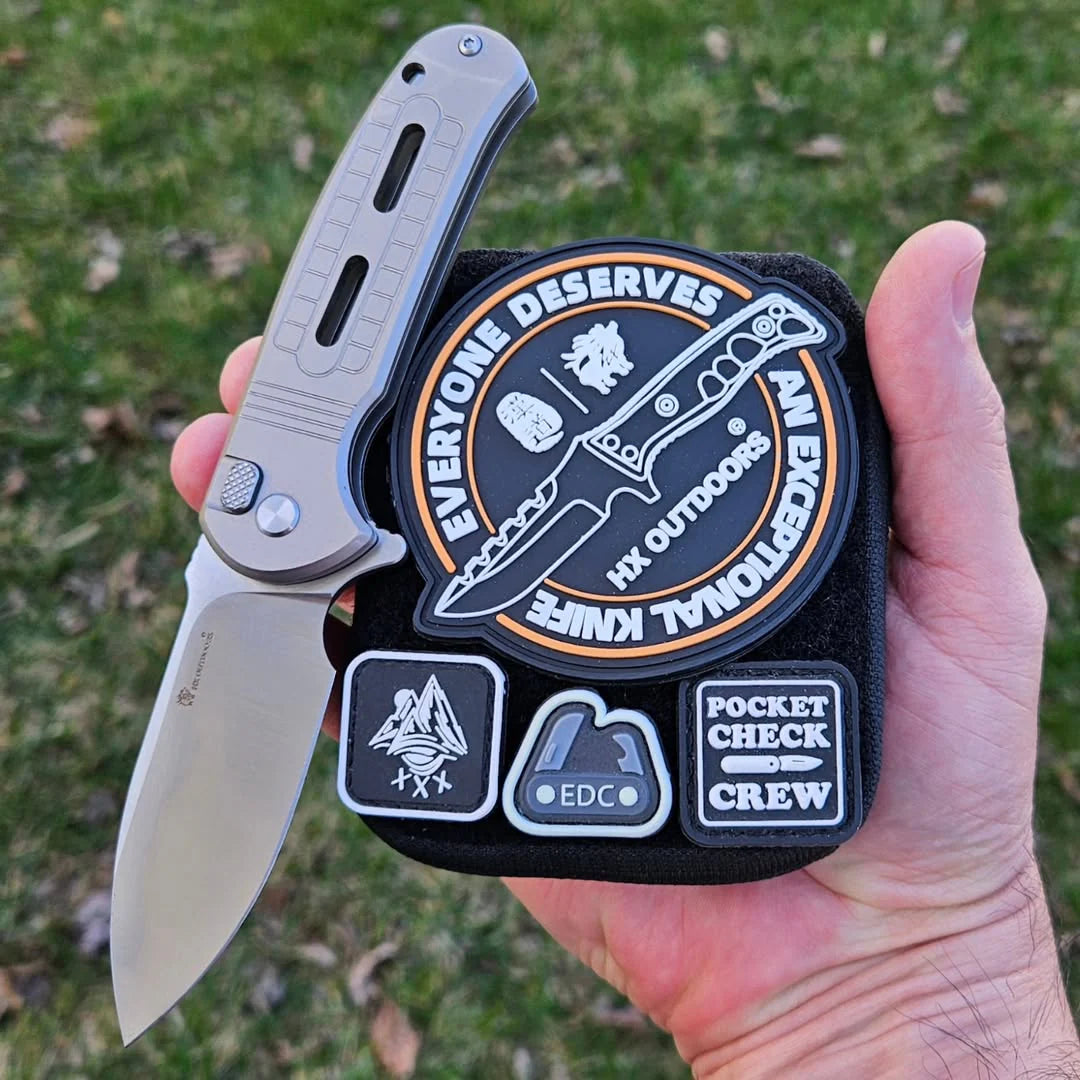
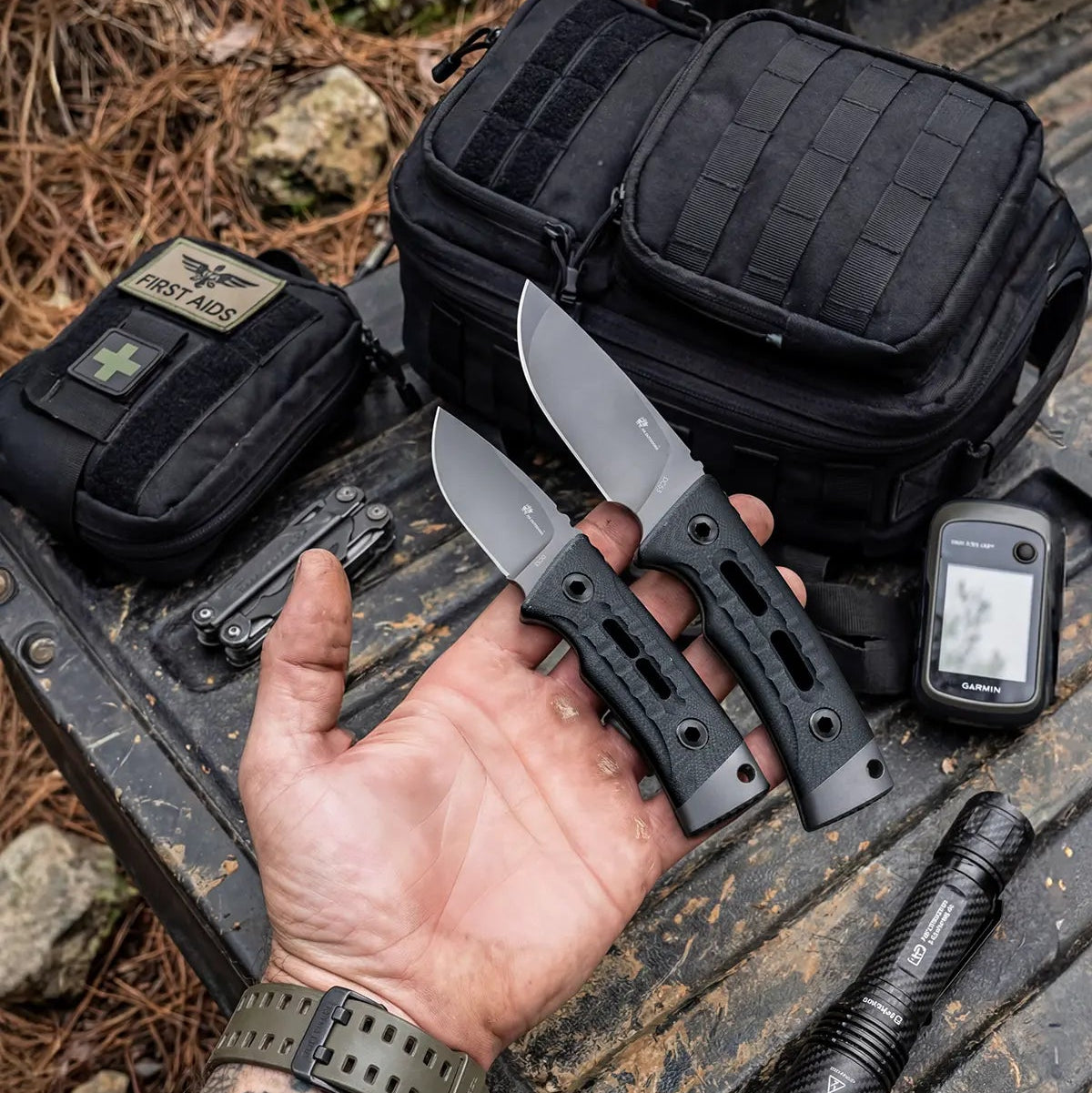



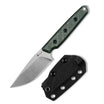
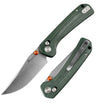
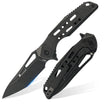
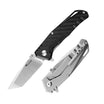
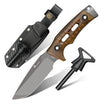
In the world of EDC (Everyday Carry), few tools are as iconic or as practical as the folding knife. Whether you’re opening packages, cutting paracord, or handling minor DIY tasks, a reliable pocket knife is an extension of your capability. But with thousands of options on the market, how do you choose the right one?
1. What is an Everyday Carry Knife?
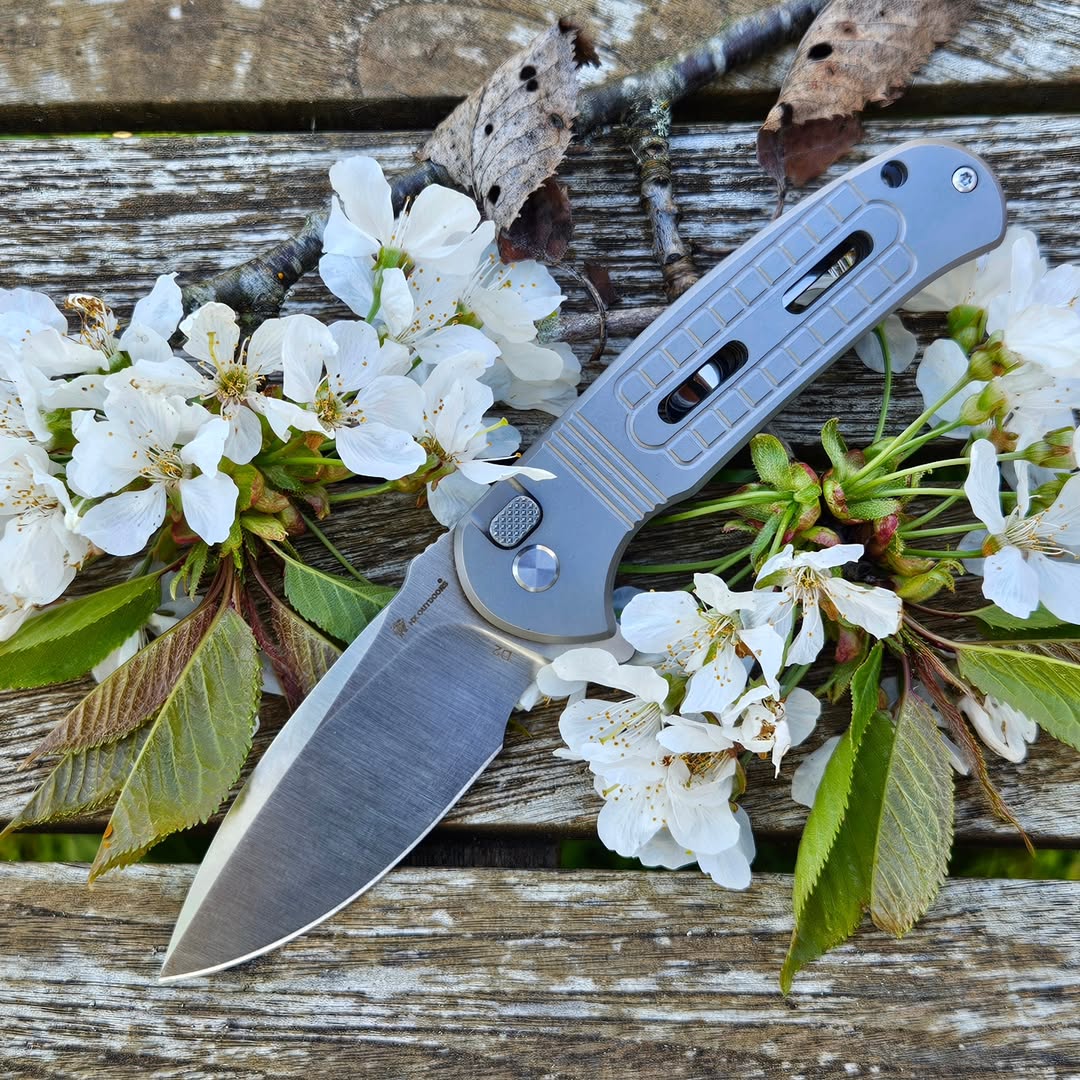
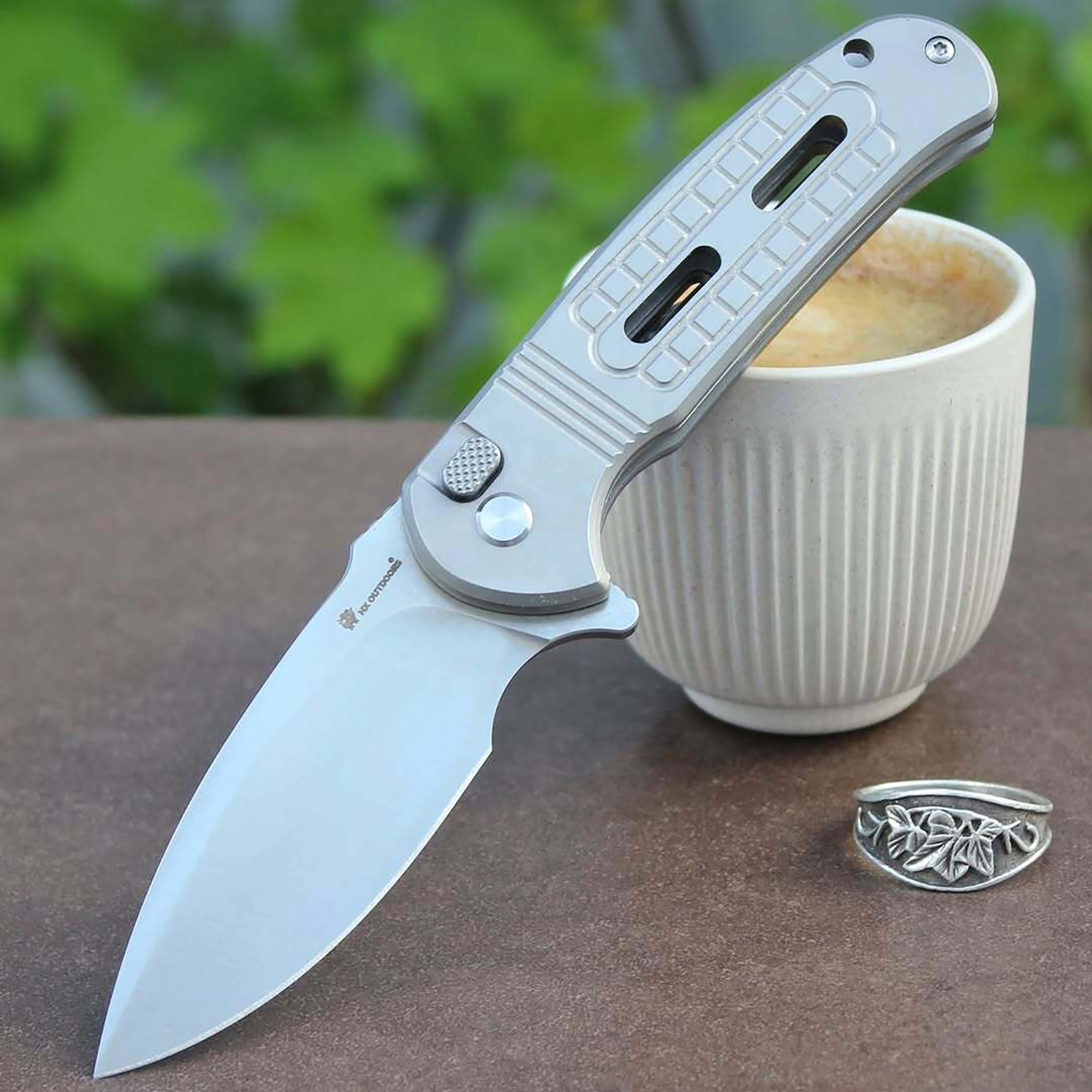
An EDC knife is a folding knife designed to be carried and used every single day. It is typically smaller, lighter, and more discreet than large fixed-blade or outdoor knives, making it ideal for the small but frequent cutting tasks you encounter in daily life.
2. Why do people carry EDC knives?
People carry EDC knives for three main reasons: quick-access utility, preparedness, and personal style.
A good pocket knife delivers surprising utility throughout the day. Most people who try carrying one for a week quickly realize how often they reach for it. It’s a small tool that makes everyday life smoother and leaves you just a little more prepared for whatever comes up.
The best part? It’s rarely a burden. Popular lightweight weigh less than many pens and disappear comfortably in your pocket.
3. How to Pick an EDC Knife
With thousands of folding knives available, narrowing down your choice comes down to answering a few key questions about your needs and lifestyle.
- What am I legally allowed to carry?
Knife laws vary significantly by country, state, and even city. Blade length restrictions, assisted-opening mechanisms, and locking features can all matter. Always check local regulations so you can carry confidently without legal issues.
- What is your budget?
EDC knives range from affordable daily beaters (20–50) to premium pieces (150–500+). The 100–200 range often offers the best balance of quality materials (like premium steels and durable G-10 handles), solid construction, and reliable performance.
- What type of cutting tasks do you typically perform?
Consider your daily tasks. Office workers might prefer a slim, refined blade, while tradespeople or outdoor enthusiasts may want thicker, tougher blades with excellent edge retention. Matching the knife to your real-world needs ensures it stays useful.
-How can I take care of my knife?
Keep it clean, lightly lubricated, and sharp. A few drops of oil on the pivot and occasional stropping or sharpening will keep most quality knives performing well for years. Store it dry and avoid extreme prolonged moisture if possible.
4. Anatomy of a Perfect EDC
A great EDC knife isn’t just about the blade; it’s about how it carries in your pocket:
Weight: Ideally, an EDC should disappear in your pocket until you need it.
Pocket Clip: Look for “Deep Carry” clips. These allow the knife to sit flush with the top of your pocket, making it more discreet and preventing it from snagging on door frames.
Ergonomics: It should feel natural in your hand, with no “hot spots” (sharp edges that dig into your palm during hard use).
5. You Should Carry an EDC Knife
It doesn’t have to be big or fancy — just reliable, comfortable, and ready when you need it.
Beyond the practical side, it also adds a touch of personality and character to your everyday carry. Knives are genuinely cool tools, and once you start carrying one, you’ll understand why people have relied on them for centuries. They’re simple, effective, and incredibly satisfying to use.
Start with something that fits your lifestyle, carry it consistently, and enjoy the extra capability it brings to ordinary moments.
FAQ: Common EDC Knife Questions
Q: Is a smaller knife better for EDC?
A: Generally, yes. A 3-inch blade is considered the “sweet spot”—large enough for most tasks but small enough to be legal in most jurisdictions and comfortable for daily carry.
Q: How often should I sharpen my EDC knife?
A: Don’t wait until it’s dull. Use a honing rod or a strop regularly to “touch up” the edge. If you wait until it’s completely blunt, the sharpening process takes much longer and removes more material.
Q: Are expensive knives always better?
A: Not necessarily. While premium materials (like Titanium or Super-Steels) cost more, the best knife is the one that fits your budget and specific needs. Reliability is more important than price tag.

Dejar un comentario
Todos los comentarios se revisan antes de su publicación.
Este sitio está protegido por hCaptcha y se aplican la Política de privacidad de hCaptcha y los Términos del servicio.