




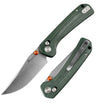
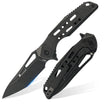
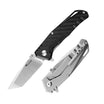
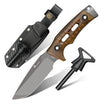
-Why is G10 the Gold Standard for Knife Handles?
With so many knife options, how do you begin to consider which knife will best suit you? When buying a knife, the blade and the handle are two factors in question. While the blade is what makes a knife, the handle is equally as crucial, as that’s what you are in contact with the most. From titanium and micarta to aluminum and carbon fiber, how do you determine the best knife handle material? While all the materials listed above are excellent, G10 separates itself from the pack with how consistently reliable it can truly be.
-Why Are So Many Knife Handles Made of G10?
With a plethora of options to choose from for a knife handle, why go with G10? Why do companies like Benchmade, Spyderco, and Zero Tolerance rely on it so heavily? One of the main reasons is its incredible versatility and performance-to-cost ratio. G10 is a high-pressure fiberglass laminate, created by soaking glass cloth in epoxy resin and compressing it under heat. Because it is essentially a “composite,” it can be manufactured with extreme precision. The knife community often views G10 as the reliable workhorse—it’s tough, grippy, and virtually immune to the environments that would destroy other materials.
-Pros & Cons of G10 Handles
Pros:
Superior Durability: G10 is incredibly strong. It does not warp, shrink, or crack under extreme pressure. Unlike metals that can dent, G10 is rigid and impact-resistant, making it perfect for hard-use survival or tactical knives.
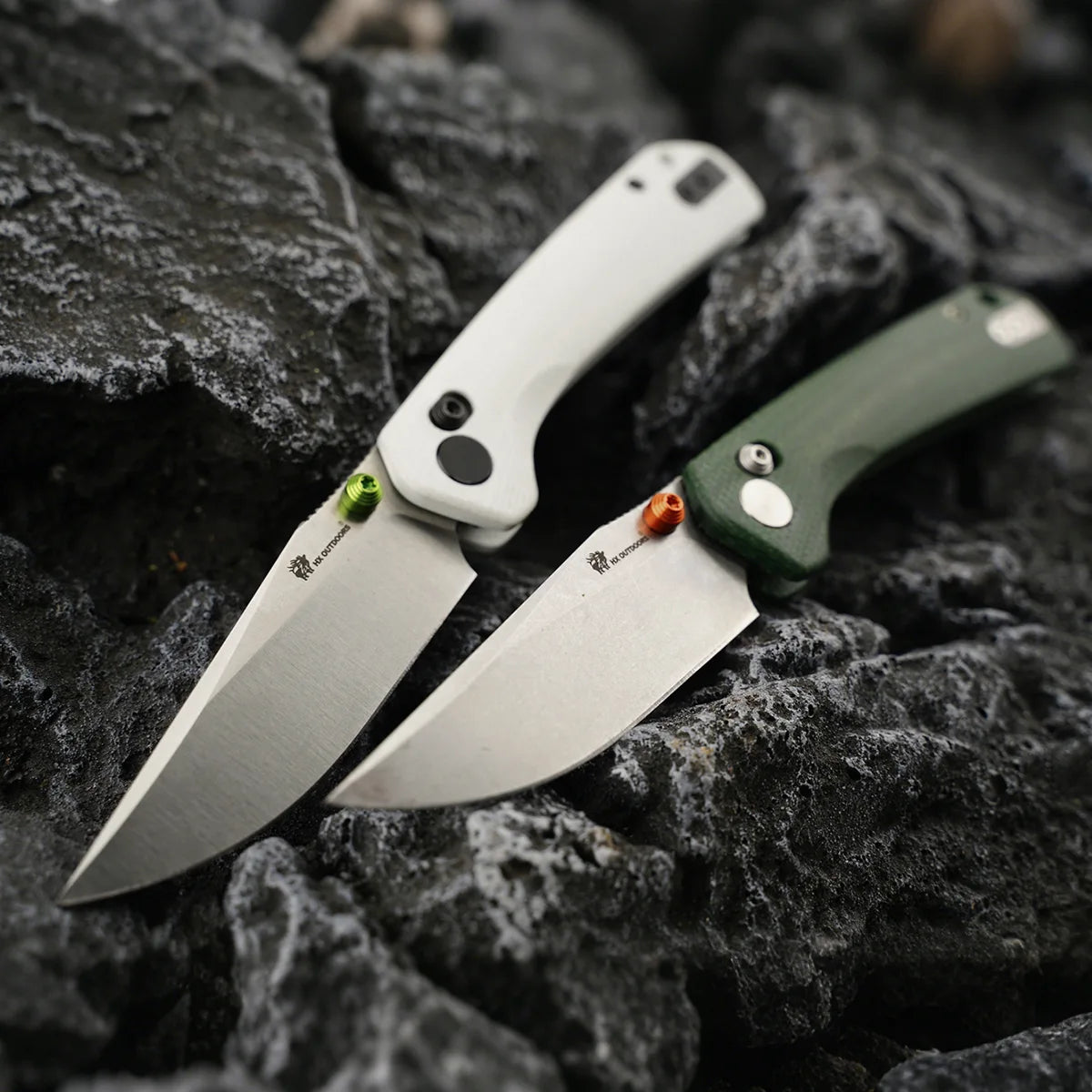
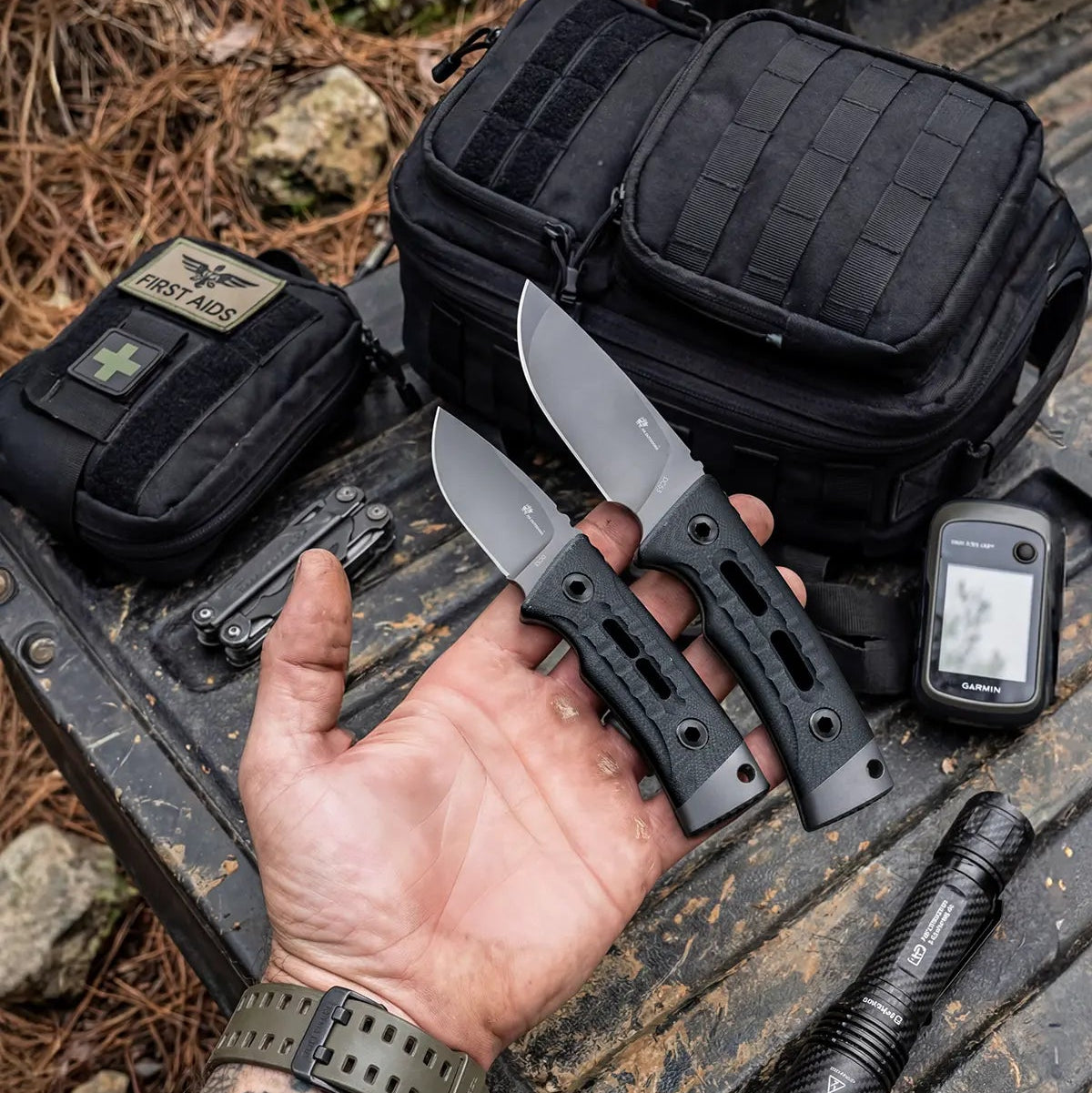
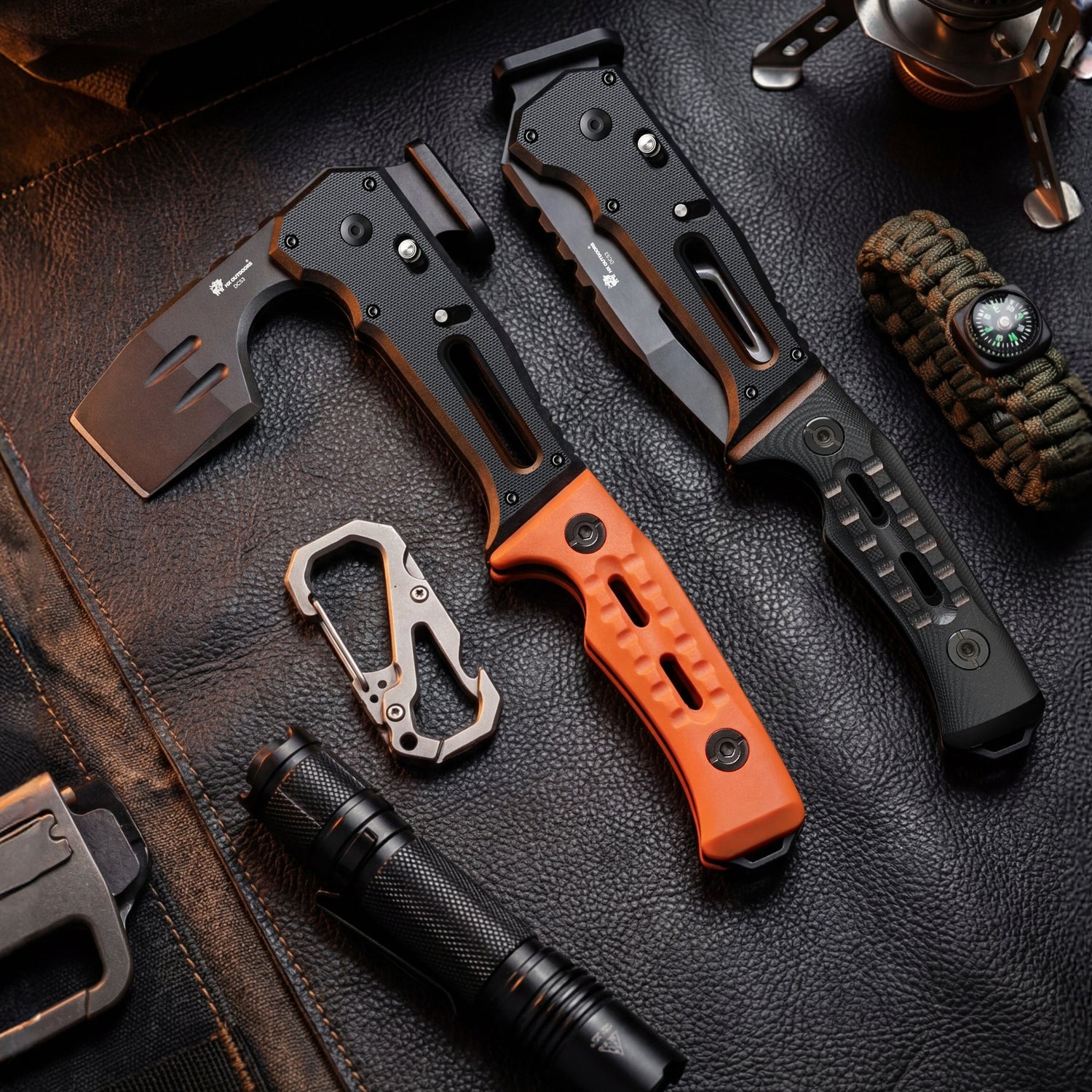
The “Grip” Factor: One of G10’s greatest assets is its texture. During the manufacturing process, the material can be machined with various patterns—like “sunburst” or “checkering”—that provide a rock-solid grip even when your hands are wet or oily.
Chemical and Thermal Resistance: G10 is largely inert. It is non-porous and highly resistant to chemicals, solvents, and fuels. Furthermore, it doesn’t suffer from the thermal conductivity issues of metal; it stays a neutral, comfortable temperature regardless of whether you are in freezing snow or sweltering heat.
Design Flexibility: G10 can be dyed in almost any color or layered in contrasting colors (multi-colored G10). When a maker sands or machines the edges, those layers are revealed, creating unique topographical patterns that are both functional and visually striking.
Cons:
Abrasiveness: Because G10 is essentially glass-reinforced plastic, it can be quite aggressive. A deep-carry pocket clip pressing against a rough G10 scale can act like sandpaper on your pocket seam, causing premature wear on your jeans.
Machining Challenges: While it’s a dream to use, it’s a nightmare to machine. The fiberglass dust produced during grinding is hazardous and requires specialized ventilation equipment, which is why you’ll rarely see “home-brewed” G10 scales compared to wood or soft plastics.
Tactile “Plastic” Feel: For those who prefer the high-end, “hefty” feel of Titanium or the organic, warm touch of Micarta, G10 can sometimes feel a bit clinical or industrial. It lacks the “soul” or patina that natural materials develop over time.
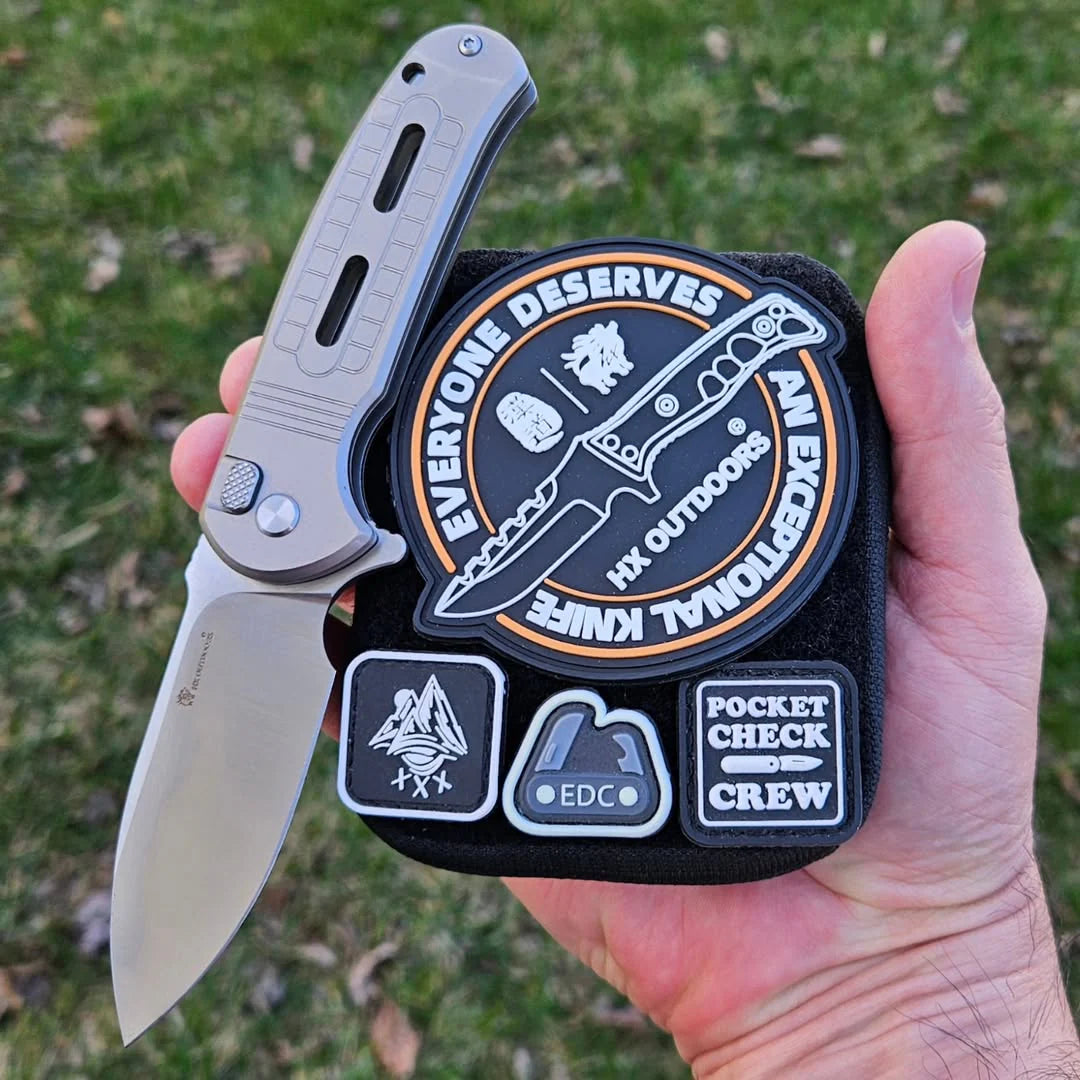
To determine the best type of G10 for your knife, it’s helpful to understand the different finishes available. The most common is “Peel-Ply” G10, which retains the texture of the original fabric weave, providing excellent traction. “Smooth” G10 is polished down to offer a sleeker aesthetic, often found on gentleman’s folders.
More recently, manufacturers have begun using “3D-Contoured” G10, where CNC machines carve ergonomic curves into the slabs, transforming a flat piece of fiberglass into a handle that perfectly matches the anatomy of your palm. Whether you prioritize pure grip or ergonomic comfort, there is a G10 variant engineered for the task.
G10 Comparison: How Does It Stack Up?
G10 vs. Micarta: While G-10 is synthetic and industrial, Micarta is organic and “wears in” over time, developing a unique patina. G-10 remains consistent, whereas Micarta gets grippier as it absorbs hand oils.
G10 vs. Carbon Fiber: Carbon fiber is lighter and more visually “premium,” but it can be brittle and slippery. G-10 offers better grip and higher impact resistance at a significantly lower price point.
G-10 vs. Aluminum: Aluminum is lightweight and feels solid, but it is prone to scratching and dents. G-10’s composite nature prevents deformation and provides superior grip in wet conditions.

FAQ: Frequently Asked Questions
Q: Is G-10 better than Titanium for knife handles?
A: Titanium is stronger and offers a high-end feel, but G-10 provides better grip, insulation, and is much more cost-effective. For hard-use tactical tasks, G-10 is often preferred.
Q: Will G-10 crack if I drop my knife?
A: Extremely unlikely. G-10 is a high-pressure laminate designed to be rigid and impact-resistant. It is far more durable than wood or standard plastics.
Q: Does G-10 wear out my pockets?
A: Yes, very aggressive “Peel-Ply” G-10 can be abrasive to pocket fabric. If you’re concerned about your jeans, look for knives with smooth G-10 or sanded areas under the clip.
Q: Does G-10 handle extreme weather well?
A: Yes. Because it is chemically inert and has low thermal conductivity, it stays comfortable in both freezing snow and high heat, unlike metal handles which can become painfully cold or hot.

G10 has established itself as the premier material for knife handles, striking an ideal balance between performance, durability, and cost. As a high-pressure fiberglass laminate, it offers exceptional resistance to impact, extreme temperatures, and chemical exposure, making it the reliable choice for hard-use and tactical blades.
Ultimately, G10 is the go-to material for those who prioritize a functional, weather-resistant, and high-performance tool over all else.

Dejar un comentario
Todos los comentarios se revisan antes de su publicación.
Este sitio está protegido por hCaptcha y se aplican la Política de privacidad de hCaptcha y los Términos del servicio.