



![[Exhibition Mystery Box] Shovel Edition - Display Sample](http://www.hxoutdoors.com/cdn/shop/files/8_d9080f6d-2af4-41f4-9361-46d53572e868.jpg?v=1787622405&width=104)
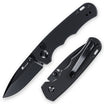

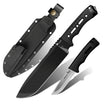
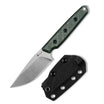


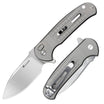
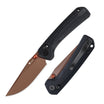
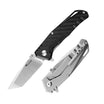


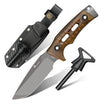
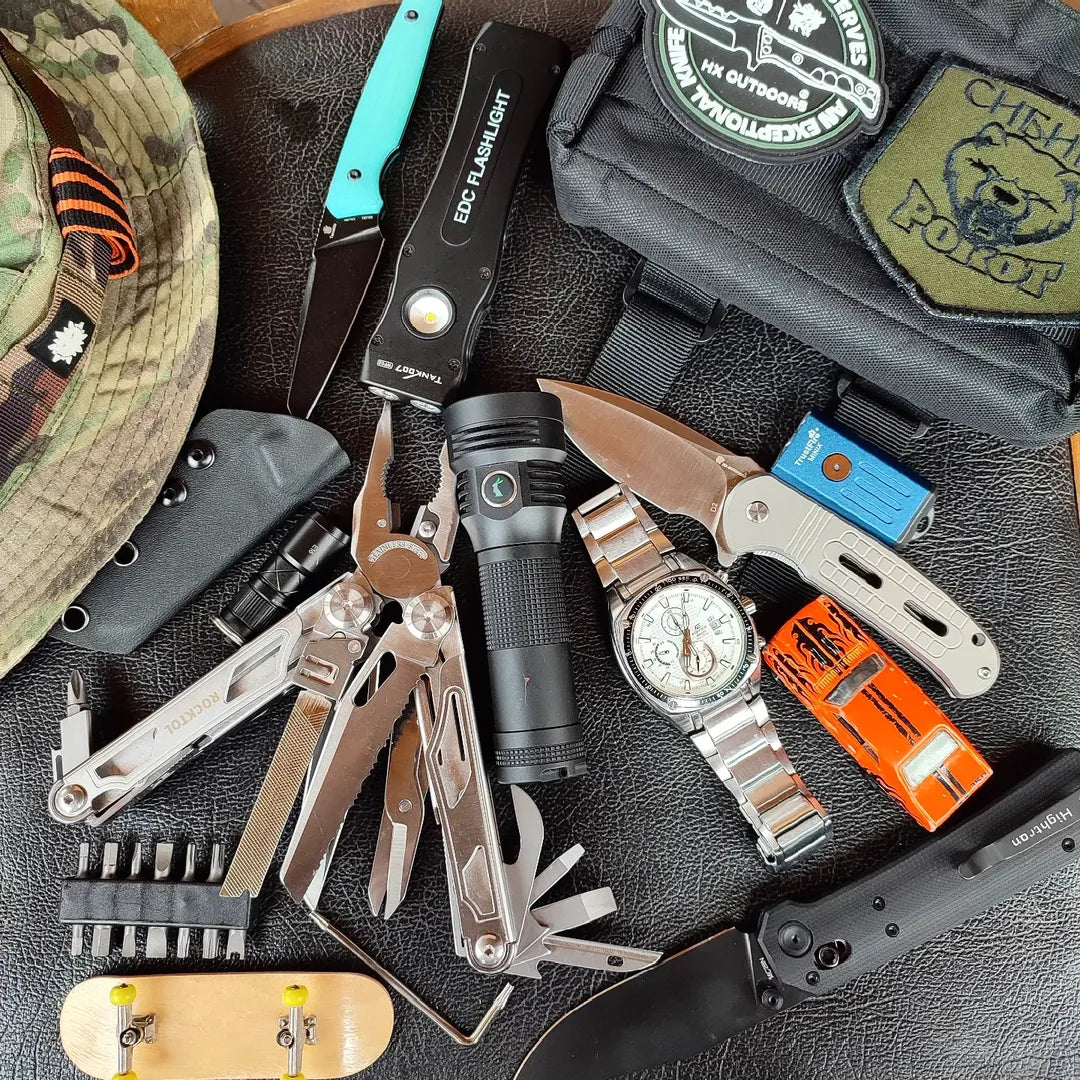
Knives come in all shapes and sizes. Some look boringly familiar; others look straight out of a tactical catalog or a custom maker’s wildest sketch. But no matter what your scout leader told you, every blade shape has a purpose.
In this article, I’ll break down every major blade style, what they’re good for, what they’re not so good for, and who might want one. Let’s jump right in!
Our Experience at HX OUTDOORS
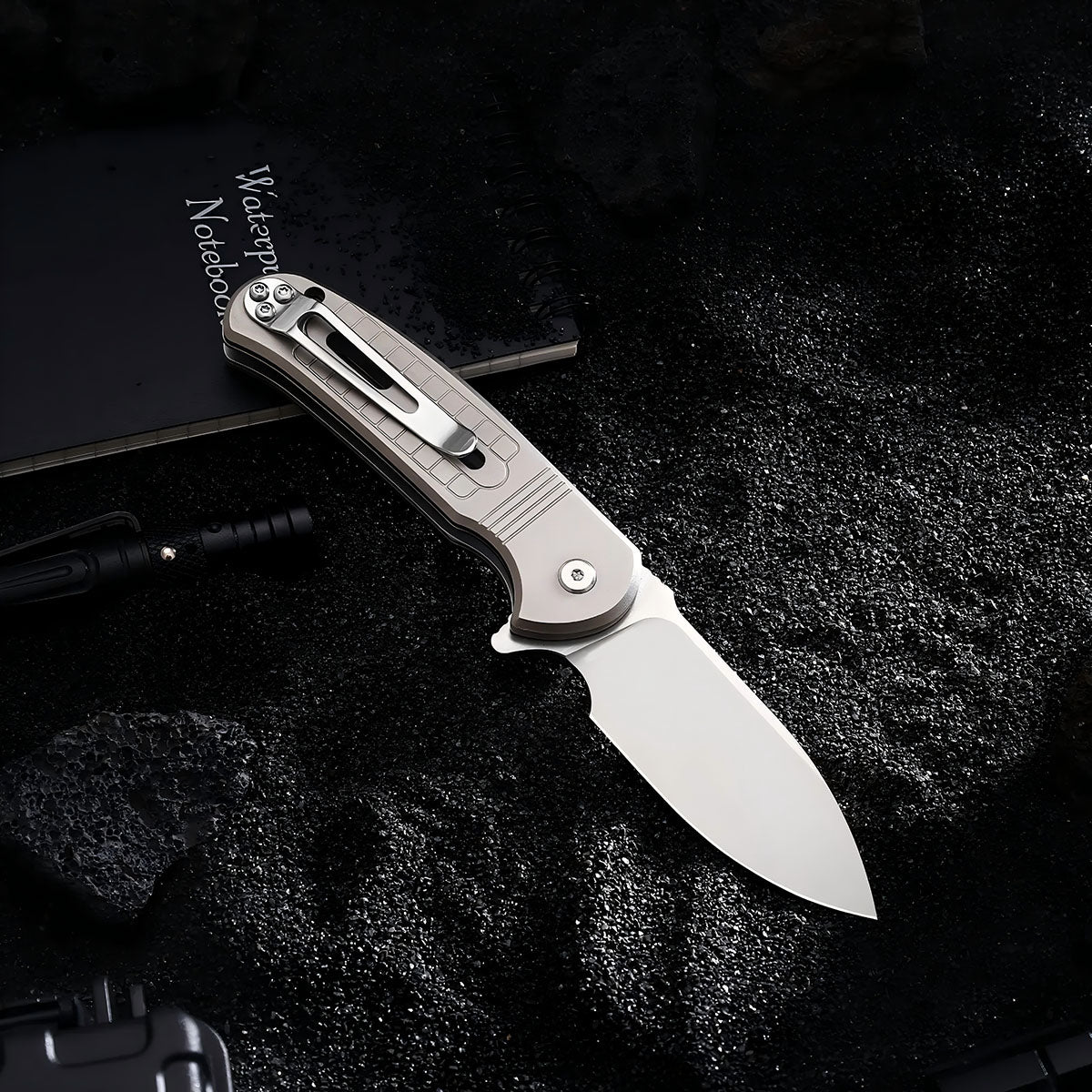
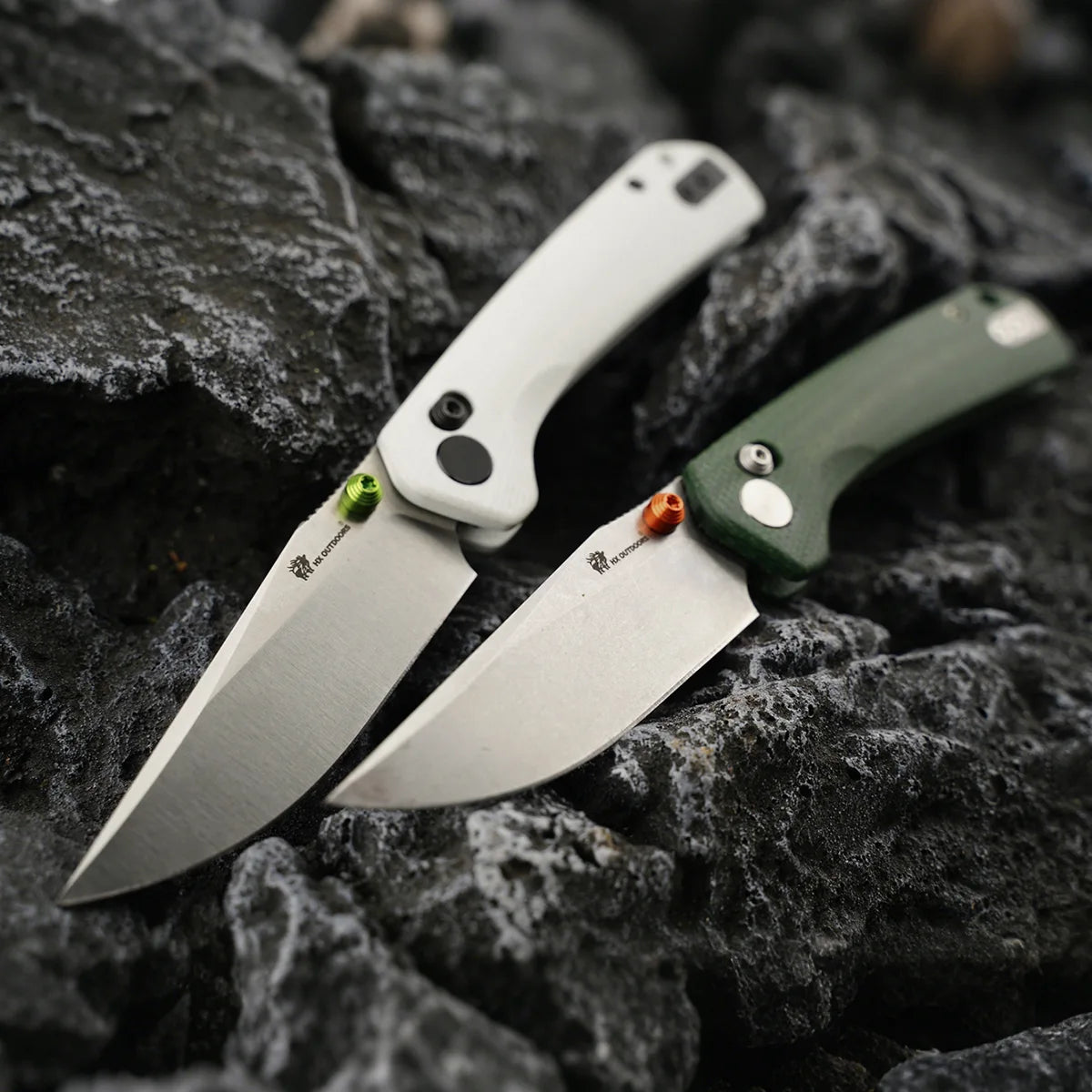
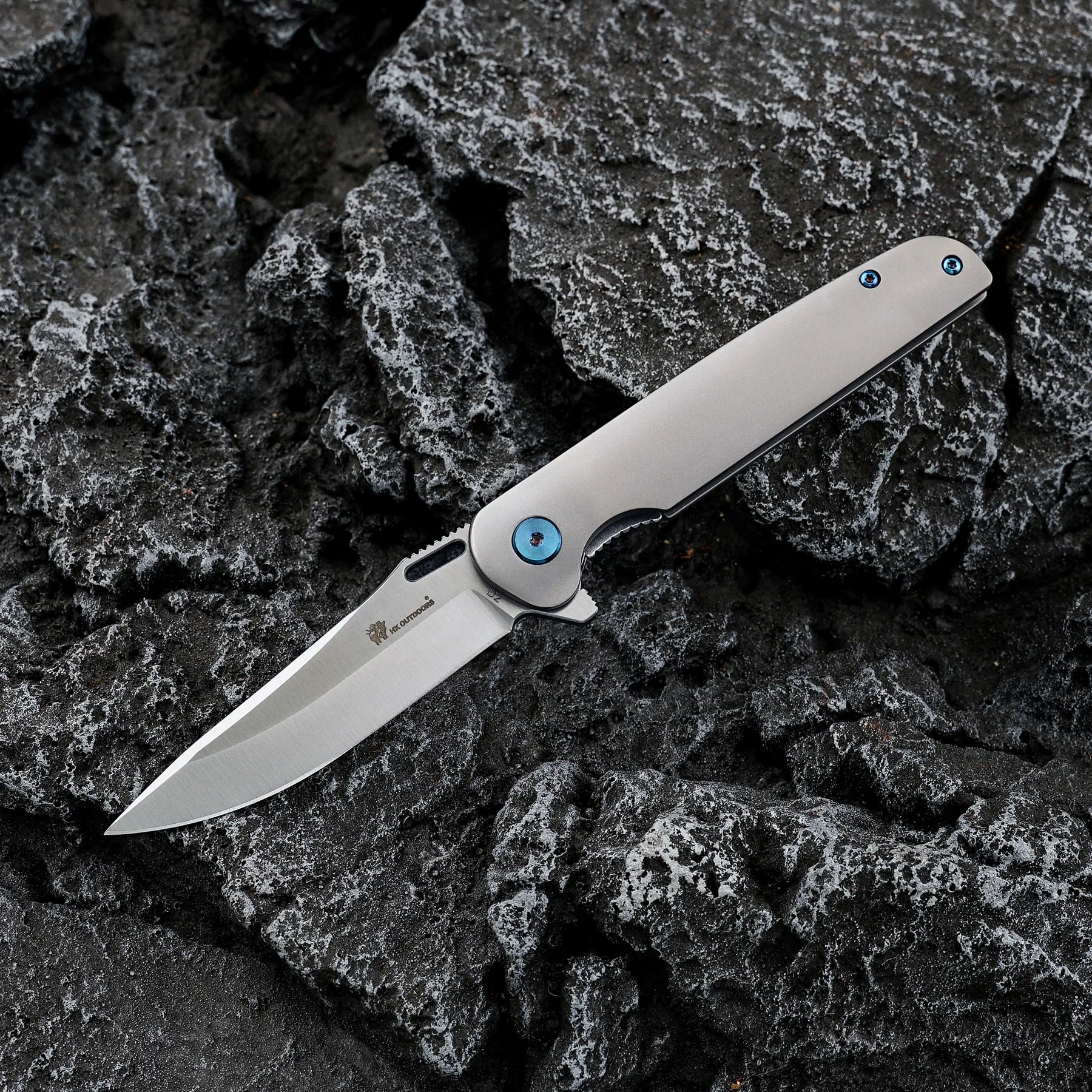
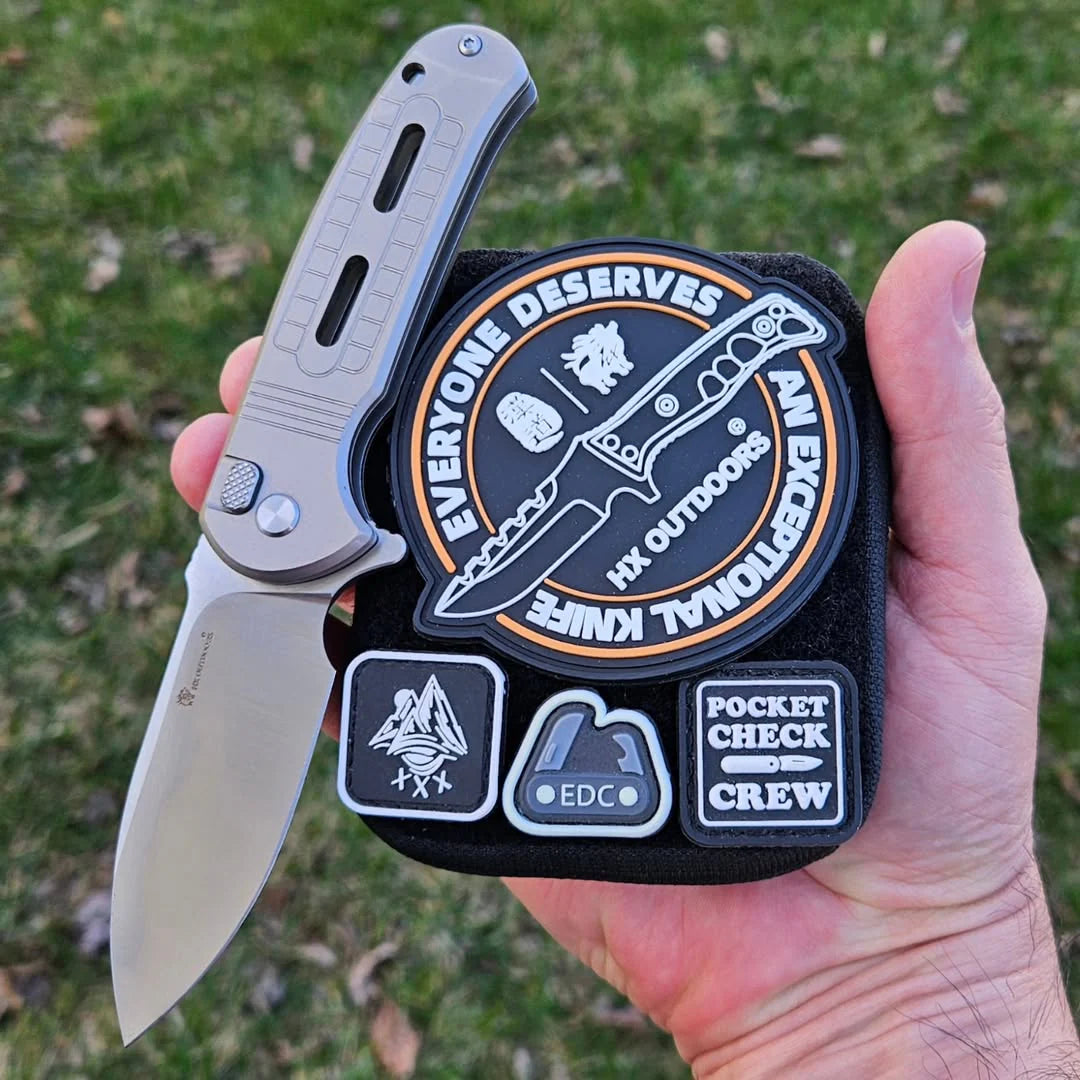
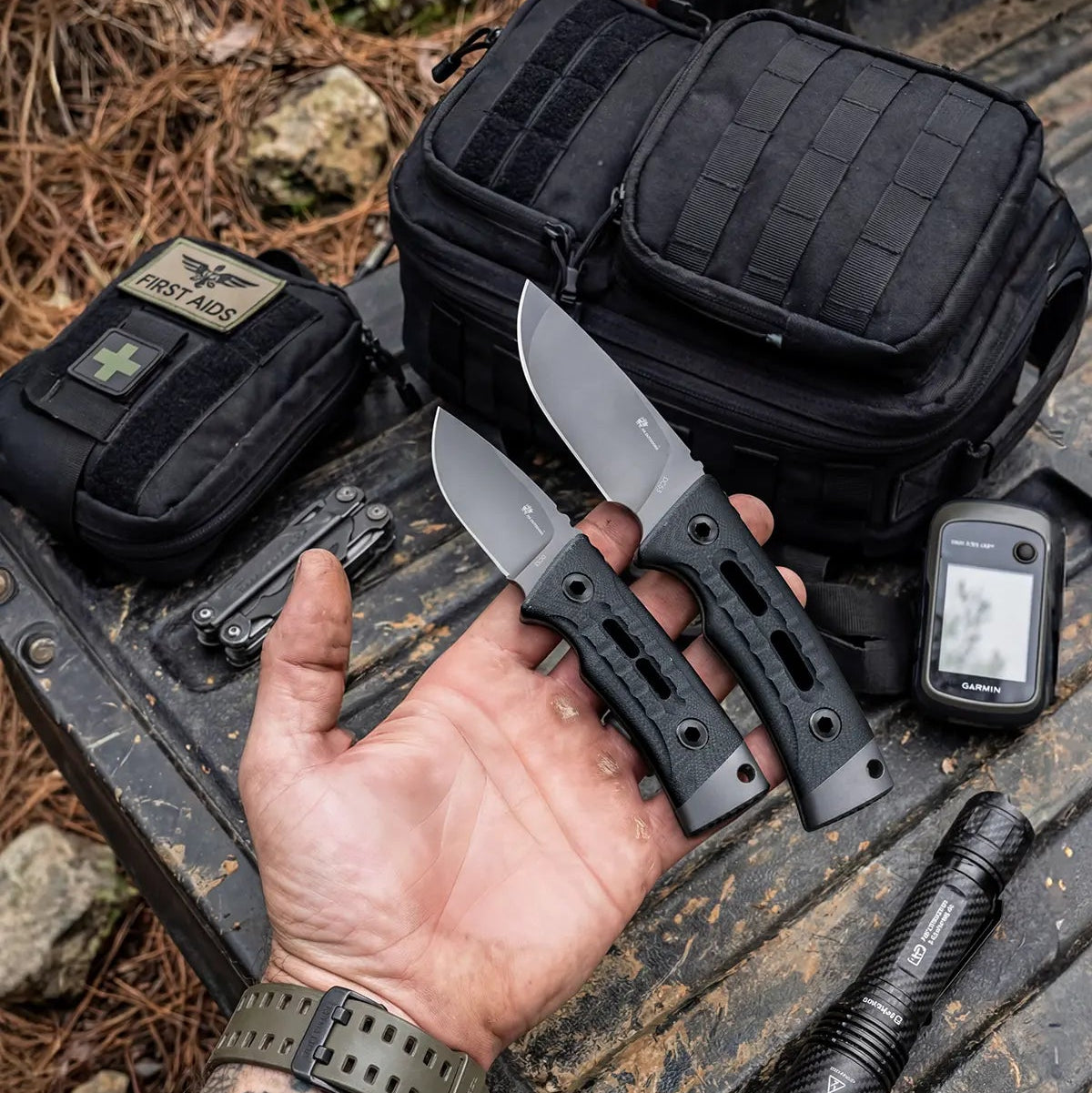
At Hx OUTDOORS, blade shape ione of the first considerations during product development. Different blade profiles are tested for specific cutting tasks, induding slicing rope, carving wood, processing cardboard, food preparation, and general outdoor use. Through both product testing and customer feedback we've found that no single blade shape is perfect for every situation. Choosing the right profile depends on how and whehe knife will actually be used, which is why our product lineup indudes everything from versatile Drop Point blades to heay-duty Tanto and Wharncliffe designs.
Blade Shapes
1. Drop Point
The spine gently arcs toward the point. The industry standard for versatility.
Strengths: Exceptional point strength; perfect balance of belly for slicing and a controlled tip.
Trade-offs: Not optimized for extreme piercing; requires technique for sharpening the belly.
2. Tanto
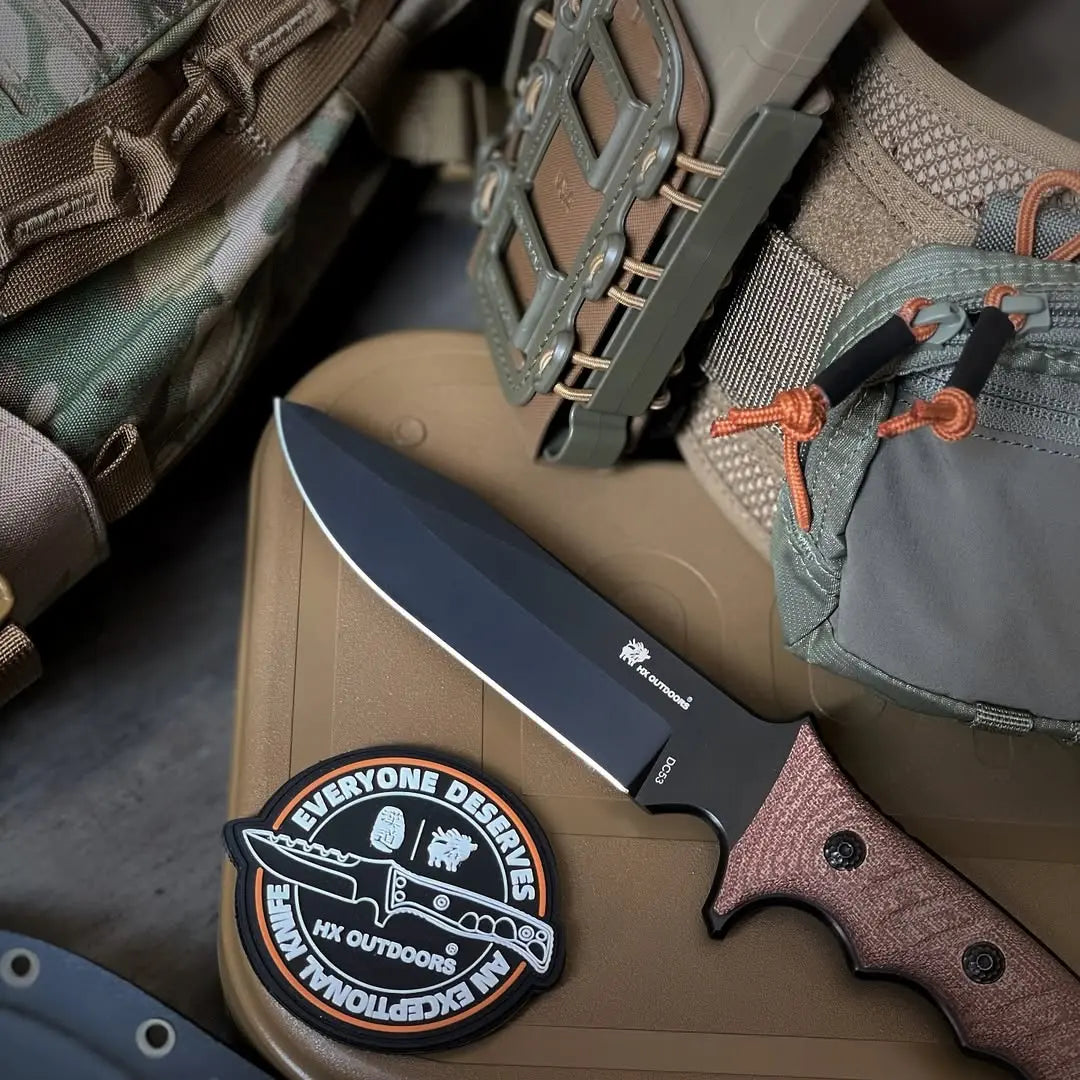
Defined by a secondary point and an angular grind. Built for high-impact use.
Strengths: Superior tip durability for piercing and prying; straight edges are easy to maintain.
Trade-offs: Less efficient at draw-cuts; aggressive geometry may feel “stiff” for some tasks.
3. Sheepsfoot
A straight edge with a spine that curves down to a blunt, rounded tip.
Strengths: High control for push-cuts; safer around delicate gear; very easy to sharpen.
Trade-offs: No piercing capability; tip-heavy balance.
4. Reverse Tanto
A straight edge and spine with an abrupt “clipped” angle at the tip.
Strengths: Combines the cutting power of a straight edge with a reinforced, drop-style tip.
Trade-offs: Less belly for sweeping cuts; can feel slightly front-heavy.
5. Hawkbill
Inwardly curved edge with a needle-like tip. Designed for precision shearing.
Strengths: Aggressive material harvesting (ropes/vines); superior hooking and ripping power.
Trade-offs: Fragile tip; challenging to sharpen effectively.
6. Kukri
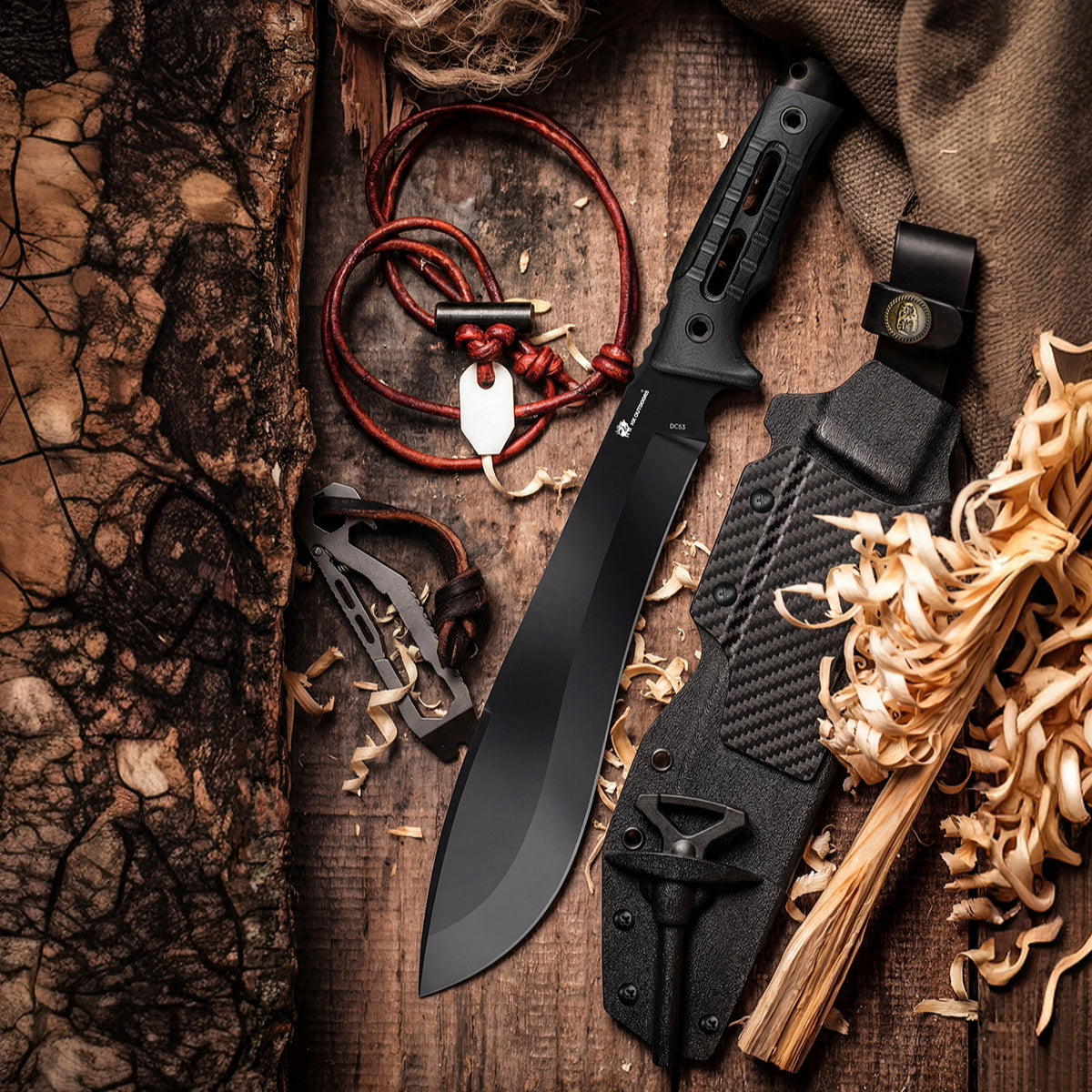
A boomerang-shaped spine with an inward-curving belly.
Strengths: Shifts weight forward for brutal chopping efficiency; deep belly excels at slicing.
Trade-offs: Heavier profile; requires patience and skill to sharpen the recurve.

7. Clip Point
The spine is “clipped” or cut away toward the tip, creating a fine point.
Strengths: Razor-sharp piercing performance; classic, functional aesthetics.
Trade-offs: The tip is finer and more prone to snapping under heavy lateral stress.
8. Dagger
Symmetrical profile with dual grinds for balanced performance.
Strengths: Optimized for penetration and piercing; balanced weight distribution.
Trade-offs: Legal restrictions in some regions; lacks a thumb-rest on the spine.
9. Spear Point
A symmetrical profile with a centered tip for maximum control.
Strengths: Symmetrical power for piercing; clean, predictable cutting lines.
Trade-offs: Tip can be delicate; visually lacks the utility of a “belly.”
10. Trailing Point
The tip rises above the spine, creating a long, sweeping edge.
Strengths: Massive belly surface area for skinning or long, clean slicing cuts.
Trade-offs: Poor piercing capability; difficult to control in high-stress environments.
11. Standard (Chef/Utility)
A classic, straightforward design prioritizing slicing efficiency.
Strengths: Excellent for everyday tasks; simple geometry is effortless to sharpen.
Trade-offs: Tip is functional but not reinforced; aesthetically minimalist.
12. Wharncliffe
A perfectly straight edge meeting a spine that drops rapidly to a sharp point.
Strengths: The ultimate tool for controlled push-cuts and detail work; easy to maintain.
Trade-offs: Lacks a belly for sweeping slices; tip requires careful use.
13. Spay/Spay Point
Long straight edge with an abrupt curve at the tip, designed for precise cutting without piercing.
Strengths: Excellent for skinning or material prep where you don’t want to damage what’s underneath.
Trade-offs: Not a tactical piercing tool; complex edge geometry to sharpen.
14. Cleaver
A rectangular, high-mass blade.
Strengths: Unrivaled chopping and hacking momentum; practically indestructible in heavy-duty tasks.
Trade-offs: No piercing point; high weight makes it unsuitable for minimalist carry.
From versatile Drop Points and tactical Tanto blades to specialized shapes like Hawkbill, Wharncliffe, and Cleaver, every knife blade style offers unique strengths and trade-offs in slicing, piercing, durability, and sharpening ease.
The best choice ultimately depends on your everyday tasks, carry preferences, and personal style. Whether you’re an EDC enthusiast, hunter, or tactical user, understanding these blade shapes helps you pick the perfect tool for the job.
Which Style Wins Your Pocket?
Still can’t decide? Let’s pit the heavy hitters against each other in the “Blade Arena” to see which one deserves the precious real estate in your pocket.
⚔️ Drop Point vs. Tanto: The All-Rounder vs. The Tactical Tank
Difference: The Drop Point is the ultimate generalist; the Tanto is the specialist built for piercing power.
Verdict: Go Drop Point for everyday slicing versatility. Choose Tanto if you need a tank-like tip for high-impact work.
🎯 Clip Point vs. Drop Point: Precision vs. Durability
Difference: The Clip Point offers a thinner, needle-like tip for fine work. The Drop Point keeps a beefier spine for maximum strength.
Verdict: Pick the Clip Point for detail and piercing. Pick the Drop Point if you’re tired of snapping tips during tough tasks.
✂️ Wharncliffe vs. Sheepsfoot: The Detail-King vs. The Safety-Pro
Difference: Both are flat-edged slicing monsters, but the Wharncliffe has a sharp, surgical point, while the Sheepsfoot features a blunt, safe tip.
Verdict: Need to carve or cut with surgical precision? Wharncliffe. Worried about accidentally stabbing your gear (or yourself) on the job? Sheepsfoot is the move.
Now it’s your turn — which blade shape speaks to you the most? Feel free to tell me in the comments!
Q&A (Frequently Asked Questions)
Q1: Which blade shape is best for everyday carry (EDC)?
A: Drop Point, Wharncliffe, and Reverse Tanto are the most popular choices. They offer a great balance of versatility, ease of sharpening, and portability.
Q2: Which blade shapes are best for tactical or self-defense use?
A: Tanto, Hawkbill, and Dagger stand out. Tanto excels at piercing with a strong tip, while Hawkbill is excellent for hooking and ripping cuts.
Q3: Which blade shape should beginners choose?
A: Start with Drop Point or Standard (Chef-style). They are highly versatile, easy to sharpen, and forgiving for new users.
Q4: Does blade shape affect legality?
A: Yes. Designs like Dagger (double-edged) may be restricted in some regions. Always check local laws before purchasing.
Q5: How do you maintain different blade shapes?
A: Straight edges (Wharncliffe, Tanto) are easiest to sharpen. Recurved or curved blades (Hawkbill, Kukri) may require specialized tools or techniques. Regular cleaning and oiling will extend the life of any knife.
Q6: Which is more important — blade shape or steel material?
A: Both matter. Shape determines primary use and performance, while material (such as D2, VG-10, or CPM-S35VN) affects edge retention, toughness, and corrosion resistance.
Ready to upgrade your gear?
Visit HX Outdoors for high-quality knives and premium tactical equipment: https://www.hxoutdoors.com/

Laisser un commentaire
Tous les commentaires sont modérés avant d'être publiés.
Ce site est protégé par hCaptcha, et la Politique de confidentialité et les Conditions de service de hCaptcha s’appliquent.