



![[Exhibition Mystery Box] Shovel Edition - Display Sample](http://www.hxoutdoors.com/cdn/shop/files/8_d9080f6d-2af4-41f4-9361-46d53572e868.jpg?v=1787622405&width=104)
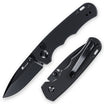

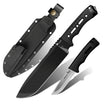
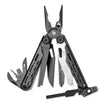
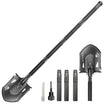


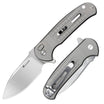
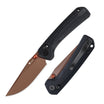
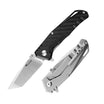


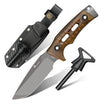
When the temperature hits triple digits on a remote desert trail or deep in the backcountry, the margin for gear failure completely disappears. Water is scarce, the sun is brutal, and a broken tool isn’t just an inconvenience—it’s an emergency. If you’re building a wilderness survival tool kit, the goal isn’t to carry everything. It’s to carry the right things for the conditions you’re most likely to face.
A lot of outdoor gear looks good on a shelf but fails when dust, heat, and hard use collide. True wilderness readiness needs a deliberate system: a fixed blade that can handle abuse, accessories that improve visibility, and a maintenance plan that keeps everything functional.
Our Experience at HX OUTDOORS
At HX OUTDOORS, we don’t just design gear; we live the lifestyle. Our team has spent years testing prototypes in diverse environments—from humid, salt-sprayed coastlines to the arid, sun-scorched backcountry. We’ve learned that the “perfect” knife isn’t a one-size-fits-all solution; it is a balance of metallurgy, geometry, and field-proven design.
By pushing our blades through real-world stress tests—batoning seasoned hardwoods, scraping fire-starters in freezing conditions, and navigating long-term corrosion trials—we have refined our manufacturing process to ensure that when you reach for an HX knife, it performs exactly as intended. We believe in providing the serious outdoorsman with tools that aren’t just reliable, but resilient enough to handle the unexpected.
A Wilderness Survival Tool Kit Starts with a Knife That Won’t Quit
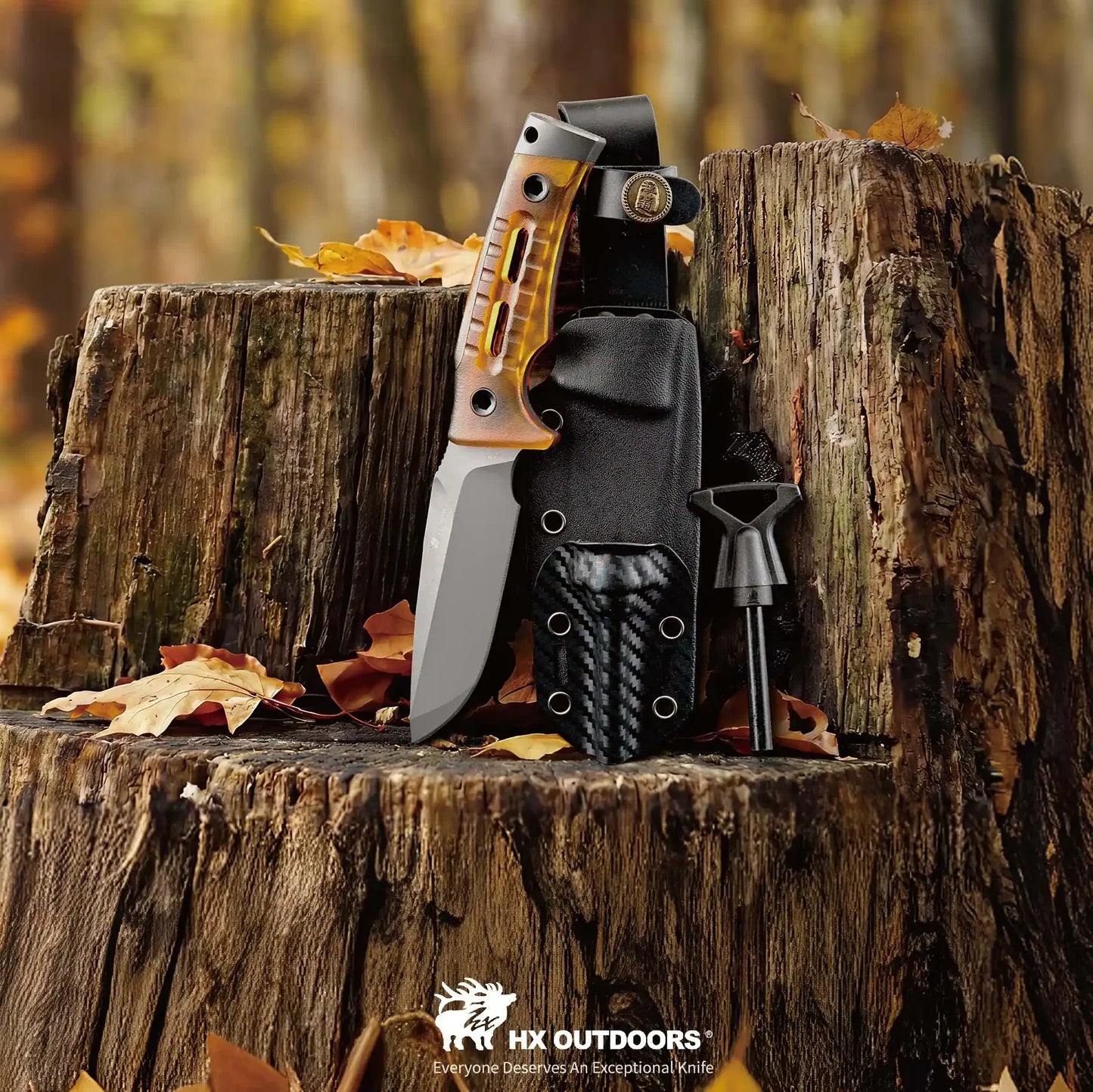
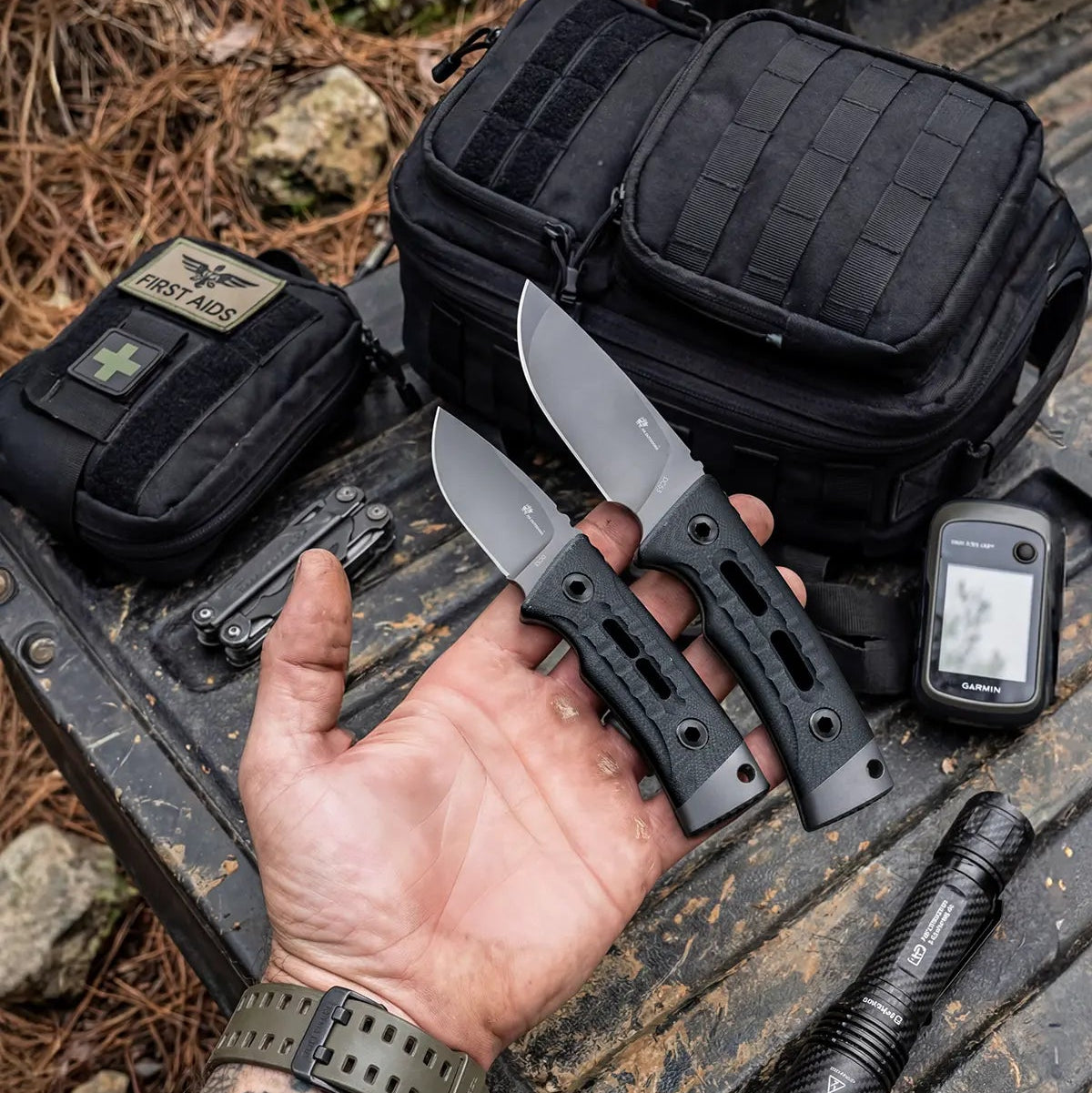
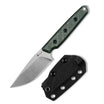
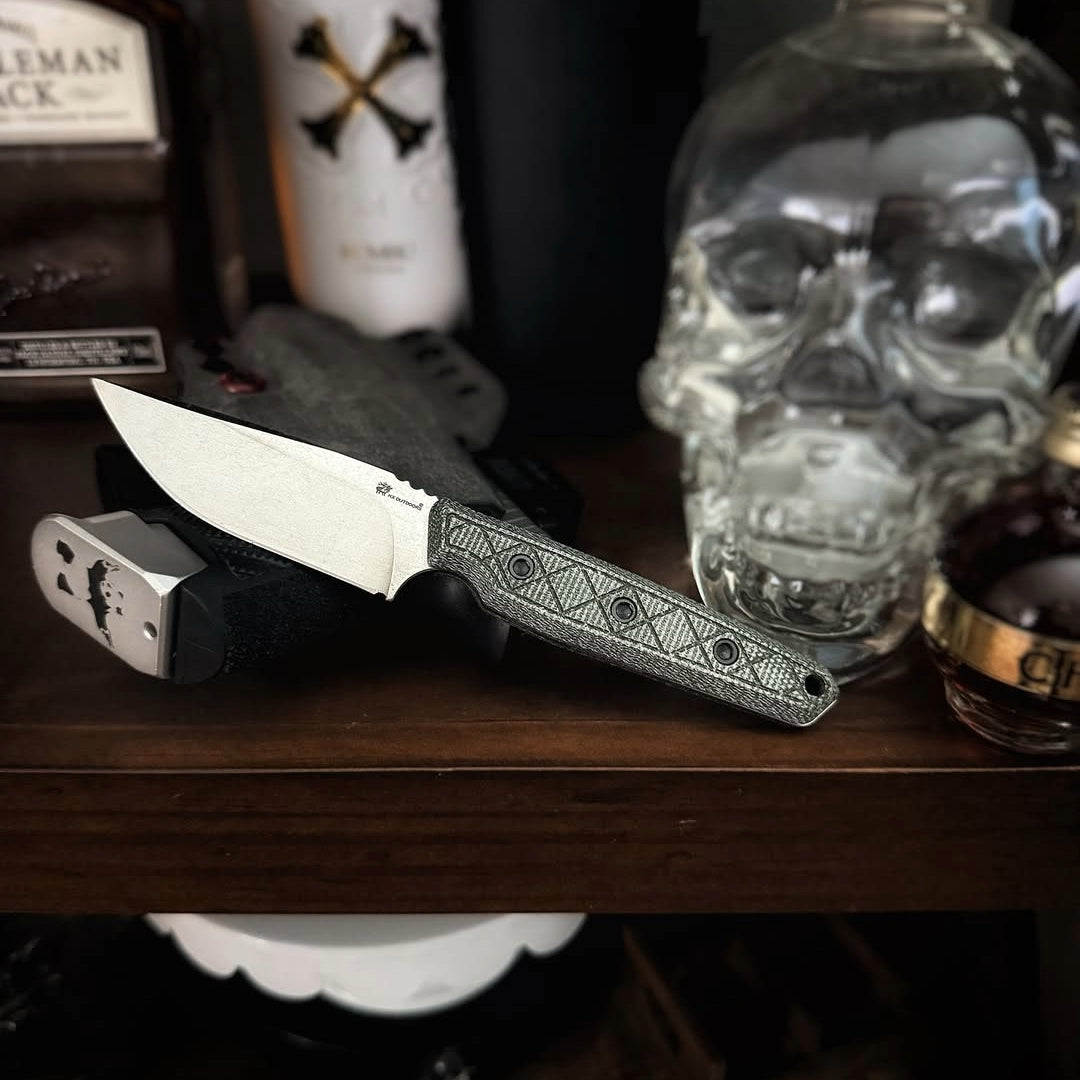
At the center of any kit is one non-negotiable item: a dependable fixed blade. A folder has its place, but a fixed blade is the heart of a survival loadout. Fixed blades lack the pivot points that clog with sand, snow, or mud. They are easier to clean, more reliable under pressure, and better suited for heavy mechanical tasks like splitting kindling or processing shelter materials.
Why Full-Tang Construction Matters
A full-tang knife has steel running through the entire handle, providing the strength needed for batoning and high-impact chores. It gives you a stable platform that doesn’t compromise under stress. Remember: use the knife as a tool for controlled impact, not a pry bar, and let the steel do the work.
Choosing Your Steel: A Quick Guide to Field Performance
Not all steel is equal. In the wild, your choice dictates whether you’re working with your blade or struggling against it. Here is how common materials stack up:
14C28N (The Low-Maintenance Hero):
Exceptional corrosion resistance. It’s perfect for wet, humid, or coastal environments where rust is your biggest enemy. Easy to sharpen in the field.
D2 (The Tough Workhorse):
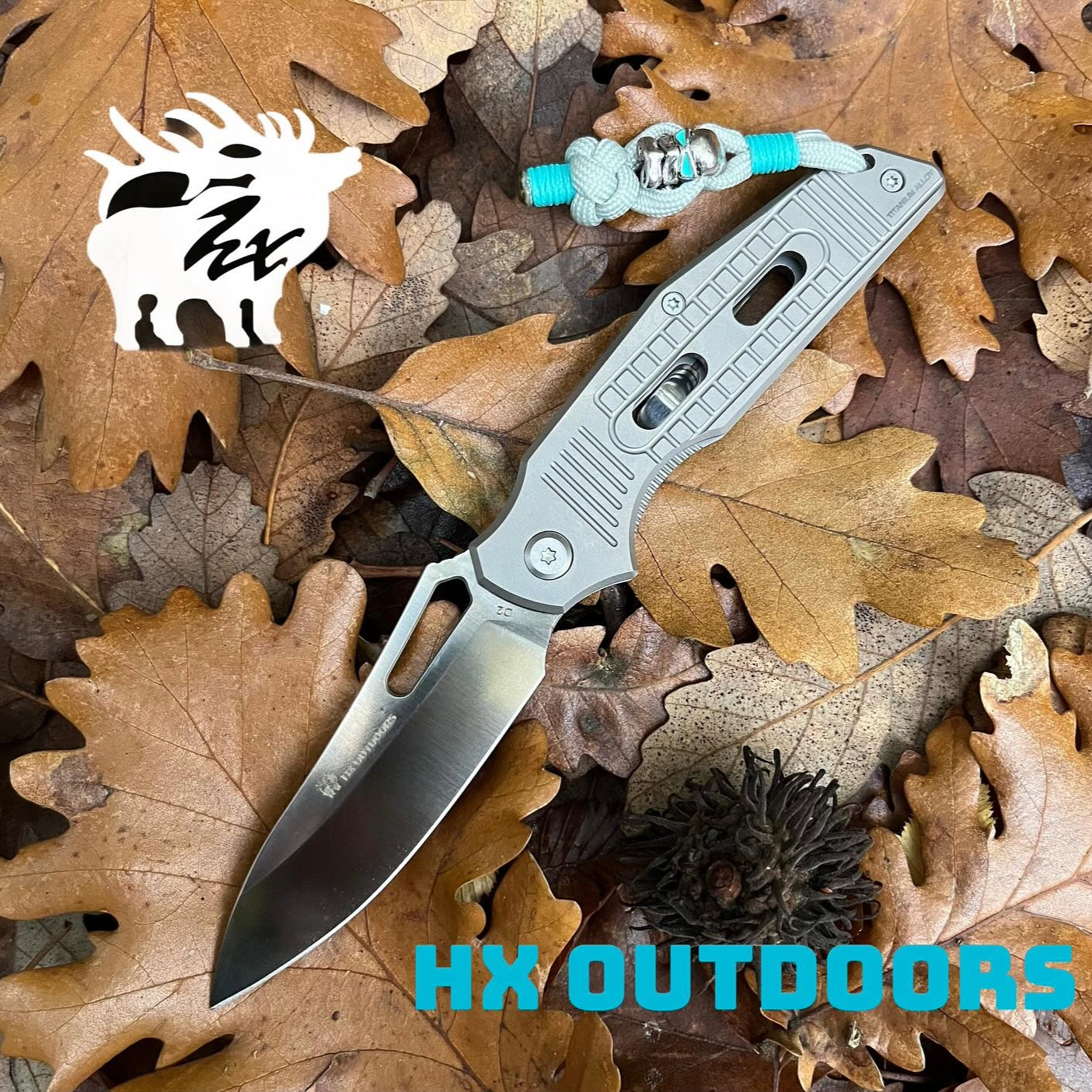
A high-carbon powerhouse with great edge retention. It’s ideal for heavy tasks like batoning, but it is “semi-stainless,” so keep it clean and oiled to prevent surface rust.
DC53 (The Tough-Guy Specialist):
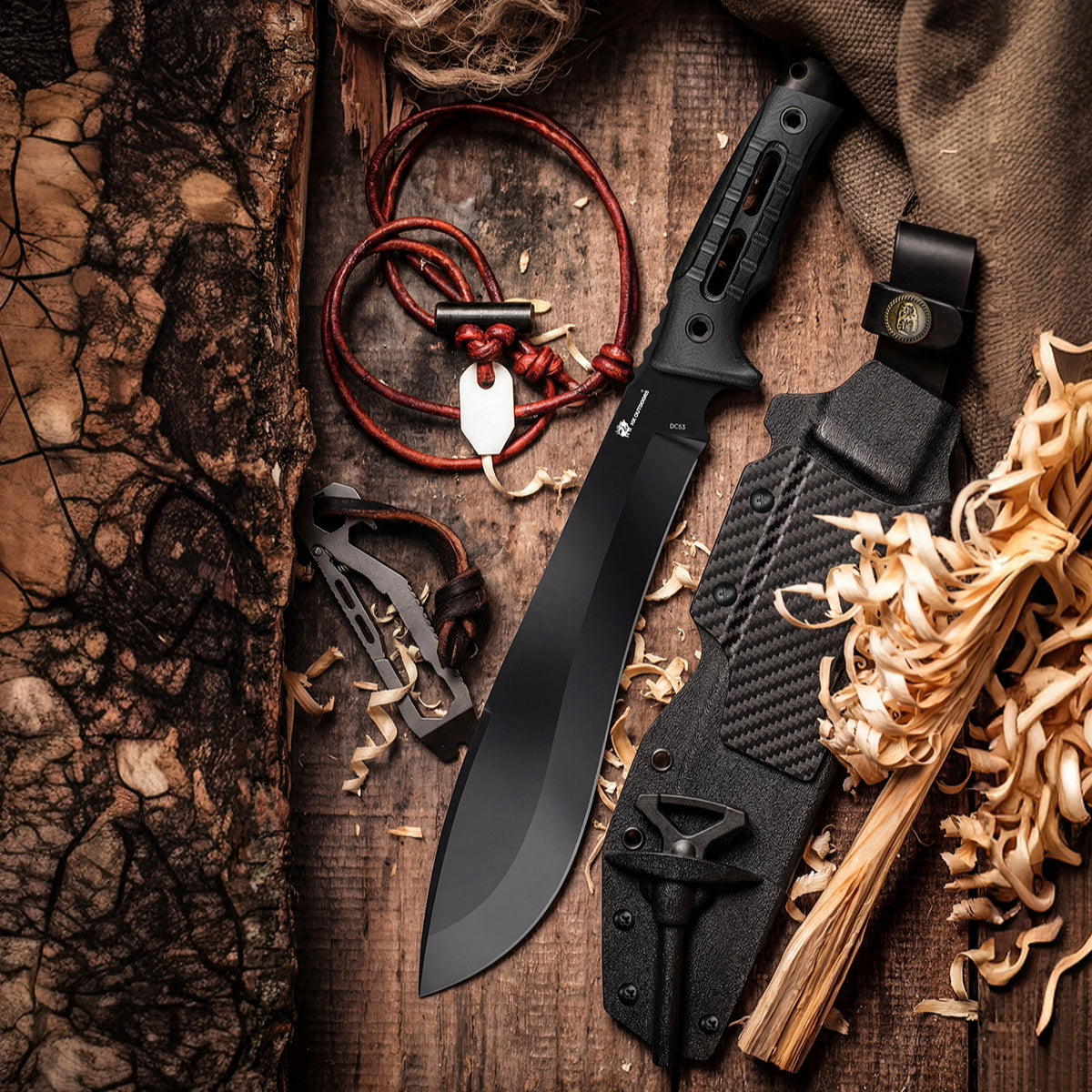
An evolution of D2 with superior impact toughness. It’s highly resistant to edge-chipping, making it the go-to for rigorous bushcraft and heavy camp chores.
Choose 14C28N for wet climates, and D2 or DC53 for raw heavy-duty strength.
Choose the Right Knife Handle for a Wilderness Survival Tool Kit
In an emergency, usability under stress matters more than stealth. Mid-summer wilderness gear should favor high visibility and high traction.
High-Visibility Scales: Using orange or neon-colored handles ensures you can spot your knife instantly in brush or leaf litter. It’s a simple risk-reduction strategy.
Canvas Micarta: This material is a favorite because it stays grippy when wet, sweaty, or dirty. It offers the traction needed to ensure control during long, repetitive tasks.

Fire, Maintenance, and Redundancy
A survival kit is a system, not just a blade. You need the tools to keep your system running:
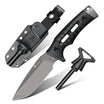
1. 90-Degree Spine: Always pair your knife with a ferro rod. A squared-off spine allows you to shower sparks without dulling your primary cutting edge.
2. Field Sharpening: Don’t wait until the edge is trashed. Carry a compact sharpener or strop to touch up your blade before tasks become difficult.
3. Organization: Use a roll or dedicated storage to keep your tools protected. A disorganized kit is a recipe for lost gear and broken edges.
The Best Survival Kits Are Built Before the Emergency Starts
The real difference between a decent kit and a great one is thoughtfulness. Don’t chase the most aggressive-looking gear; build a system that reflects the reality of your environment. Start with a full-tang fixed blade, choose a steel that fits your climate, and prioritize high-visibility, high-traction components. 
Frequently Asked Questions (Q&A)
Q1: How often should I oil my carbon steel knife?
A1: If you are using D2 or DC53 steel, we recommend wiping the blade with a light coat of food-safe mineral oil after every trip, or immediately if the knife gets wet. This creates a barrier against oxidation.
Q2: Can I use my fixed blade to split very thick logs?
A2: While full-tang knives are designed for batoning, please use common sense. Avoid prying or twisting the blade inside the wood, as this exerts lateral pressure that even the best steel cannot withstand.
Q3: What is the best way to sharpen my blade in the woods?
A3: A compact diamond hone or a simple pull-through field sharpener is sufficient to maintain your edge. Keep it consistent—touching up the blade before it gets dull is much faster than repairing a rolled edge.
Survival isn’t about luck. It’s about giving yourself tools that don’t flinch when the day gets hard. HX OUTDOORS is here to help you get the job done right. You can explore our full range of survival knives and outdoor tools at our official website: https://www.hxoutdoors.com/

Laisser un commentaire
Tous les commentaires sont modérés avant d'être publiés.
Ce site est protégé par hCaptcha, et la Politique de confidentialité et les Conditions de service de hCaptcha s’appliquent.