




Why You Need Micarta in Your Pocket
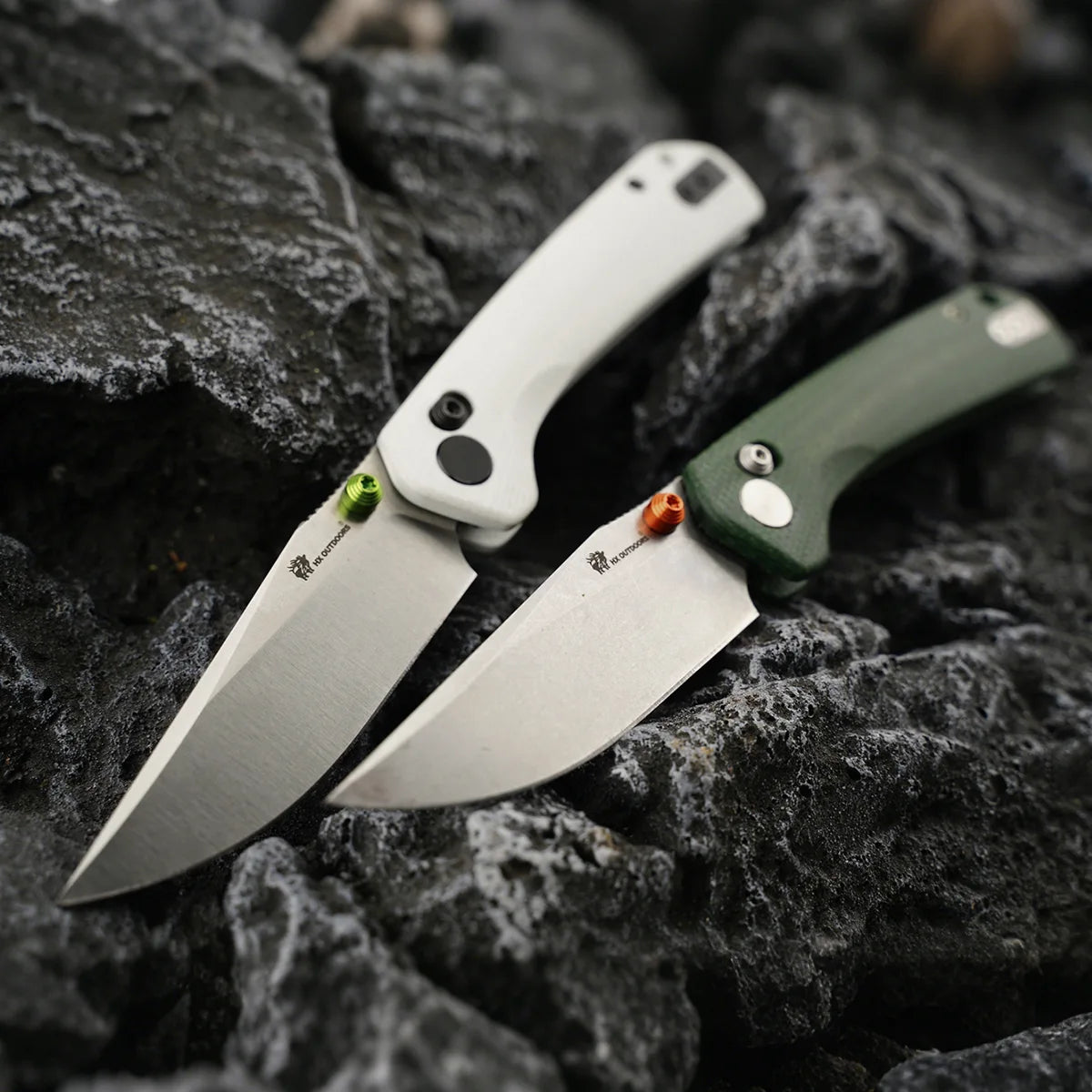
There’s one humble material that flies completely under the radar for most people: Micarta. It’s the ‘best-kept secret’ of the knife world, and honestly, that’s a tragedy! I think it’s time we gave this legendary material the spotlight it deserves. By the time you finish this, I’m betting you’ll be itching to get your hands on a set of Micarta scales.
1. Decoding the Composite: What Exactly is Micarta?
At its simplest, Micarta is just a high-pressure laminate formed by stacking fibrous sheets and bonding them with a thermosetting resin. While the chemistry sounds like something out of a laboratory, the actual process is remarkably straightforward: think of it as multiple layers of fabric saturated in epoxy, compressed, and hardened into a solid block. 
The result? A material that feels surprisingly “organic.” It lacks the cold, sterile sensation of metal or plastic, instead offering a warm, tactile finish—often compared to the texture of fine-sanded wood or the familiar, comforting weave of well-worn denim.
Now, a quick “legal disclaimer” for the purists in the audience: Micarta is actually a registered trademark currently held by Norplex-Micarta. In the knife community, we tend to use the word like a generic term for all fabric-based laminates, but technically, anything not produced by the actual Norplex-Micarta company is just a “laminate.”
2. A Historical Detour: The Origins of Micarta
Micarta’s origin story isn't tucked away in a knifemaker's workshop; it actually dates back to the early 20th century, born from the urgent needs of the burgeoning electrical industry.
The material was developed by George Westinghouse’s engineers, who were searching for a high-performance electrical insulator—something that could handle the immense voltage of the era without failing or becoming a fire hazard. By layering paper and fabric with a phenolic resin and subjecting them to extreme pressure and heat, they created a material that was essentially “industrial plastic”—heat-resistant, non-conductive, and incredibly durable.
As the world moved into the mid-1900s, this versatile composite found its way into everything. It wasn't until later that the outdoor and custom knife communities caught on to what industrial engineers had known for decades: this material wasn’t just tough; it was comfortable, customizable, and stood up to the elements better than almost anything else.
It transitioned from a hidden electrical component to one of the most beloved materials in modern knifemaking.
3. The Performance Edge: Why Go for Micarta?
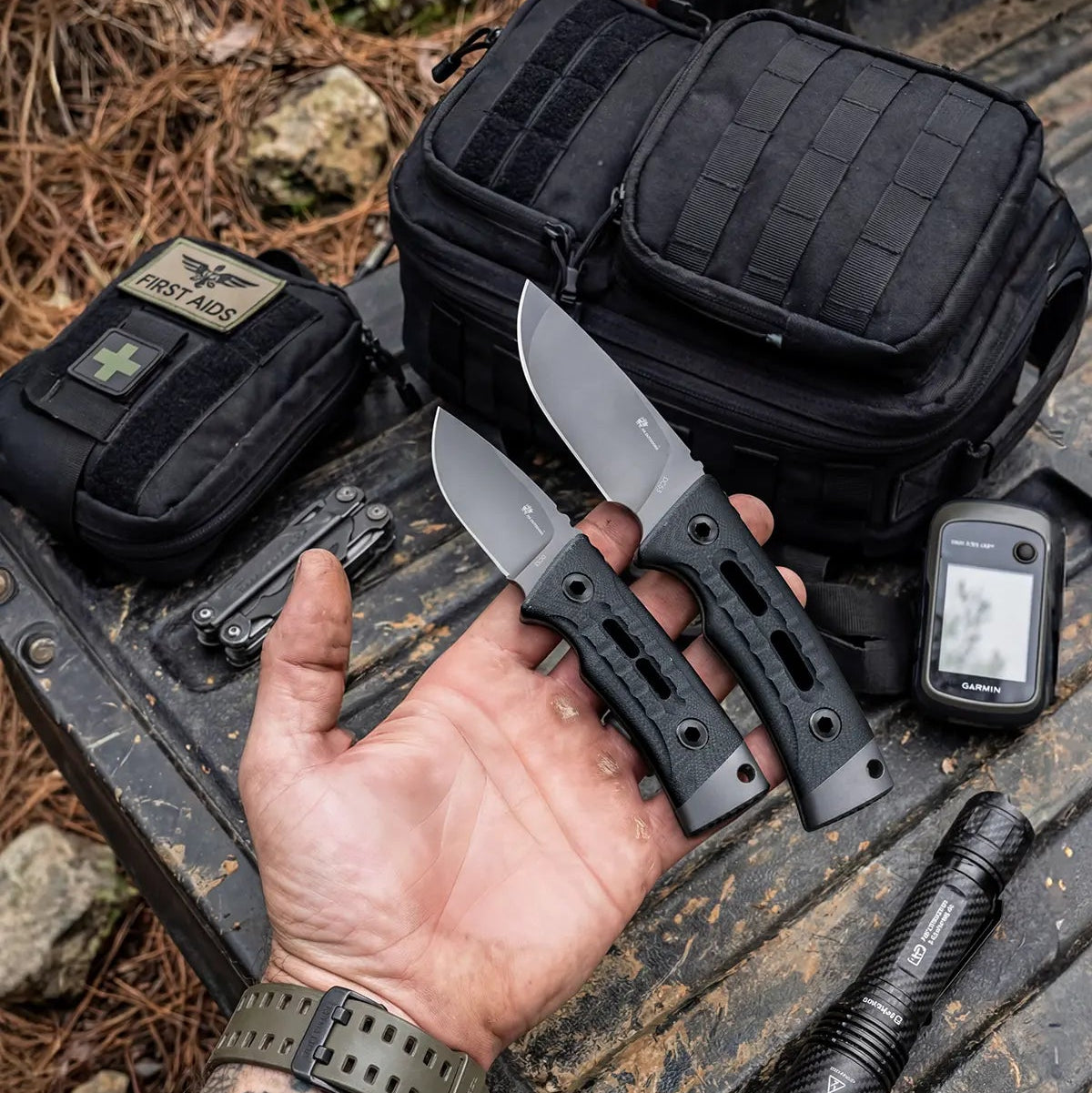
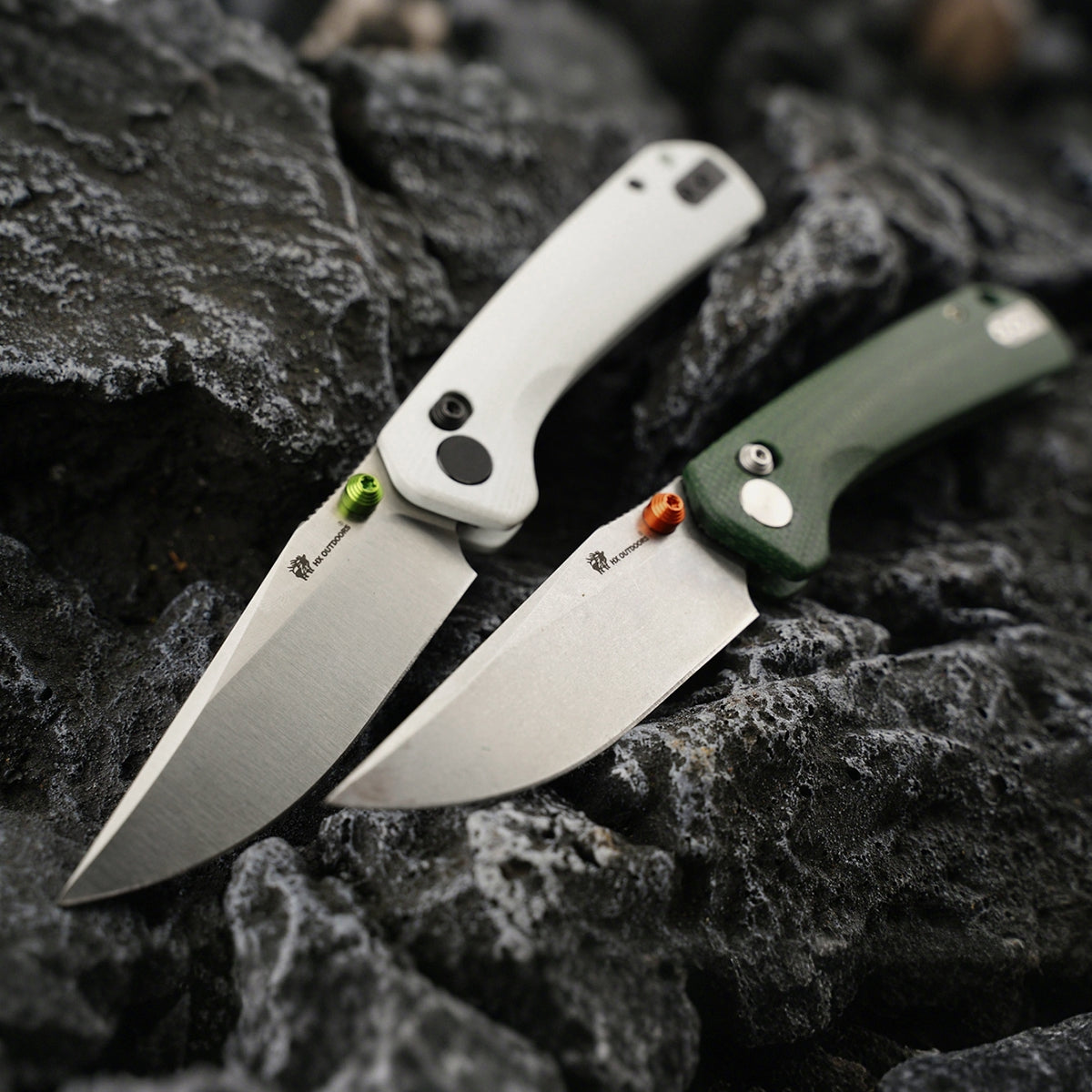
Very comfy: Its gentle texture is pleasing to touch and offers plenty of grip.
Looks awesome: The layers look like wood on a cross-section, but it takes a lovely, unique patina over time.
Loves water: Unlike metal or smooth plastic, Micarta’s fibers swell slightly when wet, making the handle even grippier!
4. Micarta vs. other handle: How Does It Stack Up?
The knife world is full of choices, and each material has its own personality. Here’s how Micarta compares to the heavy hitters:
-Micarta vs. G-10: G-10 is the “indestructible synthetic.” It's extremely tough and vibrant in color, but it can feel a bit clinical, cold, and “plasticky.” While G-10 is great for pure tactical utility, Micarta offers a warmer, more organic grip that gets better with time—it feels like an extension of your hand rather than just a tool.
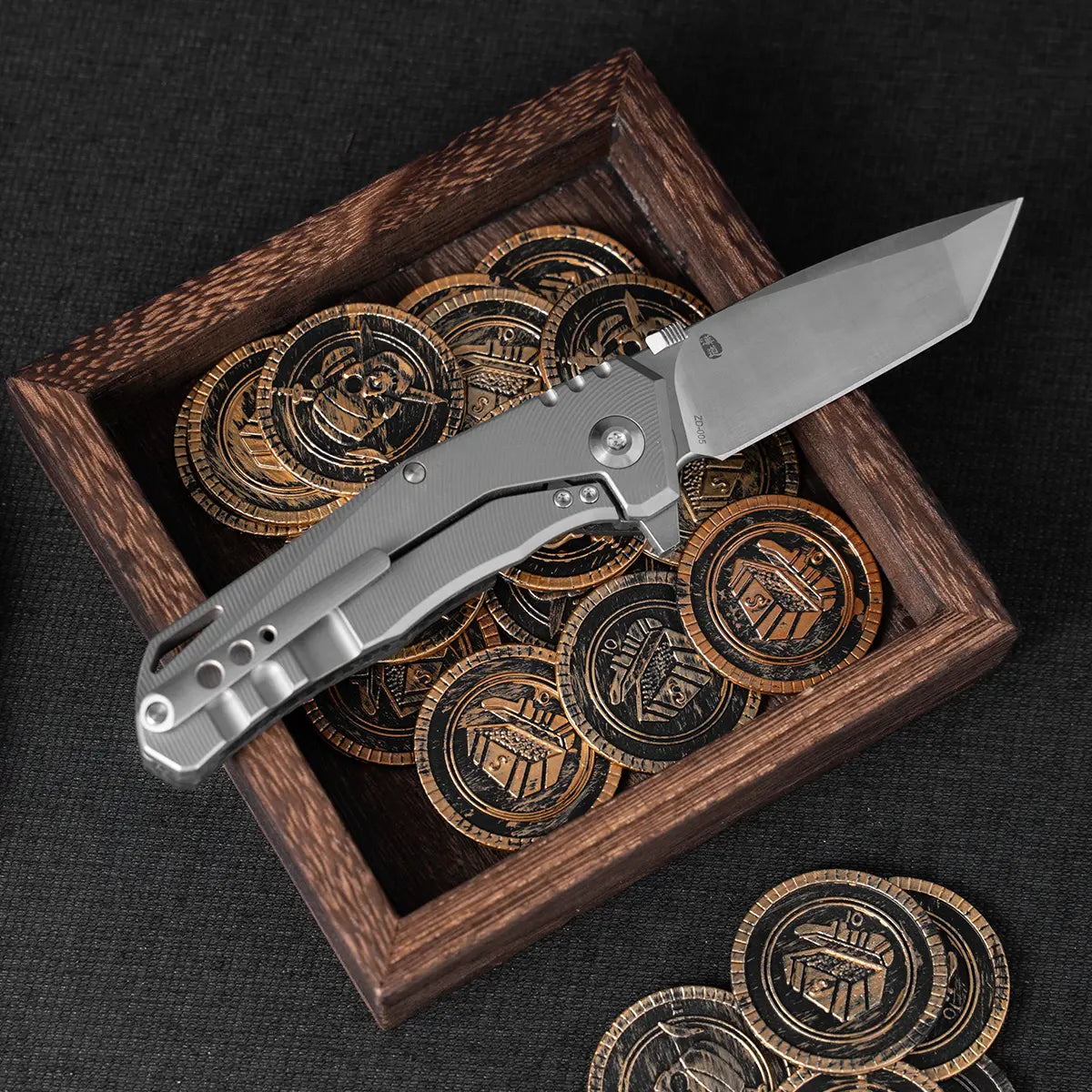
-Micarta vs. Titanium: Titanium is the gold standard for premium, high-end folders. It’s incredibly strong, lightweight, and exudes luxury. However, it’s also very smooth (slippery) and cold to the touch. Micarta is the “comfort” king; it lacks the high-tech prestige of Ti, but it offers a secure, tactile, and slip-resistant surface that Titanium simply cannot match.
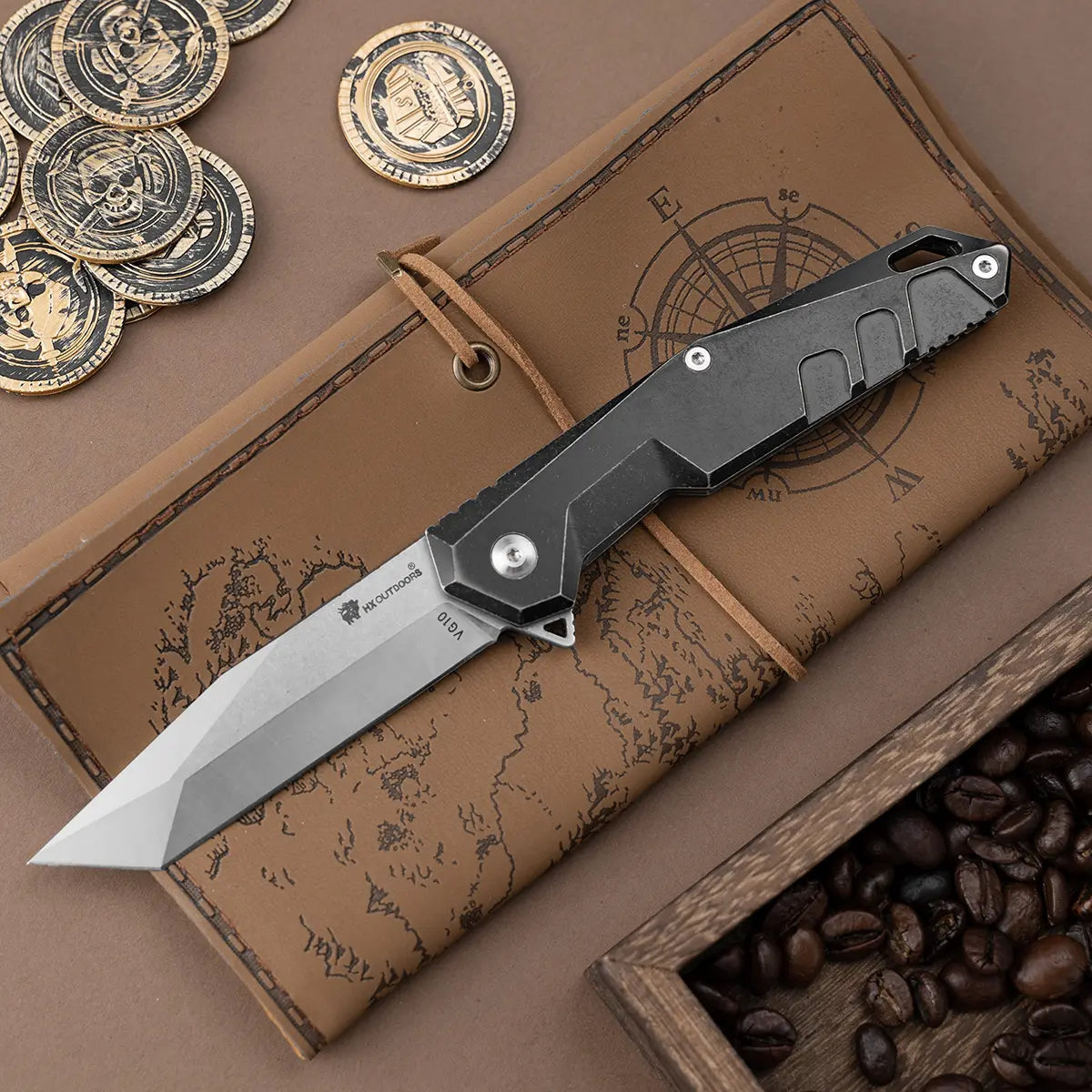
-Micarta vs. Aluminum: Aluminum is lightweight and can be machined into sleek shapes, but it’s prone to scratching and denting. It also lacks the “texture” of Micarta. While Aluminum stays cool and sleek, Micarta offers a forgiving, soft-touch finish that hides wear and tear far more gracefully.
If you want a handle that feels like a cold, high-tech machine, go with Titanium or G-10. If you want a handle that feels like a well-loved piece of gear—something that grips better when you work and develops a beautiful, unique story over time—Micarta is your best friend.
5. Keeping it Prime: Maintenance Best Practices
Micarta is a very resilient material, so you don’t need to do much.
--If your knife gets grimy or loses its vibrancy, bringing it back to life is simple. For a quick refresh, a soft toothbrush with some warm water and a drop of mild dish soap works wonders to lift out accumulated dirt. After washing, just pat it dry and let it air dry completely. --If the scales start to look a bit “thirsty” or faded, many enthusiasts like to apply a very light coat of mineral oil or a high-quality wood wax. This restores the depth of the color and gives the handle a rich, uniform look.
6. The Verdict: Is Micarta Right for Your EDC?
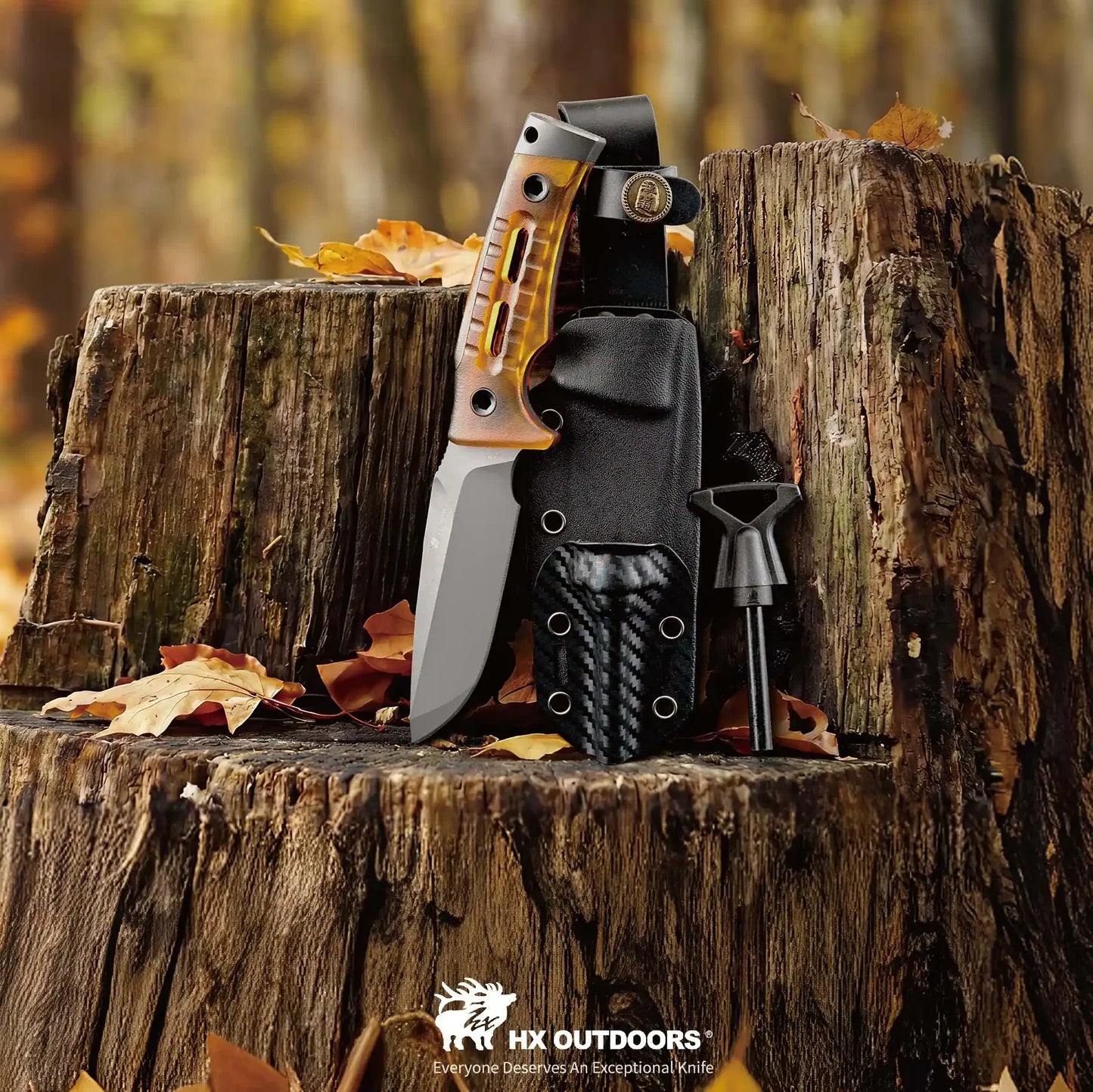
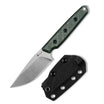
For me, I gravitate to Micarta for fixed blades and overbuilt folders where comfort is king. But even if you prefer G-10 or metal, you owe it to yourself to try Micarta.
If you’ve never felt it, try it out—I’ll bet your hand will like it!

Laisser un commentaire
Tous les commentaires sont modérés avant d'être publiés.
Ce site est protégé par hCaptcha, et la Politique de confidentialité et les Conditions de service de hCaptcha s’appliquent.