







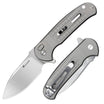
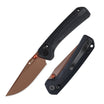
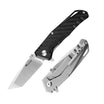


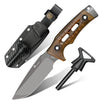
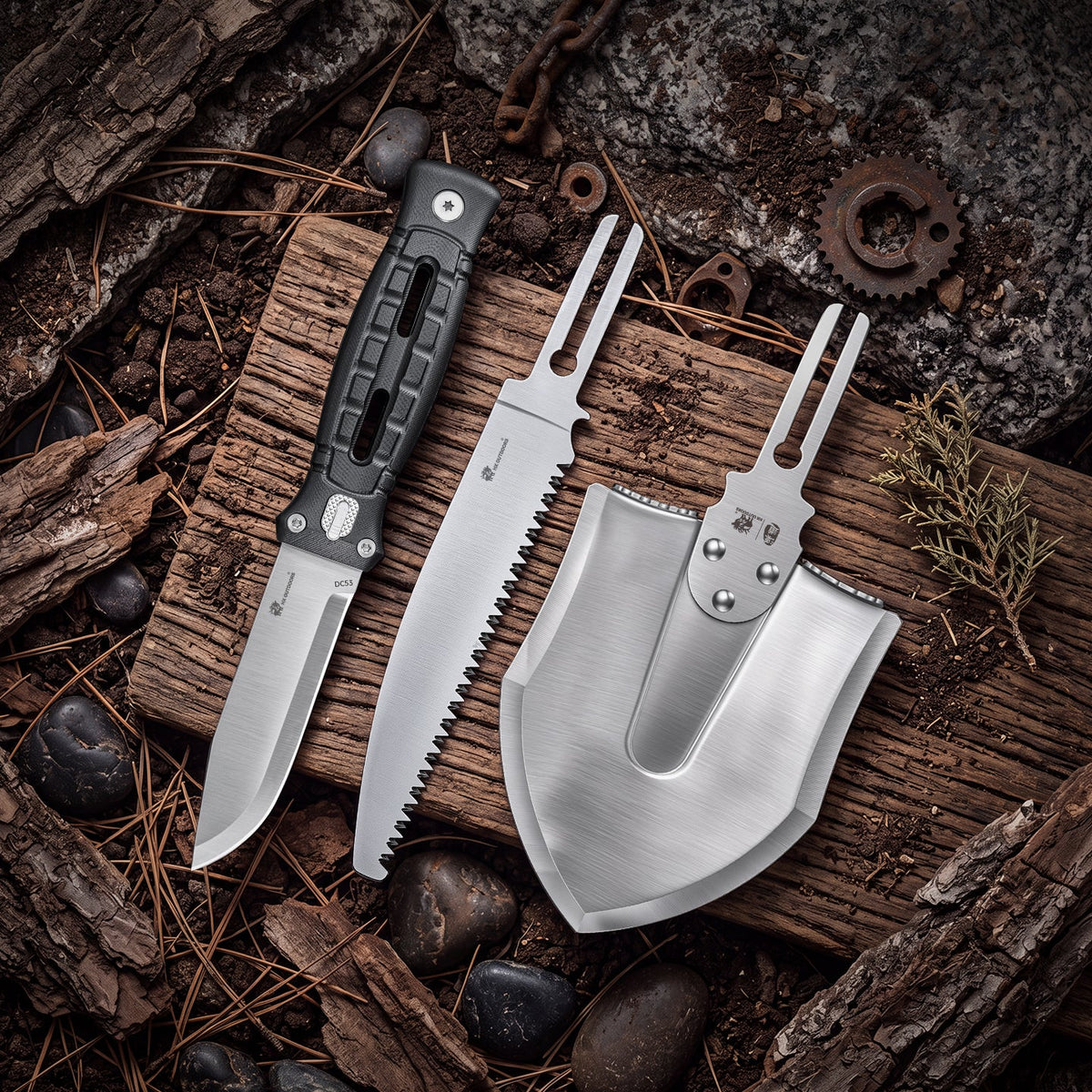
Whether you're heading into the backcountry, setting up camp, exploring the wilderness, or preparing for your next outdoor adventure, having the right gear makes a difference. From versatile outdoor knives to dependable hatchets and practical camp tools, each piece of equipment serves a purpose.
Our Experience at HX OUTDOORS
At HX OUTDOORS, we believe outdoor gear should combine thoughtful design, reliable materials, and practical functionality. In this guide, we'll explore the different types of outdoor tools, what to look for when choosing your gear, and how to keep your equipment ready for the trail.
1. Why the Right Outdoor Gear Matters
Outdoor adventures come with different challenges, and no single tool is perfect for every situation. A compact folding knife may be convenient for everyday carry, while a fixed-blade knife offers a sturdy option for many campsite tasks. A hatchet can be useful for preparing kindling, and a multitool can help handle small repairs around camp.
Choosing gear that matches your activities helps you pack more efficiently and avoid carrying unnecessary weight.
Before your next trip, consider:
-
Your activity: Camping, hiking, hunting, bushcraft, or everyday outdoor use.
-
Your environment: Weather, terrain, and available resources.
-
Your priorities: Portability, durability, versatility, and ease of maintenance.
-
Your pack space: The right combination of tools can help keep your load manageable.
The goal isn't to bring every tool you own. It's to bring the ones that fit your plans.
2. Understanding Different Types of Outdoor Knives
Outdoor knives come in a variety of designs, each suited to different tasks. Understanding their features can help you find the right fit.
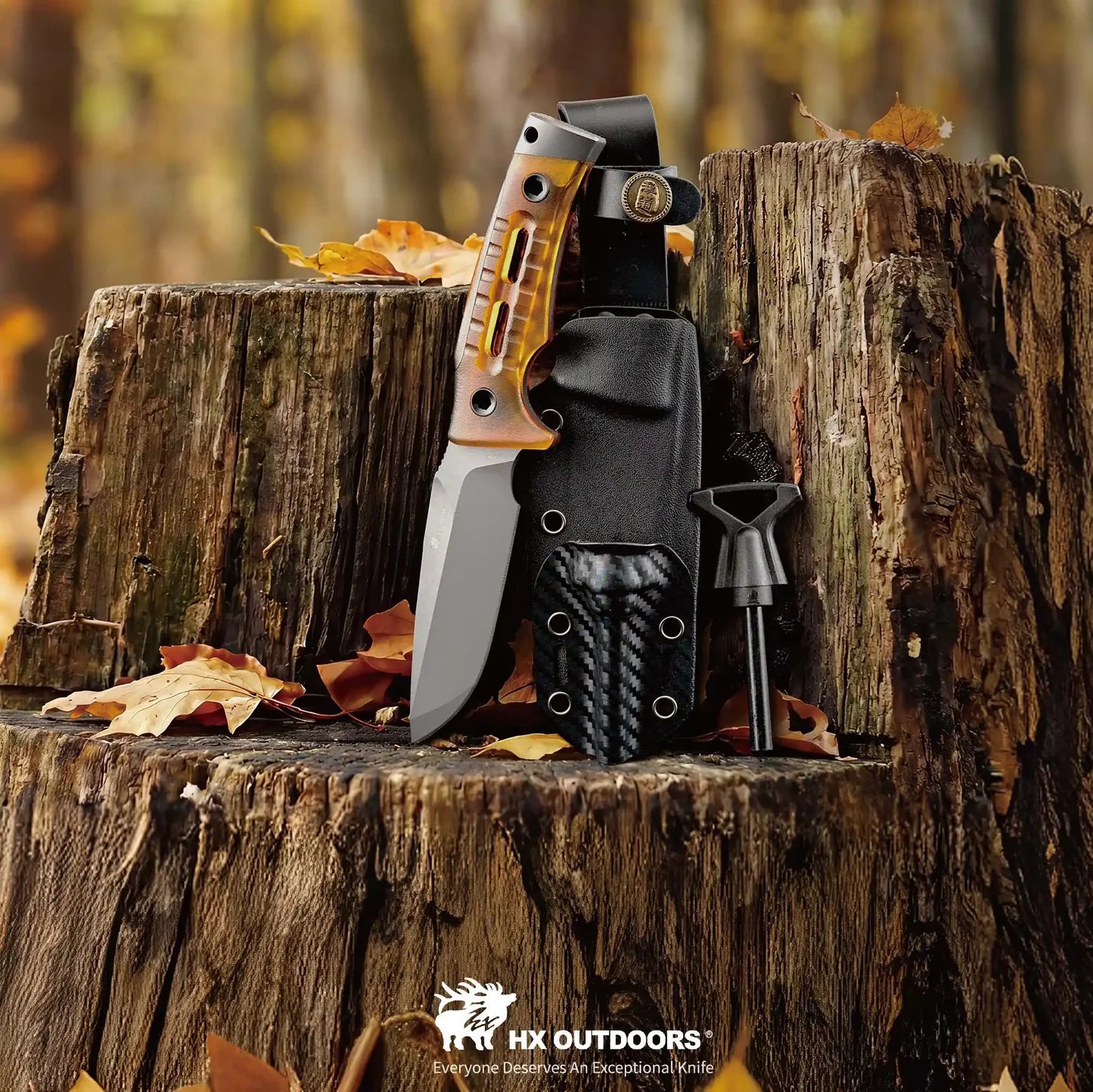
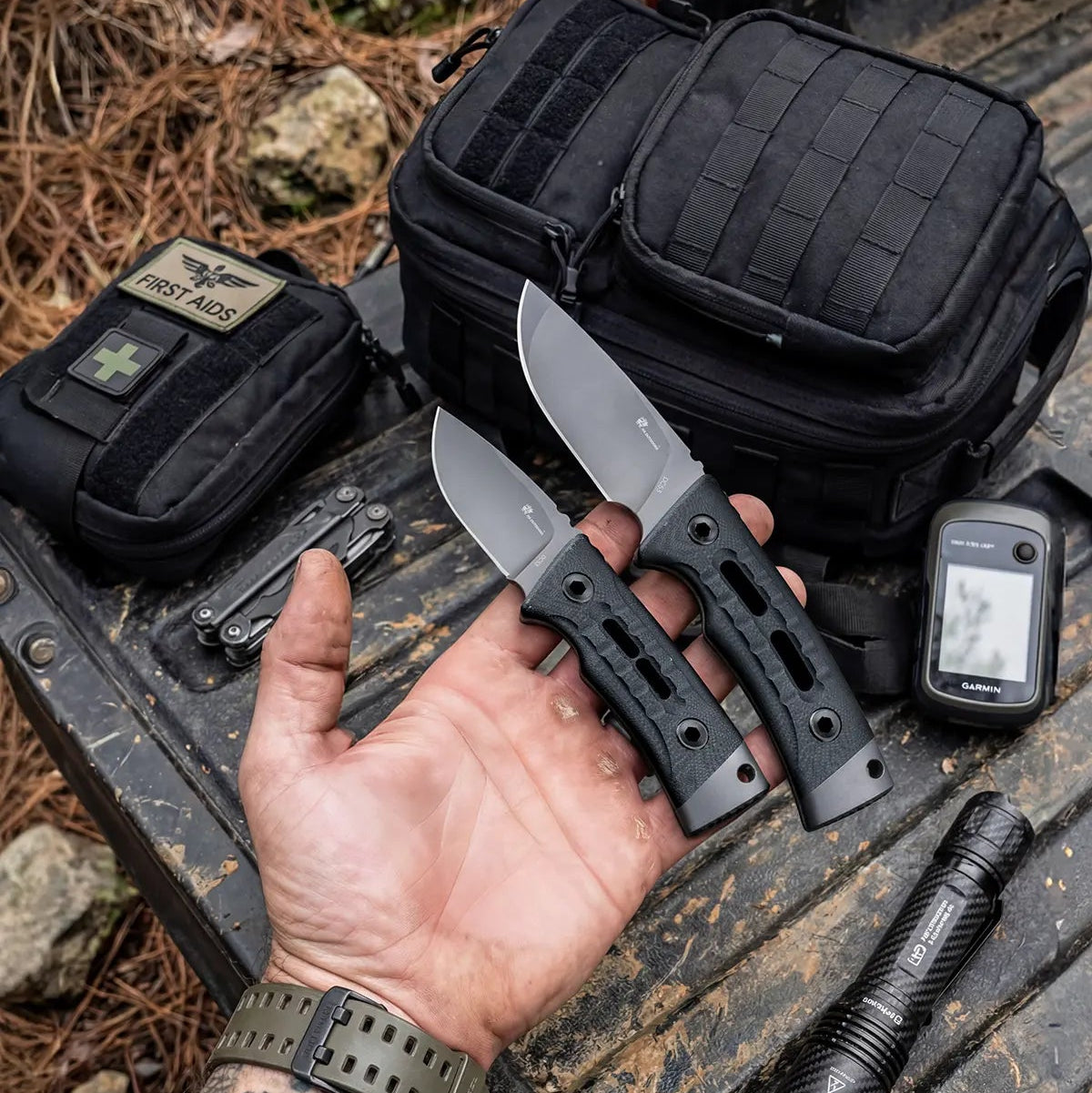
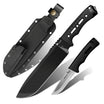
Fixed-Blade Knives: Fixed-blade knives offer a sturdy, reliable option for camping, bushcraft, and general outdoor tasks
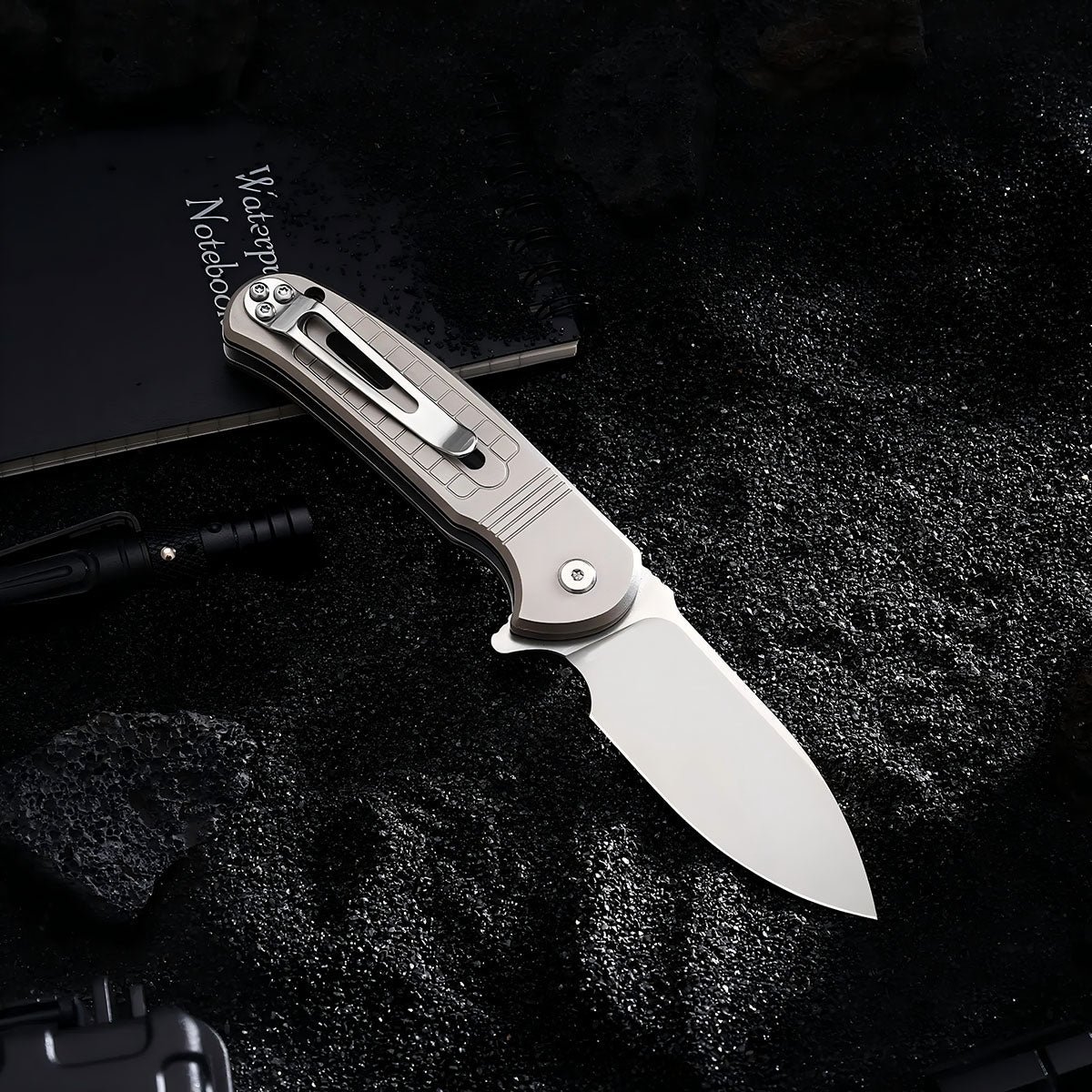
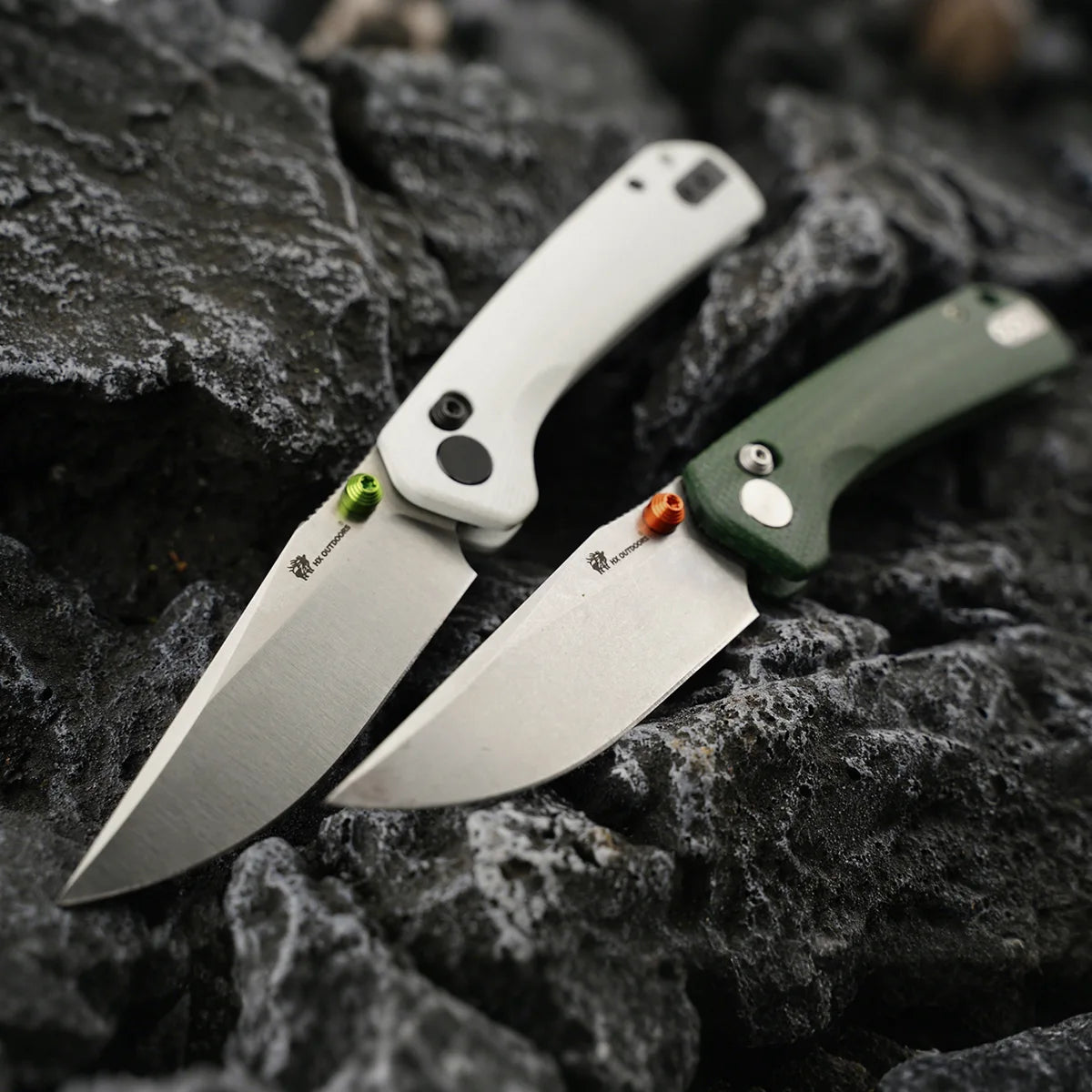
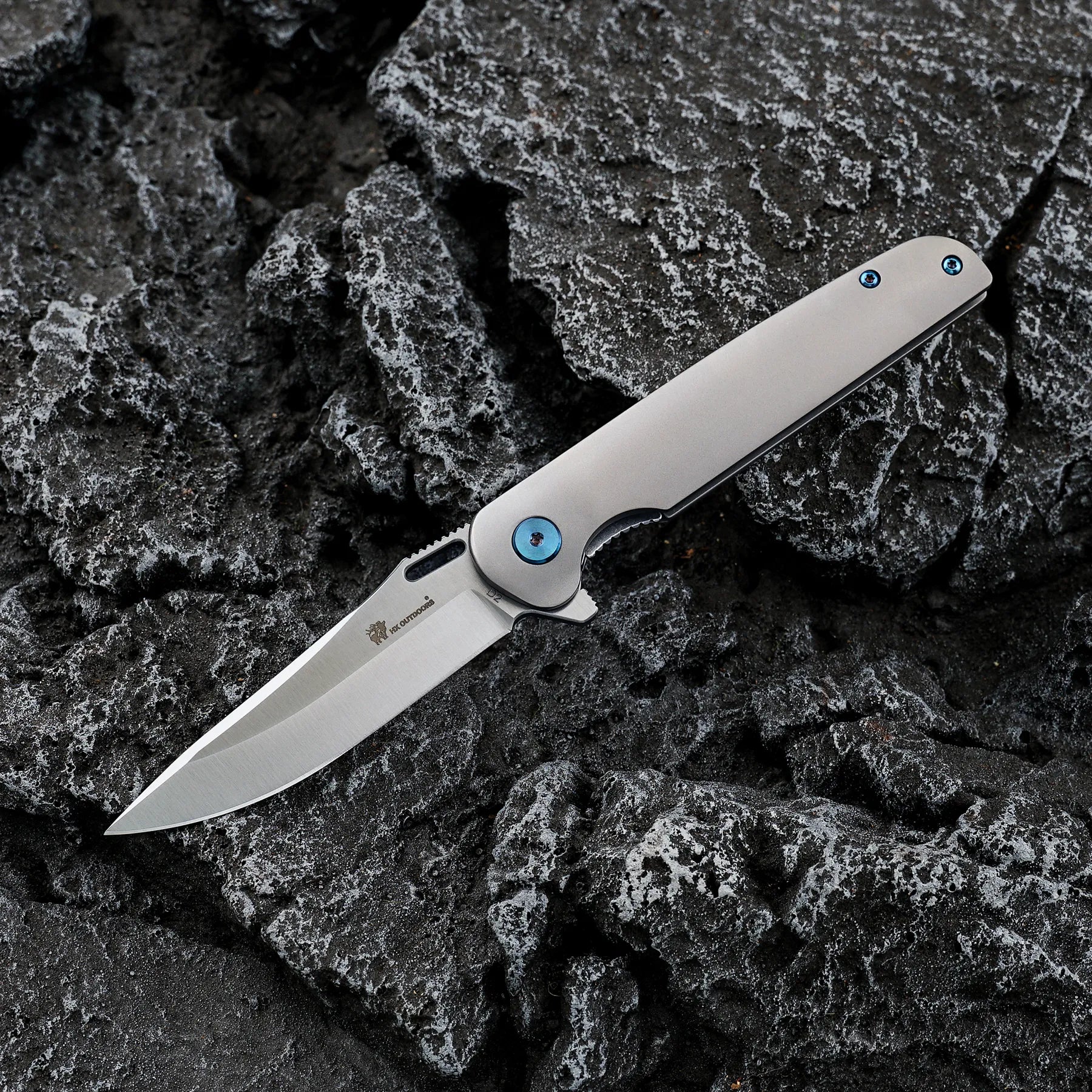
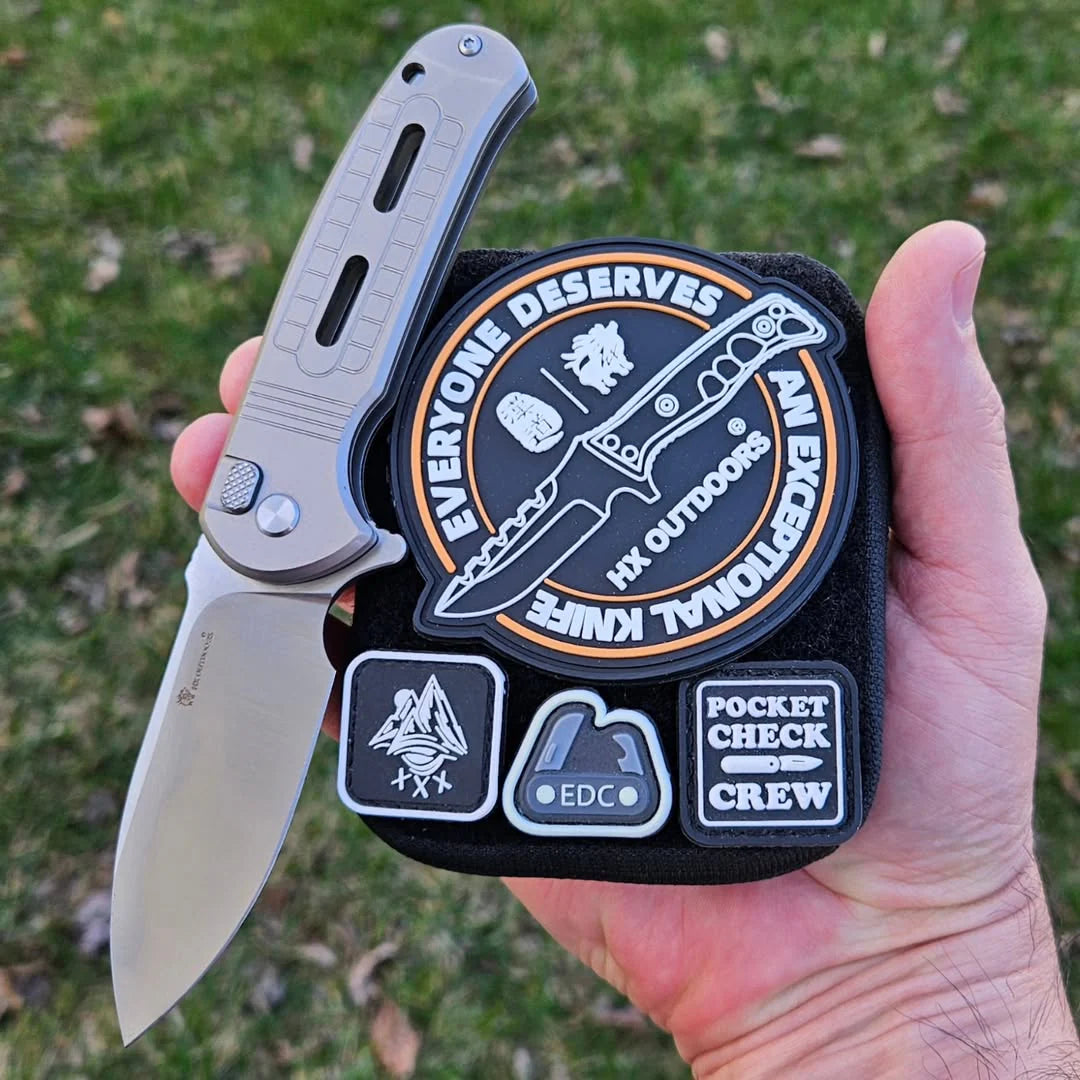
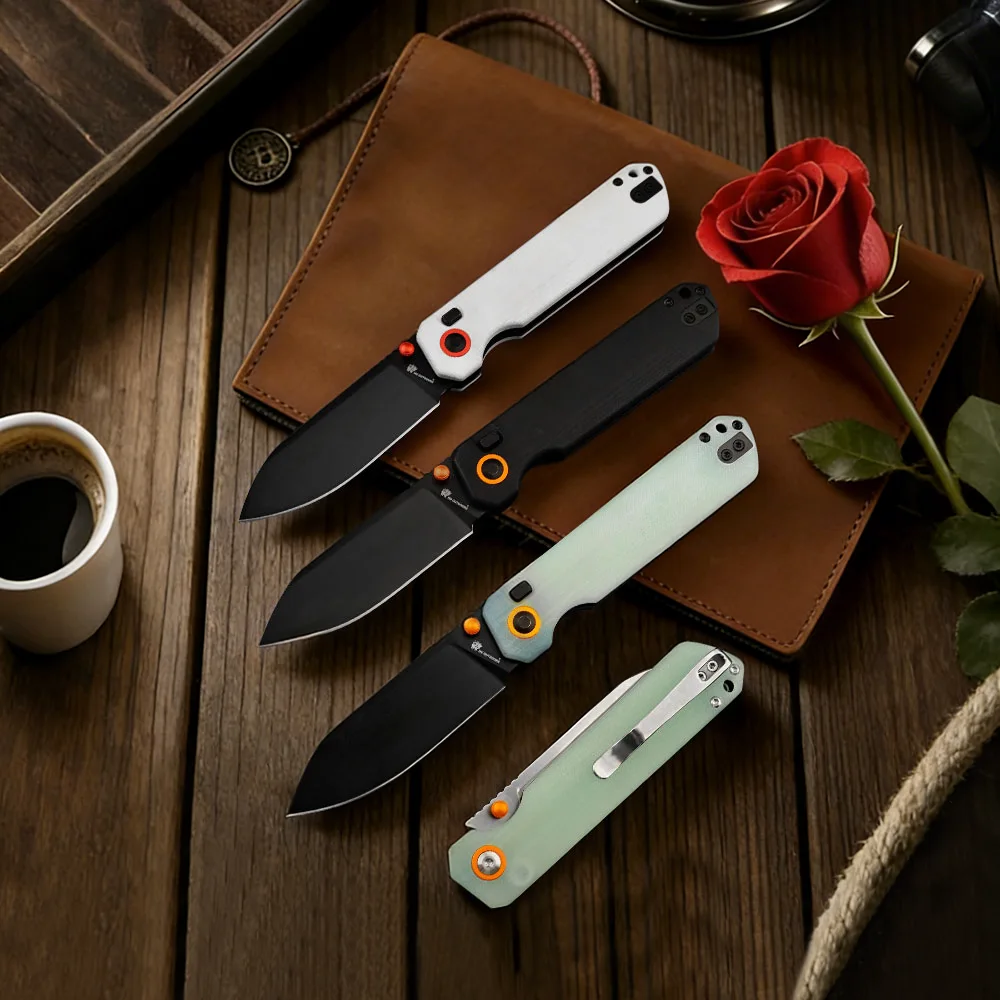
Folding Knives: Compact and convenient, folding knives are ideal for everyday carry and light outdoor task
Hunting and Field Knives: Designed for hunting and field processing, these knives prioritize practical blade shapes, control, and easy cleaning.
Specialty Outdoor Knives: Specialty knives are tailored to specific tasks, such as skinning, detailed cutting, and food preparation.
| Knife Type | Best For | What to Consider |
|---|---|---|
| Fixed-Blade Knife | Camping, bushcraft, general outdoor tasks | Blade construction, handle grip, sheath |
| Folding Knife | Everyday carry, light outdoor tasks | Locking mechanism, compactness, maintenance |
| Hunting Knife | Hunting-related field tasks | Blade shape, edge geometry, cleanability |
| Specialty Knife | Specific outdoor activities | Intended use, specialized features |
Choosing tip: Start with the tasks you perform most often. A knife that matches your actual needs is usually a better choice than one selected simply because it looks impressive.
3. Choosing the Right Blade Steel
Blade steel influences edge retention, corrosion resistance, toughness, and maintenance requirements. Different steels involve different trade-offs, so the best choice depends on your intended use.
Key Factors When Choosing Blade Steel
| Factor | What It Means | Why It Matters |
|---|---|---|
| Edge Retention | How well the blade maintains its sharpness during use | Helps reduce the frequency of sharpening |
| Corrosion Resistance | How well the steel resists rust and staining | Important in wet, humid, or coastal environments |
| Toughness | The ability to resist chipping or breaking under impact or stress | Matters for demanding outdoor tasks |
| Ease of Sharpening | How easily the edge can be restored | Useful when maintaining gear away from home |

For example, stainless steels such as 14C28N are valued for their corrosion resistance and balanced performance. Other steels may prioritize different characteristics.
No steel eliminates the need for care. Cleaning and drying your knife after use, especially in damp conditions, helps maintain its condition over time.
4. Hatchets: A Useful Addition to Your Camp Kit
A good outdoor setup often includes more than a knife. Depending on your destination and activities, a camp hatchet may also be useful.
Hatchets are compact chopping tools commonly used for preparing suitable firewood and kindling at campsites where wood collection and fires are permitted.
When selecting a hatchet, pay attention to these features:
Head Material
The head material affects durability, edge maintenance, and resistance to wear. Consider the intended use and the manufacturer's care recommendations when comparing options.
Handle Material
Wood handles offer a traditional look and natural feel, while synthetic materials may offer different benefits in grip, maintenance, and weather resistance.
Choose a handle that feels comfortable and provides a secure grip under appropriate working conditions.
Overall Length and Weight
A compact hatchet may be easier to pack, while a larger design may suit different camp tasks. Balance portability with the work you expect to perform.
Always inspect the head and handle before use, maintain a secure grip, and use a hatchet only in a clear, controlled work area. Never chop toward yourself or use a damaged tool.
Remember to check local fire restrictions and campsite rules before preparing firewood.
5. Essential Outdoor Tools Beyond Knives and Hatchets
A well-planned outdoor kit can include several complementary tools. The best selection depends on your trip rather than the number of items you can fit in your pack.
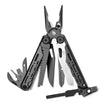
Multitools combine several functions into one compact package. Depending on the design, they may include pliers, screwdrivers, small cutting tools, and other useful features for equipment adjustments and minor repairs.
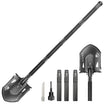
A compact camping or folding shovel can be useful for tasks such as clearing soil, digging small holes, moving loose dirt, and preparing a safe campsite where permitted. Choose a shovel with a sturdy blade, comfortable handle, secure folding mechanism, and size appropriate for your activities. Clean and dry it after use, and store it properly to help prevent rust and damage.
6. How to Choose the Right Gear for Your Adventure
Not sure where to start? Use your planned activity as the foundation for your gear selection.
For camping: Prioritize versatile tools, comfortable handling, food-preparation equipment, and practical campsite accessories.
For hiking and backpacking: Look for compact, lightweight designs that serve a clear purpose without adding unnecessary bulk.
For hunting: Choose equipment suited to the game and field-processing tasks involved, with particular attention to blade geometry, cleanability, and safe handling.
For bushcraft: Consider the specific tasks you expect to perform, the conditions you'll encounter, and the maintenance each tool requires.
For everyday carry: A compact folding knife or multitool may be a practical option, subject to local laws and applicable carry restrictions.
Before purchasing any tool, check its dimensions, weight, materials, intended applications, and care instructions. A thoughtful choice is more valuable than a long gear list.

7. Caring for Your Outdoor Tools
Proper maintenance helps preserve the performance and condition of your equipment.
Follow these basic care practices:
-
Clean after use. Remove dirt, sap, and residue using a method appropriate for the tool.
-
Dry thoroughly. Pay particular attention to joints, pivots, and other areas where moisture may remain.
-
Maintain the edge. Use a suitable sharpening method and follow the manufacturer's recommendations.
-
Inspect handles and fittings. Look for cracks, looseness, corrosion, or other signs of damage before use.
-
Store properly. Keep tools clean and dry, with blades protected in their intended storage or sheaths.
-
Use each tool as intended. Avoid prying, striking, or applying force beyond the manufacturer's recommended use.
For hatchets, inspect the head attachment and handle before each outing. Never use a tool with a loose head, cracked handle, or other damage that could compromise safe operation.
A few minutes of routine care can help your gear stay ready for the next adventure.
8. Build Your Outdoor Kit with HX OUTDOORS
Every adventure is different, and your gear should reflect that. Whether you're planning a weekend camping trip, exploring a forest trail, or building a practical outdoor kit, choosing tools that suit your needs is a great place to start.
At HX OUTDOORS, we offer a range of outdoor equipment, including fixed-blade knives, folding knives, hatchets, and other practical tools designed for outdoor enthusiasts.
Explore our collections, compare designs and materials, and find the gear that fits your next trip.
The right gear starts with the right choice. Get ready for your next adventure with HX OUTDOORS.
Before carrying or using outdoor tools, check applicable local laws, land-use regulations, and campsite rules. Always follow manufacturer instructions and appropriate safety practices.

Laisser un commentaire
Tous les commentaires sont modérés avant d'être publiés.
Ce site est protégé par hCaptcha, et la Politique de confidentialité et les Conditions de service de hCaptcha s’appliquent.